3606 E. Chapman Ave, Orange, CA 92869
Contact us: 714-743-4914
3606 E. Chapman Ave, Orange, CA 92869
Contact us: 714-743-4914

Choosing skin peels for your business means balancing client needs, staff expertise, product quality, and practical costs. The strongest formula is not automatically the best choice. A peel should fit the services you provide and the skin concerns your clients commonly discuss. Consider its ingredients, intended use, application requirements, and the supplier’s training and product documentation. Ask clear questions before ordering.
Look closely at the details. A professional treatment room may need reliable instructions, consistent supply, appropriate storage guidance, and responsive technical support. Staff should understand consultation procedures, possible reactions, aftercare, and when a client needs referral to a qualified healthcare professional. Follow the manufacturer’s directions and applicable local requirements. Small details matter.
No peel is perfect. A product that works well for one client may not suit another, and business goals should never replace careful assessment. Compare options using a written checklist, review credible product information, and seek advice from qualified skincare professionals when claims or protocols are unclear. Consider a measured trial before making a large purchase, while following the supplier’s guidance. Track feedback, comfort, and service practicality without promising specific results. This process takes time, but it can help your team make choices that are safer, more consistent, and better matched to the people you serve.
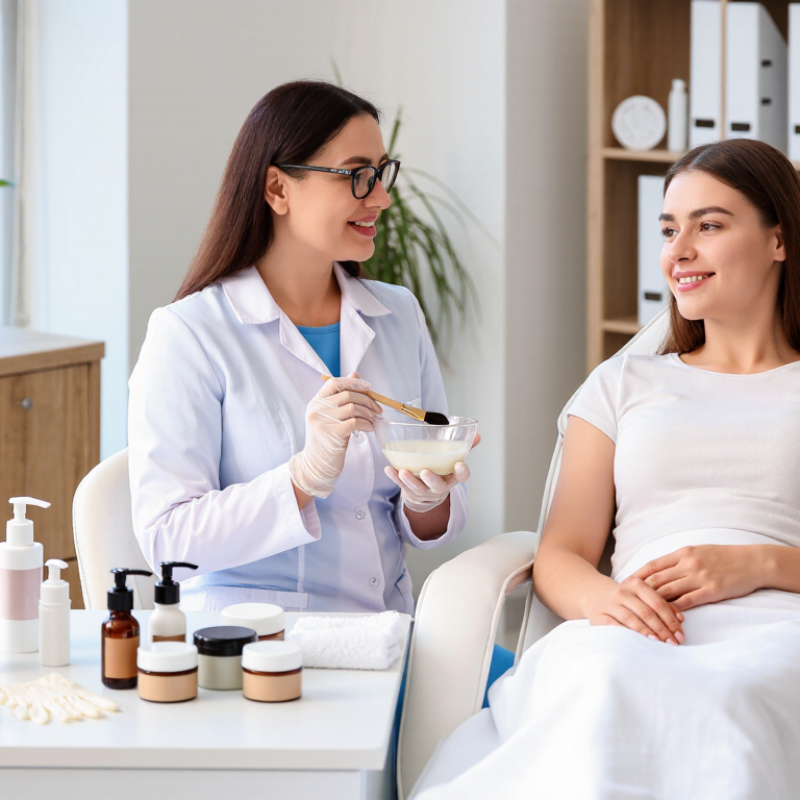
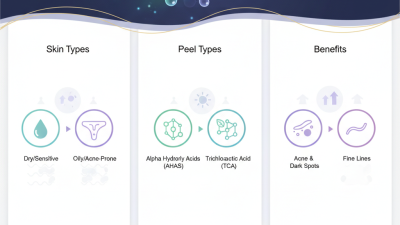
A useful peel menu starts with treatment depth, not trend appeal. Superficial peels, often using glycolic or lactic acid, target dullness and uneven tone with limited downtime. Salicylic acid is oil-soluble, making it a common option for clients with congestion-prone skin. These treatments still require careful screening and clear aftercare instructions. A client’s sensitivity matters.
Medium-depth peels, such as those using trichloroacetic acid, reach deeper layers and may address more pronounced discoloration or fine lines. They also bring greater downtime and risk, so provider training, client history, and appropriate supervision matter. Deep peels require especially careful clinical judgment and are not a routine fit for every business. “Stronger” is not automatically better.
Build your offering around the conditions you can assess, the training you hold, and realistic recovery guidance. It can be tempting to promise a glow by Friday; skin does not always cooperate.
Before selecting skin peels, define what your business can safely and consistently provide. A medical spa, dermatology practice, and boutique facial studio may serve very different needs. Check practitioner training, treatment-room capacity, consultation time, and local scope-of-practice requirements. Then describe your likely clients: their skin concerns, budget, preferred appointment length, and tolerance for visible downtime. Specifics matter. A client who needs a gentle option before a busy workweek is not the same as someone willing to plan around recovery.
Look at demand, but treat industry growth as context, not proof of local sales. Grand View Research estimated the global chemical peel market at approximately USD 2.4 billion in 2023 and projected continued growth. That is a large market. It does not tell you which treatments your neighborhood wants, or whether your team can deliver them profitably. Review existing service requests, consultation notes, and repeat-visit patterns before expanding your menu. A spreadsheet may reveal less demand than a lively social feed suggests.
Build your offering around client fit and appropriate professional assessment, rather than chasing the widest range of peel strengths. Ask about goals, previous treatments, sensitivities, and schedule constraints; refer or decline when a concern falls outside your team’s expertise. Track consultations, bookings, client feedback, and follow-up concerns. These details help you adjust responsibly. A broad menu can look impressive, but it may be the wrong first move.
Before comparing peel strength, assess whether your team can use each option safely. A peel’s depth, ingredients, and required aftercare affect client suitability and risk. Regulations vary by location and practitioner qualification. Check local licensing rules, professional scope, product labeling, and required records before purchasing. Do not assume a course certificate grants permission to perform every treatment. Paperwork matters.
Training should cover client screening, contraindications, informed consent, application technique, aftercare, and adverse-reaction procedures. Staff need supervised practice, not just a slide deck. Use realistic scenarios, such as a client arriving with irritated skin or incomplete health information. One uncomfortable truth: busy teams may rush consultations. Build in time to pause, ask questions, and decline a treatment when suitability is unclear.
Create written protocols for consultation, hygiene, incident documentation, and follow-up. Confirm who handles complications and when a client should be referred to a qualified medical professional. Keep training records and review protocols when products or local requirements change. A checklist beside the treatment station can help, though it cannot replace sound judgment.
Assessing safety, training, and regulatory requirements
Approximate recovery windows generally increase with peel depth: light, about 1–7 days; medium, about 7–14 days; and deep, about 14–21 days. Actual recovery varies by formulation, protocol, and individual. Before selecting a peel, verify that its use fits local scope-of-practice and product requirements, and ensure providers have appropriate training. These ranges are general information, not a treatment recommendation.
A professional skin peel should be judged by more than its advertised strength. Review the ingredient list, acid type, concentration, pH, and intended use together; one number cannot describe how a formula performs. Check that product labeling and technical documents are clear, consistent, and suitable for trained professional use. Details matter. If a supplier cannot explain storage needs or provide batch information, pause before ordering.
Compare the full cost, not only the price per bottle. Shipping, shelf life, minimum order sizes, training, and product that expires unused can change the real cost of each service. I would not treat a low price as proof of value; that shortcut is tempting, and sometimes wrong. Estimate how many treatments you can reasonably provide before buying larger quantities. Keep the calculation simple, then revisit it after a few months.
Supplier support matters most when a question arises. Look for accessible training, clear use guidance, ingredient documentation, and practical help with client screening and aftercare. Ask how the supplier handles product concerns and whether answers come from qualified staff. A polished sales page is not the same as useful support. Compare response times and written materials before committing, and note any gaps you still need to verify.
A reliable peel protocol begins before the client enters the treatment room. Record skin history, current products, recent procedures, sensitivities, and the client’s main concern. Ask about relevant health factors, and postpone treatment when screening raises concerns. Consent should explain expected downtime, possible irritation, aftercare, and when to seek clinical advice. Keep it specific.
Standardize the details staff can control: cleansing steps, product handling, application method, timing, removal, and aftercare. Follow the peel’s professional instructions and stay within each practitioner’s training and local scope. Do not improvise timing to chase a stronger result. A brief pause can prevent a rushed decision. Individual skin responses still vary, so document any adjustments and the reason for them.
Measure outcomes consistently, not from memory. Take consented photographs with the same lighting, distance, and angle; record baseline concerns and review them at an agreed follow-up. Note comfort, visible changes, recovery time, and any unwanted reaction. A simple rating scale can help, but it should not replace clinical judgment. If results are modest, review the assessment, protocol, and aftercare discussion before changing the treatment plan. Even a well-run process has gaps; staff should discuss them openly and update records and training accordingly.
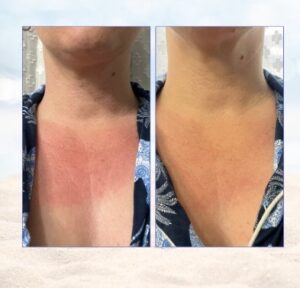
Pamper Your Sunburned Skin with this Luxurious treatment. It will leave your skin hydrated, strengthened, and less inflamed with less pain and irritation.
Book now and give your skin the care it deserves.
Schedule Your Appointment Today »
Text: 714-743-4914