2026 Top Chemical Peel Cost Guide for Global Buyers?
For global buyers, chemical peel cost is rarely a single, transparent number. A clinic may advertise a low starting price, while consultation fees, taxes, aftercare, and repeat sessions appear later. A price table can mislead.
Dr. Dendy Engelman, a board-certified dermatologist, puts the decision simply: “The best peel is the one that matches the patient’s skin and goals.” That principle matters more than chasing the cheapest offer. A superficial peel may cost less and require several visits. A medium-depth treatment may involve stronger products, longer recovery, and closer clinical supervision. Product quality, provider training, clinic location, and treatment area also change the final quote.
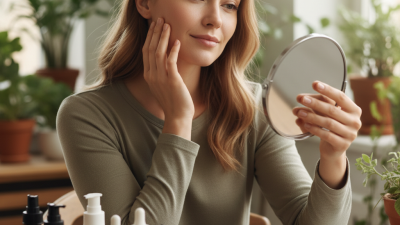
Think beyond the receipt. A buyer in London, Dubai, Singapore, or New York may compare different currencies, tax systems, and consultation models. Some clinics include a post-treatment review. Others charge separately for sunscreen, calming creams, or corrective serums. Those small items can add up beside a bathroom mirror.
Safety is part of value. A qualified provider should explain the acid type, concentration, expected peeling, downtime, skin preparation, and possible complications. They should also review medical history and current skincare use. Be cautious when a seller promises instant results or refuses to identify the treating professional.
This guide examines chemical peel cost across major markets. It also questions common pricing assumptions. Published prices are useful, but they are not the whole story. Real value depends on suitability, supervision, transparency, and realistic expectations.

Chemical Peel Costs in 2026: A Global Buyer’s Overview
Chemical Peel Costs in 2026: A Global Buyer’s Overview
Chemical peel pricing will remain highly variable in 2026. Grand View Research estimated the global chemical peel market at USD 3.08 billion in 2023. Its forecast suggested a 7.2% compound annual growth rate through 2030. The 2023 American Society of Plastic Surgeons statistics reported a US physician fee of about USD 500 for one chemical peel. That figure excludes consultation, taxes, products, and follow-up care.
A practical 2026 planning range is USD 150–600 for a light or medium professional peel. Deeper treatments may exceed USD 1,000. Country, solution strength, clinician credentials, and treatment area all affect the final quote. Urban clinics often charge more. Hospital-based care may add facility fees.
Ask for the formula.
International buyers should request ingredient concentrations, batch traceability, treatment protocols, and aftercare details. A low invoice can hide repeated sessions, translation costs, shipping, or medical review. The American Academy of Dermatology notes that results and risks depend on skin type, peel depth, and professional assessment. That matters when purchasing across borders. Published prices also vary between markets, so a global average can be misleading. I would not compare two quotations without checking what each includes. Licensed clinical supervision remains essential, especially for medium or deeper peels.
What Determines the Price of a Chemical Peel?
2026 Top Chemical Peel Cost Guide for Global Buyers
Chemical peel prices vary because treatment plans are not identical. A licensed medical professional should assess your skin, goals, sensitivity, and medical history before quoting a fee. Peel depth is a major factor. A light peel may need less preparation and recovery, while a deeper professional treatment often requires closer monitoring. Stronger does not always mean better.
The formula also affects cost. Ingredients, concentration, preparation standards, and treatment time can change the price. Clinic location matters too. Rent, staff training, local taxes, consultation fees, and currency exchange rates influence international quotes. Some providers include aftercare products and follow-up visits; others charge separately. A low advertised price may exclude these details. That can make comparisons unfair.
Tips: Request an itemized quote before booking. Ask who performs the treatment and what credentials they hold. Confirm whether consultation, aftercare, and follow-up support are included. Check the facility’s hygiene practices and review realistic recovery guidance. Do not choose by price alone. Still, high cost cannot prove superior care. I have seen buyers focus on discounts and overlook travel, downtime, or additional sessions. That mistake is easy to repeat. Allow room for unexpected expenses, especially when purchasing treatment abroad.
2026 Top Chemical Peel Cost Guide for Global Buyers — What Determines the Price of a Chemical Peel?
| Cost Dimension |
Typical Indicative Price Range (USD) |
Pricing Basis |
What Usually Determines the Price |
| Superficial chemical peel |
$50–$300 per session |
Light peel affecting the outermost skin layers |
Acid type and concentration, number of facial areas treated, clinician qualifications, facility location, and whether the treatment is part of a package |
| Medium-depth chemical peel |
$150–$1,200 per session |
Peel reaching deeper into the epidermis and upper dermis |
Medical supervision, stronger active ingredients, consultation requirements, recovery monitoring, and post-treatment products |
| Deep chemical peel |
$700–$3,500+ per treatment |
Deep treatment generally requiring extensive medical assessment and aftercare |
Medical setting, sedation or pain management, prescription aftercare, clinical monitoring, complication management, and provider expertise |
| Periorbital or small-area peel |
$75–$250 per session |
Limited treatment area, subject to suitability assessment |
Area size, anatomical sensitivity, product selection, preparation requirements, and specialist experience |
| Full-face treatment |
$100–$600 per session |
Most common cosmetic treatment area |
Skin condition, peel depth, consultation, numbing or preparation, and the clinic’s operating costs |
| Face and neck treatment |
$150–$800 per session |
Expanded treatment area requiring additional product and time |
Additional product volume, treatment time, neck sensitivity, post-care requirements, and clinician workload |
Indicative Regional Price Ranges by Peel Depth
| Region |
Superficial Peel |
Medium-Depth Peel |
Deep Peel |
Important Regional Cost Factors |
| North America |
$150–$300 |
$600–$1,200 |
$1,500–$3,500+ |
High professional labor costs, medical facility fees, insurance requirements, and metropolitan pricing |
| Western Europe |
$100–$250 |
$400–$900 |
$1,200–$2,500+ |
Local healthcare regulation, practitioner credentials, VAT or other taxes, and city-level demand |
| Middle East |
$100–$300 |
$400–$1,000 |
$1,500–$3,000+ |
Premium clinic facilities, imported products, specialist availability, and international-patient services |
| East and Southeast Asia |
$50–$180 |
$150–$600 |
$800–$2,000+ |
Local labor costs, import duties, clinic tier, treatment popularity, and product availability |
| Latin America |
$50–$150 |
$150–$500 |
$700–$1,800+ |
Currency fluctuations, imported medical supplies, urban location, and practitioner specialization |
| South Asia |
$30–$120 |
$100–$350 |
$500–$1,500+ |
Lower operating costs in many markets, clinic accreditation, product sourcing, and treatment complexity |
| Africa |
$50–$150 |
$150–$500 |
$700–$1,800+ |
Imported product costs, access to qualified specialists, facility standards, and exchange-rate movements |
Main Factors That Determine Chemical Peel Cost
| Price Factor |
Typical Cost Impact |
Why It Changes the Price |
| Peel depth and concentration |
Very high |
Deeper or higher-concentration peels require more clinical expertise, stricter assessment, longer recovery, and more comprehensive aftercare |
| Chemical agent used |
Low to high |
Common superficial acids are often less expensive than specialized formulations or medically controlled agents |
| Treatment area |
Moderate to high |
Full-face, neck, chest, back, or multiple-area treatments require more product, preparation, and staff time |
| Provider qualifications |
Moderate to high |
Dermatologists and medically qualified providers generally charge more because of training, assessment capability, and clinical responsibility |
| Clinic location |
Moderate to high |
Major cities and premium medical districts usually have higher rent, staffing, compliance, and operating costs |
| Consultation and skin assessment |
$0–$150 |
Some clinics include consultation in the treatment fee, while others charge separately for medical assessment and treatment planning |
| Pre-treatment preparation |
$20–$150+ |
Pre-peel skincare, cleansing, pigment control, or treatment of active skin conditions may be recommended before the procedure |
| Aftercare and recovery products |
$20–$250+ |
Sunscreen, barrier-repair products, gentle cleansers, antiviral medication, or prescription products may be needed depending on peel depth |
| Number of sessions |
Commonly 3–6 sessions for superficial programs |
Some pigmentation, acne, and texture programs require multiple sessions, increasing the total treatment budget even when the single-session price is low |
| Taxes, import duties, and payment fees |
Variable by market |
Displayed prices may exclude VAT, sales tax, customs charges, currency-conversion costs, or international payment fees |
Pricing note: The figures are broad 2026 planning ranges for private clinical and aesthetic settings, shown in U.S. dollars per treatment session. They are indicative rather than fixed quotations. Final pricing depends on local regulation, provider credentials, treatment suitability, peel formulation, treatment area, taxes, and aftercare requirements. Deep chemical peels should only be performed under appropriate medical supervision.
All prices are presented without company names or brand references. Currency conversion, local taxes, consultation fees, and post-treatment products may be charged separately.
Chemical Peel Cost Ranges by Treatment Type and Region
Chemical peel prices in 2026 vary widely by treatment depth, practitioner qualifications, and regional operating costs.
Superficial peels
usually cost 50–200 USD per session in many markets.
Medium-depth peels
commonly range from 200–600 USD.
Deep peels
may cost 600–2,500 USD because they require closer medical supervision, stronger preparation, and extended recovery care.
Regional differences are significant. In North America and Western Europe, consultation, facility, and clinician fees often place superficial treatments between 100–300 USD. Medium peels may reach 300–800 USD. In parts of Southeast Asia, Latin America, and Eastern Europe, comparable superficial treatments may range from 40–150 USD, while medium peels often cost 120–450 USD. Prices in major cities can exceed nearby regional averages. Currency changes matter.
Ask what the quoted fee includes. Some clinics separate consultation, skin preparation, protective ointment, follow-up visits, and post-treatment products. A low headline price may exclude these details. A neat price table can still mislead.
Treatment strength should match skin type, medical history, and recovery expectations, not only budget. Deep procedures should be performed by appropriately licensed medical professionals. Credential checks matter more than a discount. These ranges are practical estimates, not guarantees, and local regulations may change the final cost.
How to Compare Providers, Products, and Treatment Packages
Comparing chemical peel providers in 2026 requires more than checking the advertised price. Ask who performs the treatment, what clinical training they hold, and whether local regulations permit their services. A qualified provider should explain skin concerns, contraindications, expected peeling, and recovery time before payment. Request a written quote that separates consultation, treatment, follow-up, and aftercare costs.
Compare products by active ingredients, concentration, pH, batch information, expiration date, and storage conditions. Global buyers should also check whether product documentation is available in their market. A lower price may reflect fewer services, weaker support, or unclear sourcing. It is tempting. That does not make it safer. Treatment packages can include several sessions, but unused appointments, rescheduling rules, and refund terms deserve careful review. I would not compare packages by session count alone.
Tips: Create a simple cost sheet in one currency. Record treatment strength, provider credentials, consultation access, shipping duties, and aftercare supplies. Ask whether a medical assessment is included. Confirm emergency contact procedures and follow-up timing. Before choosing, compare at least three written offers with similar treatment details. Photos and testimonials can help, but they are not proof of identical results. Skin type, climate, sun exposure, and recovery habits can change outcomes. A package that looks efficient on paper may be unsuitable for sensitive skin. Reflect on that before committing.
Hidden Fees, Safety Standards, and Budget Planning for Buyers
For global buyers, the quoted chemical peel price is rarely the final price. A clinic may add consultation, anesthesia, patch testing, post-treatment products, import duties, and follow-up visits. The American Society of Plastic Surgeons’ 2023 statistics listed an average U.S. surgeon fee of about $519 for a chemical peel, but this excludes several facility and product charges. Prices vary sharply by peel depth, provider training, and local regulation. A low online quote can become expensive at checkout.
Safety deserves its own budget line.
The U.S. FDA warns that high-strength trichloroacetic acid and phenol peels can cause burns, scarring, pigment changes, and serious systemic effects when poorly controlled. Buyers should request ingredient concentration, batch records, expiry dates, storage conditions, and documented adverse-event procedures. ISO 13485:2016 is useful evidence of a medical-device quality system, although certification alone does not prove a peel is suitable or legally marketed in every country. Check local registration through the relevant health authority. Do not assume a certificate equals safety.
A practical budget includes the treatment, 15–25% contingency, professional consultation, recovery products, and possible corrective care. That percentage is my cautious planning estimate, not an official tariff. I have seen buyers focus on unit price and overlook temperature-controlled shipping or damaged packaging. That mistake is easy to repeat. Industry reports help, but verified documentation and qualified clinical oversight matter more than a polished price sheet.
 3606 E. Chapman Ave, Orange, CA 92869
 Contact us: 714-743-4914