Why Choose Chemical Peel Facial for Your Business?
A chemical peel facial can give a skincare business a practical way to expand its professional services. It can address dullness, uneven texture, mild pigmentation, and selected acne concerns. Results depend on the client’s skin condition, peel strength, preparation, and aftercare. They are not guaranteed.
Dermatologist Dr. Tina Alster has described chemical peels as “one of the oldest and most versatile cosmetic procedures.” This perspective matters for business owners. The treatment has a long clinical history, but modern practice still requires careful assessment. A trained professional should review medications, allergies, skin sensitivity, recent procedures, and realistic expectations before treatment.
A well-managed chemical peel facial can create a structured customer journey. Picture a consultation, a measured application, cooling support, and clear home-care instructions. Clients often value visible improvements and consistent professional guidance. Businesses may also build repeat visits through suitable treatment plans, rather than aggressive scheduling.
Safety must lead every commercial decision. Stronger does not always mean better. Some clients may experience prolonged redness, irritation, or disappointing results. That uncomfortable possibility deserves honest discussion. Providers should follow local regulations, use approved products, maintain hygiene standards, document consent, and refer complex concerns to qualified medical professionals.
The service can support credibility when training, documentation, and client education are treated as seriously as sales. It may not suit every customer. That is precisely why responsible screening can strengthen a brand. A thoughtful chemical peel facial program combines technical skill, realistic communication, and patience. Growth is possible, but trust remains the more valuable outcome.
What Is a Chemical Peel Facial?
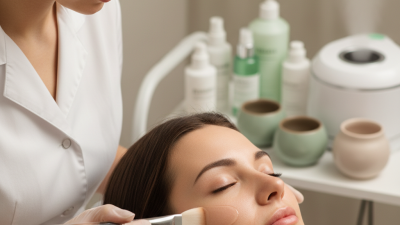
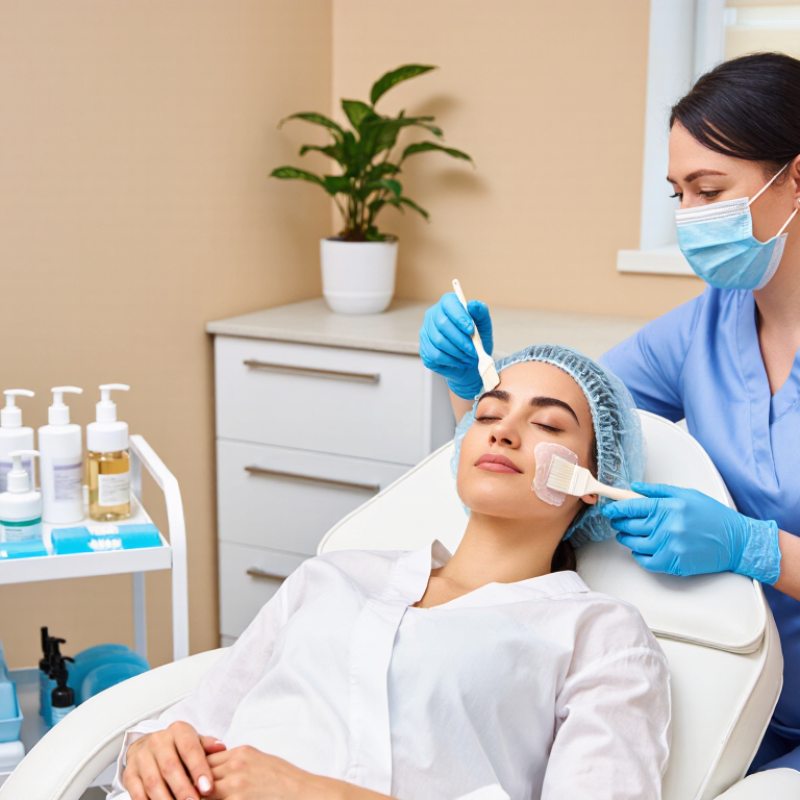
A chemical peel facial is a controlled skin treatment, not simply an “acid mask.” A trained professional applies a selected solution to loosen damaged surface cells. The skin then sheds gradually, revealing a smoother appearance. Superficial peels usually target texture, dullness, and mild uneven tone. Medium-depth peels reach deeper layers and require more recovery. Stronger treatments demand stricter clinical judgment.
The International Society of Aesthetic Plastic Surgery reported more than one million chemical peel procedures worldwide in its 2023 Global Survey.
This demand creates a business opportunity, but popularity is not proof of suitability. Skin type, medication use, recent sun exposure, and active irritation can change the treatment plan. The American Academy of Dermatology advises professional evaluation because complications may include prolonged redness, pigment changes, or scarring. A consultation should feel calm and specific. Rushed forms are not enough.
Tips: Keep a written skin assessment for every client. Explain expected peeling with simple language. Show a recovery timeline, including two quiet days when appropriate. Use trained staff and follow local professional rules. Avoid promising flawless results. Real skin is unpredictable. That honesty may feel less marketable, but it builds trust. A small patch test can also reveal useful information, although it cannot predict every reaction.
How Does a Chemical Peel Facial Work?
A chemical peel facial uses a controlled acidic solution to loosen bonds between surface skin cells. Common agents include alpha-hydroxy acids, salicylic acid, and trichloroacetic acid. Their concentration, pH, contact time, and application depth shape the final response. A superficial peel mainly affects the epidermis. Medium-depth treatment reaches deeper layers and requires stricter screening. Clients may feel warmth, tightness, or temporary sensitivity. That reaction does not prove better results.
The American Academy of Dermatology notes that chemical peels may improve uneven tone, texture, and selected acne concerns. Results vary with skin type, medication history, sun exposure, and practitioner technique. The International Society of Aesthetic Plastic Surgery reported more than one million chemical peel procedures worldwide in its 2023 global survey. Demand is real. For a business, demand should create protocols, not rushed appointments. Staff should document consent, skin assessment, solution strength, timing, neutralization, and aftercare. Qualified professionals must follow local regulations.
Grand View Research forecasts continued growth in the global chemical peel market, with an estimated annual growth rate of about 7% through 2030. Market forecasts, however, are not clinical evidence. That difference matters during consultations. Patch testing may help, but it cannot prevent every reaction. Sun protection remains essential after treatment. Some clients need referral. A careful consultation may reduce revenue that day, but it protects trust and safety. Honestly, dramatic peeling can look impressive online. It is not a reliable quality measure.
Which Types of Clients Are Best Suited for This Service?
The best chemical peel clients usually have mild, surface-level concerns. These include uneven tone, dullness, rough texture, superficial sun spots, and leftover acne marks. Their skin should be stable, without open wounds, active infections, or severe irritation. A peel works on the surface. It cannot erase deep scars overnight.
During consultation, ask about sensitivity, allergies, medications, recent procedures, and daily sun exposure. Clients with darker skin tones may still benefit, but they need careful ingredient selection and conservative treatment plans. Post-inflammatory hyperpigmentation is a real concern. Professional experience matters here. A trained provider should assess the client’s skin history, explain possible redness and peeling, and recommend strict sun protection. Some clients may need medical clearance before treatment.
This service suits realistic clients. They accept gradual improvement and understand that several sessions may be needed. It may fit someone preparing for an event, but timing matters. A first peel shortly before a wedding can create unnecessary stress. I have also learned that “stronger” does not always mean better. A cautious approach may produce slower results, yet it can protect the skin barrier. Clients with uncontrolled eczema, persistent rosacea, or unexplained reactions may need referral instead. A thoughtful consultation is sometimes the most valuable service.
How Can Your Business Introduce Chemical Peel Treatments Safely?
Why Choose Chemical Peel Facial for Your Business?
Introducing chemical peel treatments safely requires more than purchasing products and adding them to a service menu. Your business should appoint trained professionals who understand skin assessment, ingredient strength, exposure time, and adverse reactions. Check local licensing, scope-of-practice rules, sanitation requirements, and insurance conditions before offering treatment. These details vary by location.
Create a written protocol for every appointment. Begin with a consultation covering medical history, allergies, current skincare, recent procedures, and realistic goals. Do not treat irritated, broken, or suspicious skin. Obtain informed consent and explain possible redness, dryness, sensitivity, or uneven results. Keep treatment records, including batch information, timing, skin response, and aftercare instructions. A calm room, clean tools, protective eyewear, and a visible emergency plan also matter. Small details protect trust.
Tips: Start with a limited pilot service and review every client response. Use conservative settings and avoid rushing between appointments. Train staff with supervised practice, not only online reading. Provide written aftercare, including sun protection and when to seek medical help. Patch testing may be appropriate, but it cannot predict every reaction. Our first protocol may need revision; honest review is part of professional care. Encourage clients to report discomfort promptly, even after leaving the clinic.
Why Choose Chemical Peel Facial for Your Business? - How Can Your Business Introduce Chemical Peel Treatments Safely?
Practical comparison of chemical peel treatment levels and business safety requirements
| Treatment Level |
Primary Skin Layer |
Common Professional Uses |
Typical Visible Recovery |
Business Opportunity |
Essential Safety Controls |
| Very Superficial |
Outermost stratum corneum |
Temporary improvement in skin brightness, texture, and surface roughness |
Usually mild redness or dryness; often about 1–3 days |
Suitable as an introductory facial add-on and for clients seeking minimal downtime |
Use an approved professional formulation, follow its label instructions, protect the eyes, document skin assessment, and provide strict post-treatment sun protection guidance |
| Superficial |
Epidermis |
Uneven tone, mild acne-related changes, fine surface lines, and rough texture |
Redness, tightness, or light peeling; commonly about 3–7 days |
Creates a repeatable service that can be scheduled around normal work and social activities |
Complete consultation and consent, check for active irritation or infection, avoid unnecessary layering with other exfoliating treatments, and maintain a written aftercare protocol |
| Medium-Depth |
Through the epidermis into the papillary dermis |
More pronounced pigment irregularities, texture concerns, and selected scars or lines |
Noticeable redness, crusting, or peeling; commonly about 7–14 days, sometimes longer |
Higher-value service, but it requires stronger clinical governance and more detailed follow-up |
Offer only where permitted by local law and professional scope; require advanced training, medical screening, emergency procedures, documented review, and clear referral pathways |
| Deep |
Deep dermal layers |
Selected severe photoaging and other advanced indications under specialist care |
Often about 14–30 days or longer, with prolonged redness and significant wound-care needs |
Generally unsuitable for a standard salon facial menu; may require a regulated medical environment |
Do not introduce without specialist medical oversight, legal authorization, appropriate facilities, trained clinical staff, and formal complication-management systems |
Recommended business implementation checklist
| Implementation Area |
Minimum Standard Before Launch |
Success Measure |
| Legal and scope review |
Confirm local rules for chemical strength, provider credentials, supervision, recordkeeping, and product storage |
Written approval or documented compliance review completed before treatments begin |
| Staff training |
Training covers skin assessment, contraindications, application technique, neutralization where applicable, burns, allergic reactions, and escalation |
Each provider completes competency assessment and maintains current training records |
| Client screening |
Record medical history, medications, allergies, recent procedures, current skin condition, sun exposure, and realistic treatment goals |
Every client has a signed consultation and informed-consent record before treatment |
| Product control |
Use traceable, professionally labeled products; follow manufacturer instructions; maintain batch and expiry records |
Complete inventory log with no expired or unidentified products in use |
| Aftercare and follow-up |
Provide written instructions covering gentle cleansing, moisturization, sun avoidance, broad-spectrum sunscreen, and warning signs |
Follow-up is documented and clients know when to contact the business or seek medical care |
Important: Recovery times are typical ranges, not guarantees. Results and risks vary according to the formulation, concentration, application method, skin condition, medical history, and provider qualifications. Chemical peels should be introduced only within applicable laws, professional scope of practice, and the product manufacturer’s instructions.
 3606 E. Chapman Ave, Orange, CA 92869
 Contact us: 714-743-4914