3606 E. Chapman Ave, Orange, CA 92869
Contact us: 714-743-4914
3606 E. Chapman Ave, Orange, CA 92869
Contact us: 714-743-4914

Choosing the China best esthetician chemical peel manufacturer requires more than comparing prices or attractive packaging. Professional buyers need evidence, consistent production, and clear communication. The right partner should understand professional skincare routines, not simply manufacture bottles.
An esthetician chemical peel may contain acids such as glycolic, lactic, salicylic, or mandelic acid. Each formula needs controlled concentration, stable pH, suitable packaging, and clear usage guidance. A dependable manufacturer can explain raw material sourcing, batch testing, stability studies, and production controls. Requesting certificates, sample reports, and traceable batch records helps turn marketing claims into verifiable information. Small details matter. A cloudy sample, damaged seal, or unclear label should not be ignored.
Experience also matters during product development. Skilled teams can adjust texture, scent, packaging, and professional-use instructions for different markets. However, no supplier is perfect. Samples may perform differently under local storage conditions, and communication can occasionally create delays. That possibility deserves honest discussion. Buyers should evaluate factory audits, response times, technical support, and post-sale responsibility before signing an agreement. Regulatory requirements also vary by country, so formulas and claims must be reviewed by qualified professionals before commercial release. The strongest manufacturer is not necessarily the cheapest or most visible. It is the one that combines documented quality, practical expertise, ethical production, and reliable service. This introduction examines how to assess Chinese manufacturers with a careful, evidence-based approach. Results vary. Careful verification remains essential.
A professional esthetician chemical peel is a controlled exfoliation treatment performed after a trained skin assessment. It uses selected acids or enzymes to loosen surface cells, refine texture, and brighten uneven tone. The professional considers skin type, sensitivity, sun exposure, medications, and treatment history. A peel should never be chosen by strength alone. That shortcut can disappoint.
During consultation, the esthetician checks for irritation, active lesions, broken skin, and barrier damage. A small-area test may be appropriate. Treatment begins with clean, dry skin and precise timing. The client may feel warmth, tingling, or mild tightness. Severe burning is not a normal goal. The solution should be removed promptly if the skin reacts unexpectedly. Deeper peels may require qualified medical supervision, depending on local regulations.
For manufacturers serving professionals, transparency is essential. Reliable products need clear ingredient percentages, batch records, stability data, and practical directions. These details support consistent treatment and help investigate unexpected reactions. Afterward, gentle cleansing, moisturization, and broad-spectrum sun protection support recovery. Picking, scrubbing, and heat exposure can worsen irritation. Results vary. One session may reveal as much as it improves. Careful notes, honest communication, and follow-up matter more than dramatic promises.
Which Chemical Peel Types Are Used in Esthetician Practice?
Estheticians commonly select superficial peels for controlled skin renewal. Glycolic and lactic acid peels may improve dullness, uneven texture, and mild discoloration. Salicylic acid is often chosen for oily skin and congestion. Depth matters. The right formula depends on concentration, pH, contact time, and skin tolerance.
Medium-depth options, including trichloroacetic acid, require stronger clinical judgment and appropriate professional training. Jessner-type blends may combine exfoliating acids for visible texture concerns. However, peel categories are not perfectly uniform. Product strength and application technique can change the treatment outcome. Fitzpatrick skin type, recent sun exposure, sensitivity, and barrier condition should guide selection.
The 2023 ISAPS Global Survey recorded more than 19 million nonsurgical aesthetic procedures worldwide, showing continued demand for minimally invasive skin treatments. Grand View Research estimated the global chemical peel market at more than 4 billion US dollars in 2023. These figures suggest opportunity, but volume should never replace assessment. Experienced practitioners usually begin conservatively, document skin responses, and adjust future sessions. Patch testing can help, although it cannot predict every reaction. Some clients expect instant brightness. Real skin often needs slower progress. For manufacturers, clear ingredient disclosure, stable formulation data, and practical training materials remain essential for safer esthetician use.
| Chemical Peel Type | Common Active Ingredient | Typical Professional Concentration Range | Approximate pH Range | Primary Cosmetic Uses | Expected Peeling Level | Typical Recovery | Common Skin Considerations | Important Practice Notes |
|---|---|---|---|---|---|---|---|---|
| Glycolic Acid Peel | Alpha hydroxy acid derived from sugar cane | 20%–70%, depending on local regulations, formulation, and practitioner training | Approximately 1.5–3.5 | Surface roughness, dull appearance, uneven tone, and the appearance of fine lines | Superficial to moderate | Usually 2–7 days of mild redness, tightness, or flaking | Often selected for normal, combination, and oily skin; lower strengths may be considered for sensitive skin | Can cause irritation if exposure time, concentration, or skin preparation is not properly controlled |
| Lactic Acid Peel | Alpha hydroxy acid derived from lactic acid | 20%–50% in many professional cosmetic protocols | Approximately 2.0–3.5 | Dryness, mild uneven tone, rough texture, and loss of surface radiance | Superficial | Usually 1–5 days of mild dryness or fine flaking | Commonly considered a milder option for dry or sensitive skin, although individual tolerance varies | Patch testing, conservative contact time, and post-treatment moisturization are important |
| Mandelic Acid Peel | Alpha hydroxy acid derived from bitter almonds | 20%–50% in professional cosmetic use | Approximately 2.0–3.5 | Uneven tone, mild acne-prone congestion, rough texture, and post-inflammatory discoloration concerns | Superficial | Usually 1–5 days of mild redness or flaking | Its larger molecular size may make it a useful option for some sensitive or acne-prone skin types | Clients with nut allergies or a history of strong reactions require careful screening and appropriate product information |
| Salicylic Acid Peel | Beta hydroxy acid | 10%–30% in professional cosmetic treatments; permitted limits vary by jurisdiction | Approximately 2.0–3.5 | Excess oil, clogged pores, comedones, and the appearance of blemishes | Superficial | Usually 2–7 days of dryness, tightness, or light peeling | Often used for oily or acne-prone skin; caution is needed for aspirin sensitivity and highly reactive skin | Do not use on compromised skin; follow local rules regarding salicylate products and client contraindications |
| Jessner-Type Peel | Typically a blend of lactic acid, salicylic acid, and resorcinol or another authorized substitute | Formula and strength vary considerably by product and jurisdiction | Commonly approximately 1.5–2.5 | Uneven texture, excess oil, discoloration, and selected acne-related concerns | Superficial to moderate | Approximately 5–10 days, with possible visible peeling | Requires careful assessment of skin tone, sensitivity, previous treatments, and risk of post-inflammatory hyperpigmentation | May be outside an esthetician’s legal scope in some regions; only trained and authorized professionals should perform it |
| Pyruvic Acid Peel | Alpha-keto acid that can have keratolytic and antimicrobial properties | Typically 30%–50% in professional protocols | Often approximately 1.5–2.5 | Oiliness, rough texture, enlarged-pore appearance, and selected acne concerns | Superficial to moderate | Approximately 3–7 days, depending on strength and application method | May be irritating for dry, sensitive, or barrier-impaired skin | Requires strong ventilation, controlled application, and compliance with workplace safety procedures |
| Trichloroacetic Acid (TCA) Peel | Trichloroacetic acid | Commonly 10%–35% in professional medical or advanced clinical protocols | Approximately 0.6–1.0 | Selected pigmentation, texture, and photodamage concerns under appropriate clinical supervision | Superficial to deep, depending on concentration and technique | Approximately 7–14 or more days for visible peeling and erythema | Higher risk of burns, scarring, infection, and post-inflammatory hyperpigmentation than mild superficial peels | Often restricted to medical professionals or advanced licensed providers; not automatically suitable for routine esthetician practice |
| Safety and regulatory note: Concentration, pH, application time, layering, neutralization requirements, and permitted provider scope differ by country, state, product classification, and training level. Estheticians should use only products and techniques legally permitted in their jurisdiction, complete a client consultation, screen for contraindications, protect the eyes and mucous membranes, provide broad-spectrum sunscreen guidance, and refer medical skin conditions or high-risk cases to an appropriate healthcare professional. | ||||||||
How Are Chemical Peel Formulas Developed and Manufactured in China?
China’s chemical peel manufacturers typically begin with the intended skin concern, application area, and professional-use requirements. Formulators then select acids, solvents, buffers, humectants, and viscosity modifiers. Concentration alone does not determine performance. pH, free-acid strength, exposure time, and application technique can change the final effect.
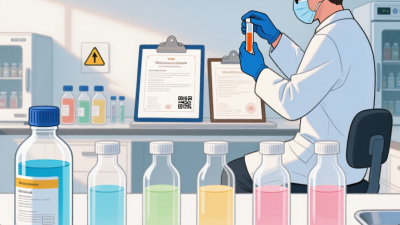
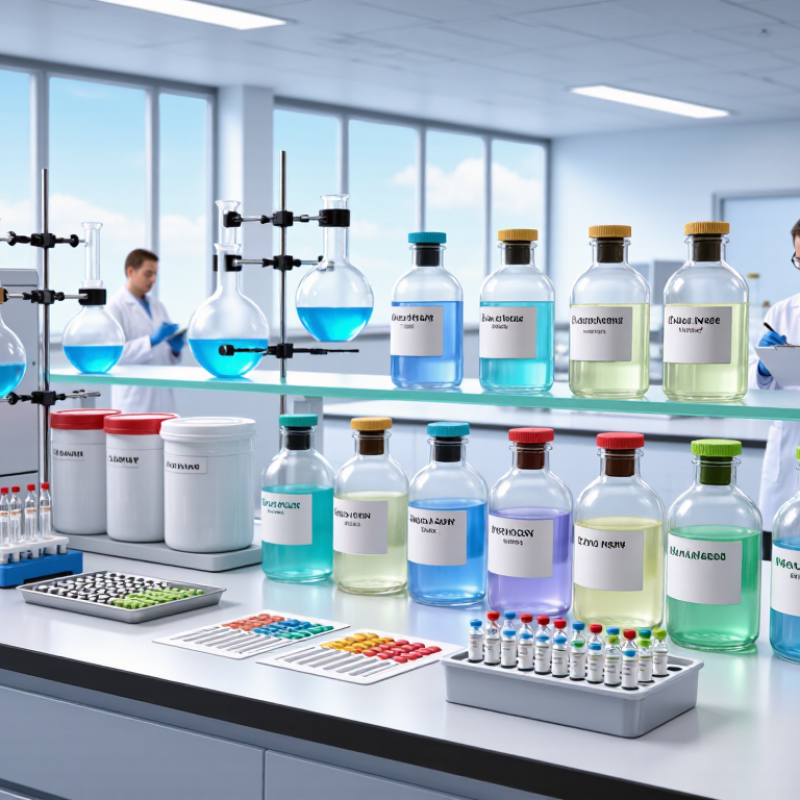
Small details matter. A development team may compare several prototypes in glass vessels before selecting a compatible package. Laboratory checks commonly include pH, viscosity, appearance, microbial limits, preservative effectiveness, and accelerated stability. Packaging is tested too, because acidic formulas can weaken pumps, seals, or labels. ISO 22716-based production controls help manage weighing, sanitation, batch records, and traceability.
According to Grand View Research, the global chemical peel market was valued at approximately USD 4.1 billion in 2023, with projected growth of about 7.2% annually from 2024 to 2030. This expansion increases pressure for faster product development, but speed should not replace evidence. A reliable Chinese facility should use pilot batches, controlled filling, stability studies, and documented quality release procedures. Independent safety assessments and region-specific regulatory reviews remain necessary before distribution.
Some formulas still look perfect on paper and disappoint during real use. Skin response varies. This is where professional feedback, controlled testing, and honest reformulation become valuable. The strongest manufacturing process is not the fastest one; it is the one that records uncertainty and corrects it.
A reliable chemical peel manufacturer should follow ISO 22716 Good Manufacturing Practices. This standard controls personnel hygiene, equipment cleaning, batch records, storage, and product release. Each batch needs verified acid concentration, pH, viscosity, microbial limits, and stability results. A certificate of analysis is useful, but it cannot replace independent testing. Small gaps matter. An incorrect pH reading can cause unexpected irritation.
Manufacturers should use validated methods such as HPLC for active ingredients and documented preservative testing. Packaging must protect the formula from light, heat, and contamination. Stability studies should examine real-time and accelerated conditions. The European Commission’s Safety Gate 2023 report identified chemical hazards as a major concern across consumer products, reinforcing the need for traceable ingredients and risk assessment. For professional-use products, safety instructions should state application time, skin preparation, contraindications, and emergency procedures.
Regulatory classification also requires careful review. Cosmetic claims, professional claims, and medical claims may follow different rules in different markets. A responsible factory maintains supplier qualification, complaint tracking, recall procedures, and product liability documentation. ISO 9001 can strengthen quality management, while ISO 22716 focuses more directly on cosmetic production practices. Testing alone is not enough. Human factors matter too, because clear labels can prevent misuse. Manufacturers should continuously review their process, even when previous batches passed inspection. That part is often overlooked.
Selecting a reliable Chinese chemical peel manufacturer requires more than comparing prices. Grand View Research’s 2024 market analysis projects continued global growth in professional chemical peels through 2030. This expansion attracts capable suppliers, but also inexperienced factories. Buyers should verify manufacturing qualifications, product consistency, and regulatory documentation before discussing volume.
Request the factory’s ISO 22716 or equivalent cosmetic GMP evidence, recent audit records, and complete batch traceability. Each product should provide an INCI ingredient list, specification sheet, certificate of analysis, pH range, and shelf-life data. Ask how the manufacturer controls temperature, filling accuracy, and contamination risks. A retained sample from every batch is useful during complaints or quality investigations. Clear answers matter.
Independent testing should include stability checks, microbiological testing, packaging compatibility, and suitable safety assessments. Grand View Research also identifies professional clinics and controlled product quality as important market growth factors. Do not accept market claims without test methods and sample records. A factory tour can help, but polished rooms prove little. I would request video evidence of actual production, not only presentation areas. A low quotation may hide weaker testing, unstable raw materials, or limited technical support. Buyers should also confirm labeling and import requirements in the destination market. The uncomfortable part is that no supplier is risk-free. Careful documentation only makes risk visible and manageable.
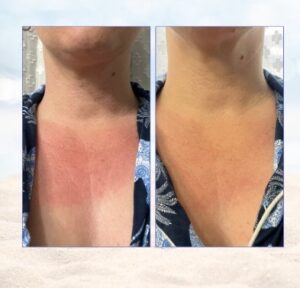
Pamper Your Sunburned Skin with this Luxurious treatment. It will leave your skin hydrated, strengthened, and less inflamed with less pain and irritation.
Book now and give your skin the care it deserves.
Schedule Your Appointment Today »
Text: 714-743-4914