7 Tips to Compare Chemical Peel Cost Worldwide

Chemical peel cost can differ sharply between cities and countries. A clinic’s location matters, but it is only one part of the price. The peel’s ingredients, treatment depth, provider’s training, and number of sessions can all affect a quote. So can consultation fees, aftercare products, taxes, and currency conversion. Details matter.

A low advertised price may cover only the procedure, not the full visit. Ask what the fee includes. Request a written estimate, and check whether follow-up care is available. Compare providers with appropriate clinical qualifications and experience, rather than relying on price or online reviews alone. Regulations and professional standards vary by location, so verify credentials through reliable local sources. A qualified clinician should explain expected results, possible risks, and whether the treatment suits your skin.

This guide offers seven practical tips for comparing chemical peel cost worldwide. It looks at how to compare like-for-like treatments, identify extra charges, and assess provider experience. It also considers travel and exchange-rate costs, which can make an overseas offer less attractive than it first appears. The cheapest option is not always the best value. Still, price alone cannot prove quality, and a polished clinic website is not a guarantee. Ask clear questions, compare written details, and take time to decide.
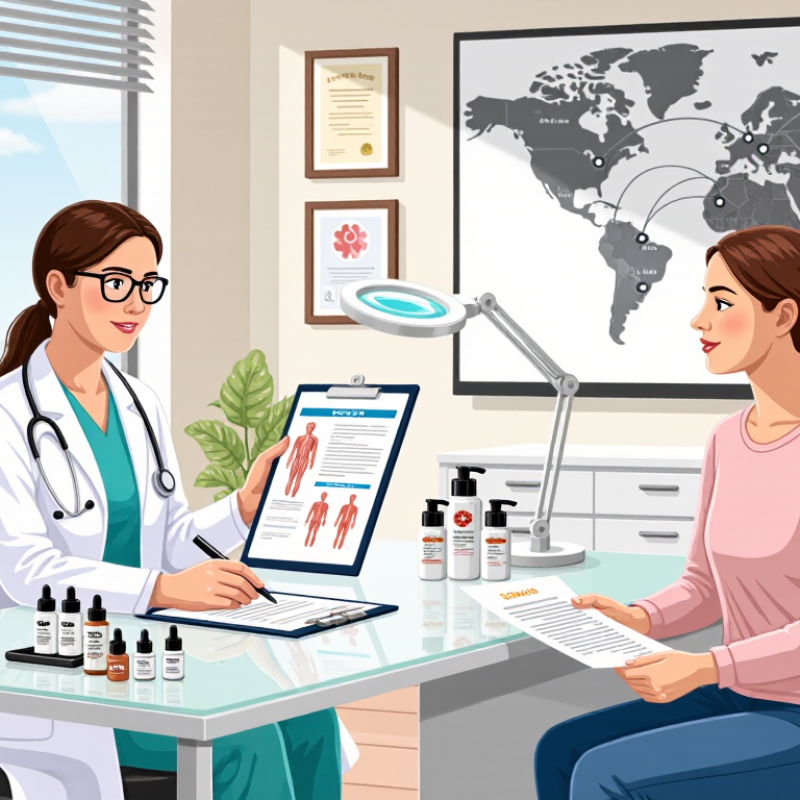
7 Tips to Compare Chemical Peel Cost Worldwide

Define the Peel Type and Treatment Depth

Define the peel before comparing prices. “Chemical peel” can mean a light surface treatment, a medium-depth peel, or a deep peel, and these are not interchangeable. Light peels may use glycolic or lactic acid and often require repeat sessions. Medium peels reach deeper layers, while deep peels involve more intensive recovery and clinical oversight. The American Society of Plastic Surgeons’ 2023 Procedural Statistics Report lists a US average physician fee of $519 for a chemical peel. Treat this as a reference point, not a worldwide price: the figure does not capture every facility, consultation, or aftercare fee.

Tip: Ask for the exact peel agent, concentration, depth, and number of planned sessions. A quote that only says “chemical peel” leaves too much unclear. Compare like with like, including who performs the treatment and what follow-up is included. Prices can look tidy on a page; the details often are not.

Skin tone, sensitivity, medical history, and treatment goals can affect which depth a qualified clinician recommends. Ask how recovery may look day by day, including redness, peeling, and time away from work. A cheaper quote may exclude assessment or follow-up, but a higher price alone does not prove better care. There is no perfect global comparison. Check the written plan, and be willing to question assumptions.

7 Tips to Compare Chemical Peel Costs Worldwide: Define Peel Type and Treatment Depth

Typical estimated cost per treatment in USD, grouped by peel depth. These broad price ranges are indicative, not a standardized worldwide survey.

Superficial peels generally cost less and may be repeated in a series; medium and deep peels require more intensive treatment and recovery. Prices vary by country, clinician, ingredients, and whether consultation, anesthesia, or facility fees are included. Compare like-for-like peel types and check what each quote covers.

Check What Each Quoted Price Includes

A chemical peel quote is only useful when you know what it covers. Compare the same peel depth, treatment area, and number of sessions across clinics. A low price may cover one visit, while another includes a consultation and follow-up. Small details matter.

Tip 1: Ask for an itemized quote. Check whether the consultation, clinician’s fee, peel application, and taxes are included. Ask about aftercare instructions, recommended products, and any review appointment. These can change the real cost. Get the answer in writing.

Tip 2: Clarify what happens if your plan changes. Some people may need a different peel strength after an in-person assessment, and extra sessions can raise the total. Ask whether those costs are included or charged separately. Also check who performs the treatment and what training they have. Don’t assume. A polished quote can still leave questions. Compare the details, not just the headline price, and keep room for uncertainty until a qualified provider assesses your skin.

Compare Prices Across Countries and Regions

A chemical peel quote can change sharply across borders, even when clinics describe similar treatments. Compare the peel’s depth, treated area, clinician’s fee, consultation, and follow-up care. Ask whether taxes, aftercare products, and any extra visits are included. A low headline price may cover only the procedure.

The American Society of Plastic Surgeons’ 2023 Plastic Surgery Statistics Report lists an average U.S. chemical peel cost of $1,829. It is a useful benchmark, not a global price. The report notes that listed costs exclude related expenses, so compare itemized quotes rather than headline figures. And one comparison can still mislead.

For cross-country checks, convert quotes into one currency, then account for exchange fees and local purchasing power. OECD purchasing power parity data helps compare broad price levels between economies, but it does not set clinic prices. Regional gaps matter, too: a major city quote may include specialist consultation, while a smaller clinic may bill separately. Check the clinician’s credentials, peel type, and written aftercare plan before comparing totals. Prices alone do not reveal quality. Research can feel messy, and published averages rarely match one person’s final bill.

Assess Provider Credentials and Clinic Safety

When comparing chemical peel prices across countries, check who will assess and perform the treatment. Ask for the provider’s full name, relevant training, and current registration or licence where applicable. Requirements differ by location, so verify credentials through the appropriate professional or health authority rather than relying on a clinic’s website alone. Details matter.

During a consultation, notice whether the provider asks about your skin history, medications, allergies, and past reactions. They should explain the peel’s strength, likely recovery, possible complications, and alternatives in language you understand. A clean treatment room, sealed supplies, hand hygiene, and clear written aftercare are practical signs to look for. No shortcuts.

Price comparisons can be misleading when one quote excludes assessment, follow-up, or treatment of an unexpected reaction. Ask what the fee includes and who you can contact after the appointment. The clinic should describe its plan for managing complications and when urgent medical care is needed. If staff rush your questions or promise a guaranteed result, pause before booking. It is tempting to choose the lowest price, but credentials and safety procedures are harder to judge from a price list. I might still find these details imperfectly clear; ask again, and consider another provider if answers remain vague.

7 Tips to Compare Chemical Peel Cost Worldwide - Assess Provider Credentials and Clinic Safety

Use these indicative price bands as a starting point, not as national averages. Prices vary with peel formulation, treatment depth, clinician, location, and what is included in the quote. Amounts are shown in local currency; compare like-for-like treatments before converting currencies.

Tip Market / comparison Indicative price band What to verify before comparing Provider credentials and clinic safety check
1. Compare the same peel depth Superficial peels, commonly used for mild surface concerns United States: about US$100–$300
United Kingdom: about £75–£250
India: about ₹1,500–₹8,000
Ask which acid, concentration, number of layers, and treatment area are included. A low price for a superficial peel is not comparable with a medium-depth treatment. Confirm that the person performing the procedure is legally permitted and appropriately trained to provide that peel in the location where the clinic operates.
2. Compare medium-depth treatments separately Medium-depth peels generally require more clinical assessment and recovery planning than superficial peels. United States: about US$300–$1,000
United Kingdom: about £250–£700
India: about ₹8,000–₹25,000
Check whether the price is per session or part of a package, and whether a consultation, preparation products, and review visit are included. Ask who assesses suitability, explains risks, obtains informed consent, and manages complications. Do not assume that a job title or online certificate alone proves authorization.
3. Compare like-for-like quotes across other markets Australia and the United Arab Emirates Australia: superficial about A$150–A$400; medium about A$400–A$1,200
UAE: superficial about AED 300–AED 900; medium about AED 900–AED 2,500
Request a written quote specifying peel depth, treatment area, session count, and any required pre- or post-treatment products. Check the practitioner’s current registration or license with the relevant local health-profession regulator, and confirm the clinic is licensed where required.
4. Check what the quoted price includes Consultation, skin assessment, treatment, aftercare, and follow-up There is no universal worldwide package standard; clinics may price these items separately. Ask for an itemized total, including taxes or fees, review appointments, and any charges if treatment is postponed after assessment. A responsible clinic should provide a medical history review, explain expected downtime and possible adverse effects, and give clear aftercare instructions.
5. Check whether the treatment is suitable for your skin Skin type, sensitivity, pigmentation risk, medical history, and current medicines can affect treatment choice. A lower quote does not establish that a peel is appropriate or safe for an individual. Ask whether the price includes an individual assessment rather than a one-size-fits-all treatment plan. The clinician should discuss risks such as irritation, infection, scarring, and changes in skin color, and should explain alternatives when relevant.
6. Assess clinic hygiene and emergency readiness Consult the clinic in person or request details about its treatment setting. Hygiene and safety standards should not be traded for a lower price. Confirm whether a review appointment and a contact route for concerns after treatment are included in the fee. Look for clean treatment areas, appropriate infection-control practices, clear consent procedures, and a documented plan for handling adverse reactions.
7. Compare final costs and realistic follow-up needs Currency conversion, exchange fees, travel, time off, and possible repeat sessions Use the same date and exchange-rate source when converting quotes; exchange rates and clinic prices change. Compare the total expected cost for the recommended course, not just the advertised starting price. Avoid assuming that more sessions will be needed—or that one session will be enough—without an assessment. Be cautious of pressure to pay immediately, guaranteed results, or claims that a deep peel is risk-free. Ask who provides follow-up care if you travel for treatment.

Important: Price bands are broad, illustrative clinic-price estimates and are not a substitute for current local quotes. Chemical peels differ in strength and risk; deeper peels require careful professional assessment and may not be suitable for everyone. Verify local practitioner licensing and clinic requirements before booking.

Calculate Total Costs, Including Aftercare and Travel

A chemical peel quote is only a starting point. Compare what each clinic includes: consultation, peel application, follow-up visits, and any recommended aftercare products. Ask whether the quoted price covers one session or a treatment plan. Some people need more than one visit, depending on their skin and the clinician’s assessment. Don’t assume two offers are equivalent. The cheapest may leave out important fees.

Tip: Build a full cost estimate. Add transport, accommodation, meals, and time away from work to the treatment price. Check currency conversion and payment fees if you are paying abroad. Ask about likely aftercare costs, such as gentle cleanser, moisturizer, and sun protection. Small costs add up. Keep receipts and leave room for unexpected expenses; my first estimate would probably miss something.

Tip: Plan around recovery, not just airfare. Ask a qualified clinician what aftercare and follow-up you may need, and when it is sensible to travel. Include an extra hotel night if your schedule feels too tight. Confirm how you can contact the clinic after returning home, and whether a follow-up appointment costs extra. A low fare can look appealing, but changing plans later may cost more. I would compare the complete itinerary, not just the treatment price.

advanced-floating-content-close-btn

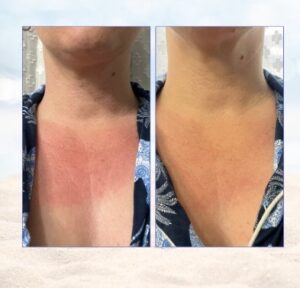
🌞 New! Sun Lover’s Facial – Now $125

 Pamper Your Sunburned Skin with this Luxurious treatment. It will leave your skin hydrated, strengthened, and less inflamed with less pain and irritation.

Book now and give your skin the care it deserves.

Schedule Your Appointment Today »

Text: 714-743-4914

Call Now Button