10 Best Products for Radiant Skin?
Radiant skin is often presented as a quick result, but healthy-looking skin usually needs consistency. A glowing complexion may depend on hydration, barrier support, sun protection, sleep, and realistic expectations. The best products should improve comfort and appearance without promising miracles.
Dermatologist Dr. Whitney Bowe has described the skin as “a reflection of what’s going on inside your body.” This perspective matters when comparing cleansers, serums, moisturizers, masks, and sunscreens. A gentle cleanser can remove evening makeup without leaving the face tight. A moisturizer may reduce dry, flaky patches around the nose. Broad-spectrum sunscreen helps protect the brightness you are trying to build.
This guide examines 10 products for radiant skin through practical details. We consider ingredients, texture, skin type, usability, and potential irritation. Fragrance may feel luxurious, but sensitive skin can disagree. Strong acids may create quick smoothness, yet overuse can weaken the barrier. Patch testing remains sensible, even when a product looks harmless.
No routine is perfect. Some recommendations may disappoint certain users. That is part of honest skincare advice. Results can vary with climate, hormones, age, and daily habits. The goal is not glass-like perfection. It is calmer, smoother, more comfortable skin that looks naturally luminous. Each product earns attention for a specific reason, not because its packaging makes bold claims.
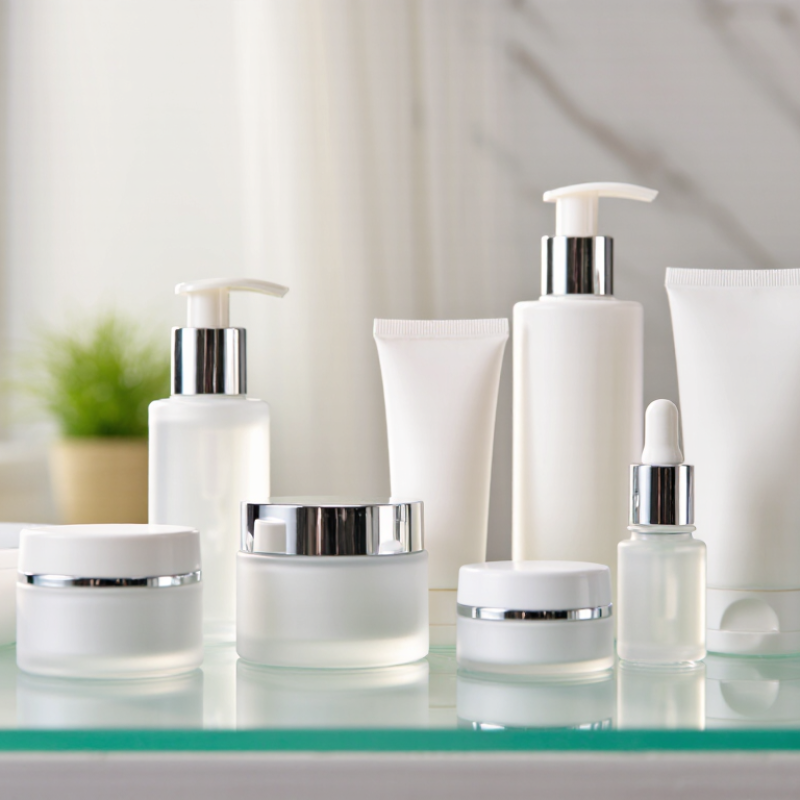
How to Identify the Best Products for Radiant Skin
The best products for radiant skin are not always the most expensive. Start by identifying your skin’s needs: dryness, excess oil, sensitivity, uneven tone, or breakouts. A gentle cleanser should remove sunscreen and pollution without leaving tightness. Choose moisturizers with humectants, such as glycerin, and barrier-supporting ingredients, such as ceramides. For dullness, vitamin C or niacinamide may help, but results require consistent use.
Sun protection deserves priority.
The American Academy of Dermatology recommends broad-spectrum SPF 30 or higher, with reapplication every two hours outdoors. The World Health Organization reported approximately 1.5 million non-melanoma skin cancer cases in 2020, linking many cases to ultraviolet exposure. That figure makes sunscreen a daily health product, not merely a beauty step.
However, “radiant” claims can be vague. I still find myself buying attractive packaging before checking the ingredient list. That is an expensive habit worth questioning.
Tips:
Patch-test new products on a small area for several days. Introduce one active ingredient at a time. Stop if burning, swelling, or persistent redness appears. Check the expiration date and storage instructions. Fragrance-free formulas may suit reactive skin, but “natural” does not automatically mean gentle. A dermatologist can assess persistent acne, pigmentation, or irritation more reliably than online reviews. Track changes with weekly photos under the same window light. Skin rarely transforms overnight. That is the part many routines quietly ignore.
Top Product Categories for a Brighter, Healthier Complexion
Top Product Categories for a Brighter, Healthier Complexion
Radiant skin usually begins with a gentle cleanser, not a harsh scrub. A low-foam formula can remove sweat and sunscreen without leaving tight, squeaky skin. Hydrating serums with glycerin or hyaluronic acid help soften dry patches. Niacinamide products may improve uneven tone and support the skin barrier. Vitamin C formulas can add antioxidant support, but fresh, stable formulations matter. Patch testing is sensible, especially for reactive skin.
Moisturizers belong in every routine. Look for ceramides, squalane, or panthenol when your cheeks feel rough after washing. Daily broad-spectrum sunscreen is essential for reducing visible darkening caused by ultraviolet exposure. Reapplication becomes difficult, though, particularly during commuting or outdoor work. A lightweight texture may make regular use easier. I often prefer a product that feels comfortable over one with impressive claims.
Gentle exfoliating products, including those with lactic acid or salicylic acid, can improve dull texture when used sparingly. Retinoid products may support smoother-looking skin, but dryness is common during adjustment. Barrier creams can help during that period. Clay masks may absorb excess oil, although frequent use can make skin feel tight. Eye-area moisturizers, calming mists, and targeted dark-spot treatments complete the broader category list, yet they are not always necessary. Skin improves slowly. The perfect routine is mostly a useful idea, not a guarantee.
Key Ingredients That Support Radiant Skin
10 Best Products for Radiant Skin?
Radiant skin usually depends on steady hydration, an even surface, and protection from daily sunlight. Ingredient quality matters more than an impressive product count. Vitamin C can support a brighter appearance and help defend against environmental stress. Choose a stable formula, then store it away from heat and direct light. Results are gradual. Texture matters.
Niacinamide is another useful ingredient for uneven tone, visible pores, and a weakened moisture barrier. It often suits beginners, although high concentrations may cause redness. Hyaluronic acid attracts water, while ceramides help reduce moisture loss. Apply hydrating ingredients to slightly damp skin, then seal them with a moisturizer. Less can be more.
For rough texture, gentle alpha hydroxy acids can loosen dead surface cells. Use them occasionally, not aggressively. A retinoid may improve cell turnover and soften the look of fine lines, but dryness is common during adjustment. Introduce one active ingredient at a time and patch-test first. Daily broad-spectrum sunscreen remains essential, because brightening products cannot offset repeated ultraviolet exposure. Skin rarely behaves perfectly. If persistent burning, swelling, or severe peeling appears, stop the product and seek advice from a qualified healthcare professional. A simple routine may outperform a crowded shelf, though finding the right balance can require patient, imperfect observation.
How to Choose Products for Different Skin Types
10 Best Products for Radiant Skin?
How to Choose Products for Different Skin Types
Radiant skin starts with matching products to your skin’s behavior, not chasing the newest formula. A 2021 review in the International Journal of Dermatology reported sensitive skin symptoms in roughly 50–60% of adults. That makes fragrance-free, low-irritant products a sensible starting point. Patch-test a small area near your jaw for several days. I still find this step easy to skip, and that is a mistake.
Dry skin often feels tight after cleansing. Choose a creamy, non-foaming cleanser and ingredients such as glycerin, ceramides, or petrolatum. Apply moisturizer while skin remains slightly damp. Oily or acne-prone skin needs lighter textures, such as gels or oil-free lotions. The American Academy of Dermatology reports that acne affects up to 50 million Americans each year. Salicylic acid may help unclog pores, but daily use can cause peeling. Less can work better.
Combination skin needs separate treatment. Use a light lotion on the forehead and a richer cream on dry cheeks. For redness-prone skin, avoid scrubs, strong essential oils, and frequent product changes. Every skin type needs broad-spectrum SPF 30 or higher, according to the American Academy of Dermatology. Reapply outdoors, especially after sweating. “Natural” does not automatically mean gentle. Watch your skin closely.
10 Best Product Types for Radiant Skin
Choose products according to your skin type and look for proven active ingredients. The chart shows the midpoint of commonly used over-the-counter concentration ranges; actual formulas vary by product and region.
How to choose: Dry skin generally benefits from humectants, urea, and barrier-supporting moisturizers. Oily or acne-prone skin may benefit from salicylic acid or benzoyl peroxide. Sensitive skin should start with lower-strength exfoliants and retinoids, while sunscreen with broad-spectrum SPF 30 or higher is recommended for every skin type.
How to Build a Simple Radiant-Skin Care Routine
10 Best Products for Radiant Skin?
A radiant routine needs consistency, not a crowded bathroom shelf. The ten most useful product types include a gentle cleanser, cleansing balm, hydrating toner, antioxidant serum, moisturizer, sunscreen, lip balm, exfoliant, retinoid, and soothing mask. Begin with a fragrance-free cleanser in the evening. Use lukewarm water, then pat your face dry. Rubbing can worsen irritation.
Keep mornings simple. Apply antioxidant serum, moisturizer, and broad-spectrum sunscreen with SPF 30 or higher. Reapply sunscreen outdoors, especially after sweating. The World Health Organization and International Labour Organization reported in 2023 that one in three non-melanoma skin cancer deaths was linked to outdoor work under sunlight. That figure makes sunscreen a health step, not merely a glow step.
At night, cleanse again and use a moisturizer. Add a mild exfoliant once weekly, or a retinoid two nights weekly. Do not introduce both together. Sensitive skin may need less. A 2024 dermatology review emphasized gradual retinoid use because irritation commonly reduces adherence. Patch-test new products for several days. Stop when burning persists. My own practical mistake is treating tightness as “clean.” It usually signals a damaged barrier. Radiance often looks quieter: smooth texture, comfortable skin, and fewer flaky patches.
 3606 E. Chapman Ave, Orange, CA 92869
 Contact us: 714-743-4914