3606 E. Chapman Ave, Orange, CA 92869
Contact us: 714-743-4914

3606 E. Chapman Ave, Orange, CA 92869
Contact us: 714-743-4914
Skin care products serve different needs, from cleansing and hydration to sun protection and targeted treatment. For global buyers, understanding these categories makes product selection clearer. A cleanser removes oil, sunscreen, and daily residue; a moisturizer helps reduce dryness and support a comfortable skin feel. Serums and exfoliants address more specific concerns, though their ingredients and strengths can vary widely. Small details matter. A lightweight gel may suit a humid climate, while a richer cream can feel more comfortable in cold, dry weather.
The categories are not always tidy. A toner may hydrate, exfoliate, or do both, depending on its formula. Buyers should look beyond product names and review ingredient lists, directions, packaging, and claims. They should also consider skin type, intended use, and local labeling requirements. These requirements differ between markets, so product information should be checked against reliable, current sources before purchase or distribution. No single formula suits everyone. Sensitivity, climate, and personal routines can all affect how a product feels and performs. This guide introduces the main types of skin care products and the practical details that help buyers compare them. It also leaves room for a useful question: does a product meet a real consumer need, or does its label simply sound appealing?
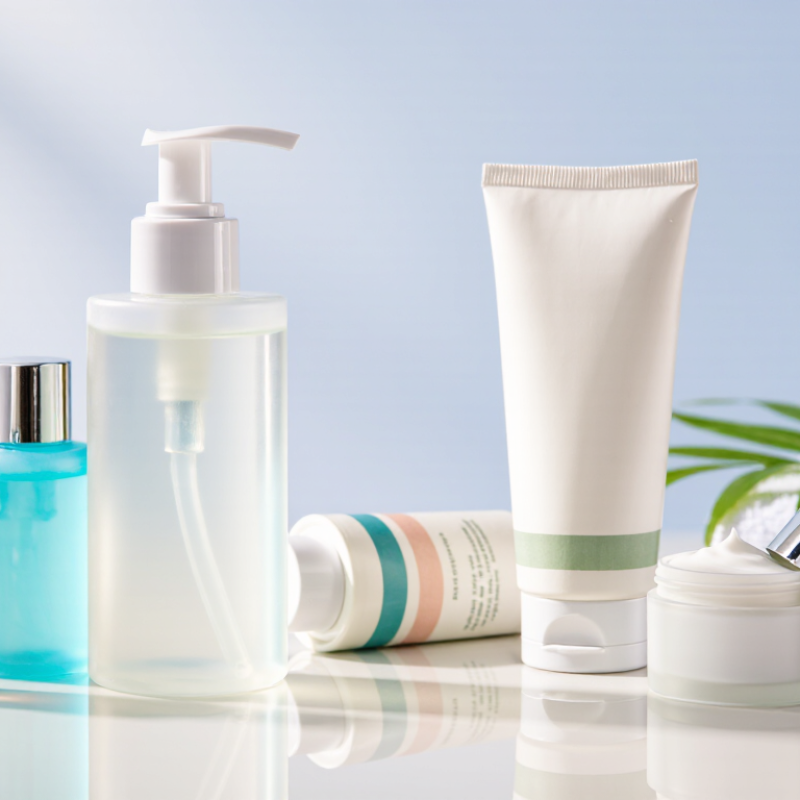
Skin care products are often classified by their main function, although one formula can serve more than one purpose. Cleansers remove sweat, excess oil, sunscreen, and everyday debris. A cleanser that leaves skin tight or squeaky may be too harsh for some people. That distinction matters.
Moisturizers help soften the skin and reduce moisture loss. Creams usually feel richer than lotions, while gels may feel lighter; texture alone does not prove how well a product works. Sunscreens help protect exposed skin from ultraviolet radiation. Apply an even layer, including around the ears, and follow the label’s directions for reapplication. Easy to overlook.
Treatment products address specific concerns, such as clogged pores or uneven-looking tone. Ingredients and strengths vary, so introduce one new product at a time and watch for irritation. Exfoliants loosen surface cells; scrubs and leave-on acids work differently and may irritate skin when overused. Masks are generally occasional products, not substitutes for daily cleansing or moisturizing. The grouping is useful, but a little rough: a moisturizer may also contain sunscreen, and a treatment may hydrate. It depends. Check directions and consider how your own skin responds.
Cleansers and exfoliants serve different purposes. A cleanser lifts away sunscreen, excess oil, and everyday dirt without leaving skin uncomfortably tight. Foaming formulas may suit oilier skin, while cream or lotion cleansers can feel gentler on dry or sensitive skin. These are starting points, not fixed rules. Small details matter. Water hardness, humidity, and personal preferences can change how a product feels.
Exfoliants help loosen dead surface cells, but more frequent use is not automatically better. Scrubs use small particles and require a light touch; rough particles and vigorous rubbing may irritate skin. Chemical exfoliants, including formulas with AHAs or BHAs, offer another approach. Buyers should check ingredient clarity, directions, and suitability statements rather than relying on dramatic claims. Less can be better. Encourage gradual use and a patch test, especially for new formulas or sensitive skin.
For global buyers, compare products by skin feel, climate needs, and clear labeling. Ask suppliers for full ingredient lists, usage instructions, and consistent product specifications. Packaging should protect the formula and remain readable during shipping and storage. I would not assume one cleanser or exfoliant fits every market. That assumption is easy to make, and worth revisiting when customer feedback arrives.
Serums and treatments appeal to global buyers because they target specific concerns with lightweight, easy-to-layer formulas. Acne is a common reason to seek focused care: the American Academy of Dermatology reports that acne affects up to 50 million people in the United States each year. For blemish-prone skin, buyers often look for products with salicylic acid or niacinamide. Ingredient concentration matters, but so does the full formula. A strong active in a poorly tolerated base may leave skin dry or irritated.
For uneven tone or early visible signs of aging, vitamin C, retinoids, and exfoliating acids are frequent choices. Evidence varies by ingredient and formulation, so buyers should avoid assuming that a higher percentage always means better results. Slow introduction helps: apply a small amount, follow the product directions, and watch for persistent redness or stinging. Patch testing is sensible. It is not a guarantee.
Professional guidance also matters. The American Academy of Dermatology advises people with acne to choose products labeled non-comedogenic and to give treatments time to work; irritation can occur with some active ingredients. Buyers comparing products across markets should check ingredient lists, use instructions, and suitability for their skin type. A serum can support a routine, but it cannot diagnose a skin condition. That distinction is easy to overlook.
| Product Type | Common Skin Concern | Common Ingredients | Typical Use | Buyer Considerations |
|---|---|---|---|---|
| Hydrating serum | Dehydrated or tight-feeling skin | Glycerin, hyaluronic acid, panthenol | Apply to clean skin; follow with moisturizer. Use on slightly damp skin if the directions allow. | Check for fragrance and other potential irritants if the intended user has sensitive skin. |
| Vitamin C serum | Uneven-looking tone and dullness | L-ascorbic acid or vitamin C derivatives; sometimes vitamin E or ferulic acid | Often used in the morning before moisturizer and sunscreen; follow the product directions. | Formulas can differ in stability and acidity. Packaging that limits light and air exposure can help protect some vitamin C formulas. |
| Niacinamide serum | Visible oiliness, uneven tone, or a weakened-feeling skin barrier | Niacinamide, often combined with humectants | Use after cleansing and before moisturizer, according to label directions. | Available in a range of concentrations; a higher percentage is not automatically a better fit for every skin type. |
| Retinoid treatment | Acne-prone skin or visible signs of photoaging | Retinol, retinal, or other retinoids | Typically introduced gradually at night; use moisturizer and daytime sun protection. | May cause dryness, redness, or peeling. Retinoids are generally avoided during pregnancy; users should consult a healthcare professional for personal guidance. |
| Salicylic acid treatment | Clogged pores and blemish-prone skin | Salicylic acid, a beta hydroxy acid (BHA) | Apply as directed, starting less frequently if the skin is sensitive or new to exfoliating acids. | Can cause dryness or irritation. Avoid applying to broken skin and follow the product’s safety directions. |
| AHA exfoliating treatment | Rough texture or uneven-looking tone | Glycolic acid, lactic acid, or other alpha hydroxy acids (AHAs) | Use according to label directions and avoid combining multiple strong exfoliating products in the same routine. | AHAs can increase sensitivity to sunlight; regular broad-spectrum sun protection is important. |
| Azelaic acid treatment | Blemish-prone skin and uneven-looking tone | Azelaic acid | Apply as directed; introduce gradually if irritation occurs. | Formula availability and permitted concentrations vary by market. Buyers should check local cosmetic and regulatory requirements. |
| Barrier-support serum or treatment | Dryness or a compromised-feeling skin barrier | Ceramides, cholesterol, fatty acids, and panthenol | Apply after cleansing and layer with moisturizer when needed. | Look for clear ingredient lists and packaging that protects the formula from contamination. |
| Broad-spectrum sunscreen | Daily protection from UVA and UVB exposure | Mineral filters such as zinc oxide, or permitted organic UV filters, depending on the market | Apply generously during the day and reapply as directed, especially after swimming or sweating. | SPF labeling, approved filters, and testing requirements differ across markets; verify local regulations and water-resistance claims. |
Note: Skin responses vary. Patch-test new products when appropriate and follow the product label; consult a qualified healthcare professional for persistent or severe skin concerns.
Moisturizers and masks support skin hydration in different ways. A moisturizer is usually designed for regular use, helping reduce water loss and soften the skin. Many formulas combine humectants, which attract water, with emollients that smooth rough-feeling areas. Some also contain occlusive ingredients that help limit moisture loss. For buyers, ingredient lists and clear usage directions matter.
Texture matters. A lightweight lotion may suit humid conditions or daytime routines, while a cream can feel more comfortable in dry weather. These are tendencies, not rules; skin preferences vary, even among people in the same climate. A richer formula is not automatically better, a detail that can be easy to overlook when comparing samples. Masks offer a more occasional step. A creamy rinse-off mask can provide a brief, cushioning feel, while a sheet mask holds a moist layer against the face for a limited time.
Leave-on masks should be used as directed, not treated as a replacement for daily moisturizer. Fragrance and certain active ingredients may bother sensitive skin, so a small-area patch test is a sensible precaution. Packaging also affects product quality: jars expose formulas to repeated contact, while tubes can make dispensing simpler. Still, packaging alone cannot confirm performance. Buyers should assess stability, labeling, and user feedback across different climates, then be willing to revise their assumptions. A promising sample may feel too heavy after a week.
Sunscreens and specialty products serve different moments in a daily routine. Grand View Research valued the global sunscreen market at USD 13.7 billion in 2023 and projected 5.2% annual growth through 2030. This signals buyer demand, not proven product performance. The World Health Organization and IARC estimated 1.5 million non-melanoma skin cancer cases and 330,000 melanoma cases worldwide in 2022. The American Academy of Dermatology recommends broad-spectrum sunscreen with SPF 30 or higher. Reapply every two hours outdoors, and after swimming or sweating. Small details matter. A thick formula may stay unused in a beach bag.
For global buyers, useful sunscreen formats include lightweight lotions for daily wear, water-resistant options for outdoor activity, and mineral formulas for people who prefer them. Specialty care can include fragrance-free moisturizers for dry-feeling skin and targeted products for uneven tone or blemish-prone areas. Texture matters too. Clear ingredient labeling, practical packaging, and climate-appropriate textures help people use products consistently. Still, “specialty” does not mean suitable for everyone; skin responses vary, and a product label cannot replace individual advice. Buyers should assess claims against available evidence, not just attractive packaging. A forecast is not a care outcome, and that distinction deserves more attention.
Pamper Your Sunburned Skin with this Luxurious treatment. It will leave your skin hydrated, strengthened, and less inflamed with less pain and irritation.
Book now and give your skin the care it deserves.
Schedule Your Appointment Today »
Text: 714-743-4914