3606 E. Chapman Ave, Orange, CA 92869
Contact us: 714-743-4914

3606 E. Chapman Ave, Orange, CA 92869
Contact us: 714-743-4914
China remains a major sourcing center for global skin care buyers, but supplier selection requires more than attractive catalogs. A polished factory tour can hide weak documentation, inconsistent batches, or unclear ingredient origins. Buyers need practical evidence, not promises.
Dr. Howard Murad, a respected dermatologist and founder of Murad, said, “The skin is a reflection of your overall health.” His statement reinforces an important sourcing lesson: effective products begin with responsible formulation and transparent manufacturing. For companies searching “give me skin care,” the right Chinese supplier should provide complete INCI lists, safety data, batch records, stability testing, and clear claims support. ISO 22716 or equivalent good manufacturing practices can strengthen confidence, although certification alone does not guarantee perfect performance.
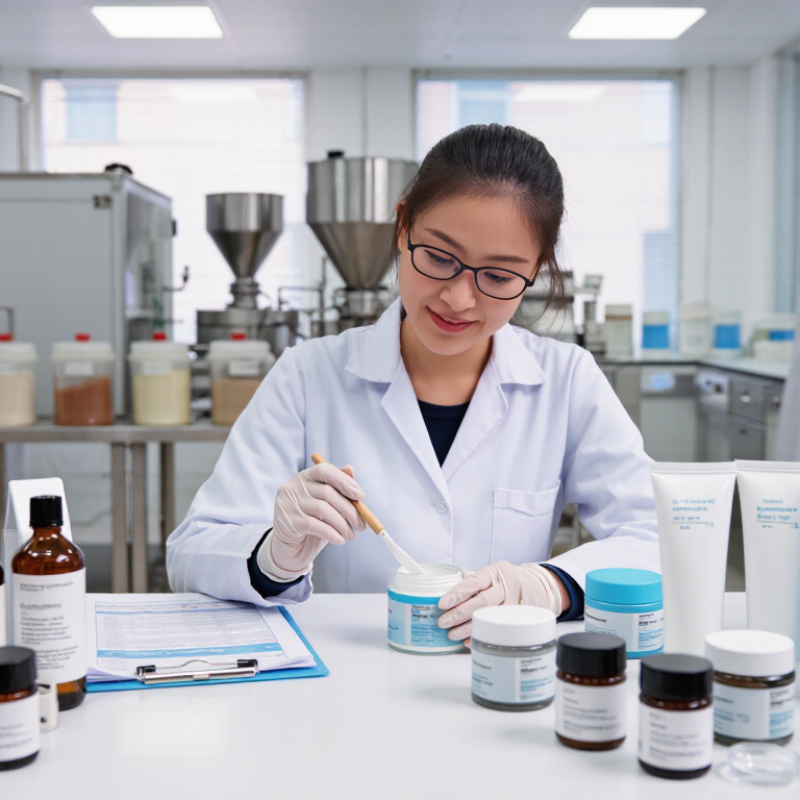
Walk through the process carefully. Request samples from the intended production line. Compare texture, scent, color, packaging seals, and filling weight. Check whether the certificate of analysis matches the actual batch. Ask about minimum order quantities, lead times, formula ownership, and export experience. A reliable supplier should answer directly and provide traceable documents.
No supplier search is perfect. Samples may perform differently after months of storage. Communication can also fail when technical terms are translated loosely. That is why independent testing and written specifications remain essential. The strongest partnerships develop through repeated verification, not one impressive meeting. This guide examines leading Chinese skin care suppliers, their capabilities, certifications, product categories, and suitability for global buyers. Expect useful comparisons, but keep your own due diligence active. Details matter.
China’s cosmetics retail sales reached RMB 435.8 billion in 2024, according to the National Bureau of Statistics. This figure shows strong domestic demand for facial care, cleansing products, and functional formulas. It does not equal supplier revenue or export value. That distinction matters.
Euromonitor International’s 2024 beauty and personal care research highlights China’s continued shift toward ingredient awareness, online discovery, and specialized skincare routines. Global buyers should examine a supplier’s formulation records, batch traceability, stability testing, and production capacity. A clean factory visit helps, but documents matter more. Check them carefully.
China Customs trade data and UN Comtrade records can help buyers compare export patterns under relevant cosmetics categories. However, customs codes may combine different product types. The numbers are useful, not perfect. Buyers should request product specifications, certificates, packaging samples, and recent quality reports before negotiating volume. Small details often reveal larger risks, such as inconsistent labeling or weak lot control. I have found that attractive pricing can hide expensive rework. Supplier selection should therefore balance cost, technical communication, delivery performance, and compliance support. The RMB 435.8 billion market signals opportunity, but reliable sourcing requires evidence beyond market size.
Private-label, OEM, and ODM are not interchangeable supplier models.
Private-label manufacturing uses an existing formula, packaging format, and production process. It usually supports faster launches and lower development costs.
OEM manufacturing follows a buyer’s formula or detailed specification. The buyer controls more technical decisions, including texture, active levels, and packaging materials. ODM suppliers provide formulation and product development support, often from a tested concept library. They can shorten development timelines, but customization may be limited.
The commercial opportunity is substantial.
McKinsey’s 2023 beauty industry report forecasts the global beauty market will exceed 580 billion dollars by 2027. Its estimated annual growth is about 6 percent. Grand View Research also identifies rising demand for personalized and multifunctional skin care products. These figures support China’s manufacturing appeal, but they do not remove supplier risks. A low quotation can hide expensive testing, artwork revisions, or minimum-order requirements.
Practical supplier evaluation should examine batch records, ingredient traceability, stability testing, and production consistency. Ask for samples from different batches. One sample is not enough.
Packaging compatibility deserves equal attention, especially with active formulas and airless pumps.
In my view, ODM is often the most efficient starting point for new buyers, while OEM suits mature product teams. That judgment can change. A supposedly flexible supplier may still reject small modifications or charge heavily for them. Buyers should verify certificates, export experience, lead times, and quality procedures before signing development terms.
Choosing a Chinese skin care supplier requires more than reviewing samples and price lists. Compliance evidence should be checked before production begins. ISO 22716 GMP supports controlled manufacturing, hygiene, training, documentation, and batch traceability. It is useful, but certification alone does not prove every product meets destination-market law.
For EU sales, Regulation (EC) No 1223/2009 requires a responsible person, a Product Information File, and a Cosmetic Product Safety Report. Product notification through the Cosmetic Products Notification Portal may also apply. Claims need reliable support, especially for phrases involving sensitive skin, acne, or long-lasting effects.
For U.S. distribution, MoCRA introduces facility registration, product listing, safety substantiation, serious adverse event reporting, and accessible records. The importer or responsible party should confirm who owns each duty in writing. Responsibilities can become unclear.
Tips: Request current certificates, audit reports, ingredient specifications, stability data, microbiological results, and sample batch records. Check whether documents match the exact factory and product formula. Ask how complaints are investigated and how changes are approved. A polished file can still hide weak controls. I have found that simple questions often reveal more than impressive presentations. Verify independently, and keep a dated compliance checklist for every shipment.
Comparing suppliers requires more than checking a product catalogue. Review monthly production capacity, equipment, staffing, and quality-control records. Ask whether capacity is reserved for private-label projects or shared across many orders. A supplier producing millions of units may still struggle with a small custom batch. Request recent batch samples and inspect fill consistency, packaging seals, and labeling accuracy.
MOQ affects both cost and flexibility. A low MOQ may increase unit pricing or limit packaging choices. Confirm whether the MOQ applies to one formula, one scent, or each package design. Lead times should be separated into sampling, formula approval, packaging procurement, and mass production. For example, samples may take two weeks, while packaging can require four to eight weeks. Delays are common when artwork changes late. I have seen buyers focus on factory capacity and overlook this detail.
Tips: Ask for a written production timeline. Require milestone updates, not vague promises. Evaluate R&D through prototype records, stability testing, preservative testing, and ingredient traceability. Qualified technical staff should explain texture, compatibility, and realistic product claims in clear language. A supplier that immediately promises every result deserves careful questioning. Some development steps may feel slow, but skipping them creates greater risk. Supplier visits, independent inspections, and documented corrective actions can reveal more than polished presentations.
China Top Skin Care Suppliers for Global Buyers?
Quality audits, stability testing, and documentation often reveal more than a polished factory tour. During an audit, inspect raw material storage, batch records, cleaning logs, and training files. Check whether operators follow written procedures consistently. One missing signature may signal weak control, or simply poor filing. Investigate it before judging the supplier.
Stability testing should match the product, package, and shipping climate. Ask for real-time data and accelerated studies, such as 40°C and 75% relative humidity. Review changes in color, odor, viscosity, pH, and microbial results. Packaging compatibility also matters. A cream may remain stable while its pump becomes brittle. Request retain samples from commercial batches, not only laboratory samples. Testing is rarely perfect. Results need context.
Tips: Request a document index before sampling. Verify the certificate of analysis against the actual batch number. Compare ingredient lists, specifications, safety data, and production dates across files. Confirm that translations are accurate and controlled. Keep a written action list after every audit. Small gaps can become expensive delays. A reliable supplier should answer clearly, provide traceable evidence, and accept reasonable follow-up questions. If records look unusually clean, ask how exceptions are handled. Real factories have deviations. The important issue is whether they investigate, correct, and document them properly.
This buyer-side checklist tracks the evidence areas commonly reviewed for global cosmetic imports. It is aligned with recognized frameworks and regulations, including ISO 22716 Good Manufacturing Practices, ISO 11930 preservative efficacy testing, the EU Cosmetics Regulation 1223/2009, and U.S. MoCRA requirements. Higher values indicate a broader documentation and verification scope, not supplier or brand performance.
Pamper Your Sunburned Skin with this Luxurious treatment. It will leave your skin hydrated, strengthened, and less inflamed with less pain and irritation.
Book now and give your skin the care it deserves.
Schedule Your Appointment Today »
Text: 714-743-4914