China Top Skin Care Suppliers for Global Buyers?

China has become a major sourcing destination for skin care products, offering flexible manufacturing, competitive pricing, and extensive formulation capabilities. Global buyers can find factories producing cleansers, serums, sunscreens, creams, masks, and private-label collections. However, choosing among China’s top skin care suppliers requires more than comparing catalog prices. A polished website is not proof of reliable production.

This guide examines suppliers through practical, evidence-based criteria. These include factory experience, ingredient traceability, quality-control systems, product testing, minimum order quantities, packaging options, and export communication. Buyers should review certifications carefully, confirm manufacturing locations, and request recent samples before signing agreements. A useful supplier should explain its formula development process clearly. It should also provide accurate ingredient lists, batch records, stability information, and suitable product documentation for the destination market.

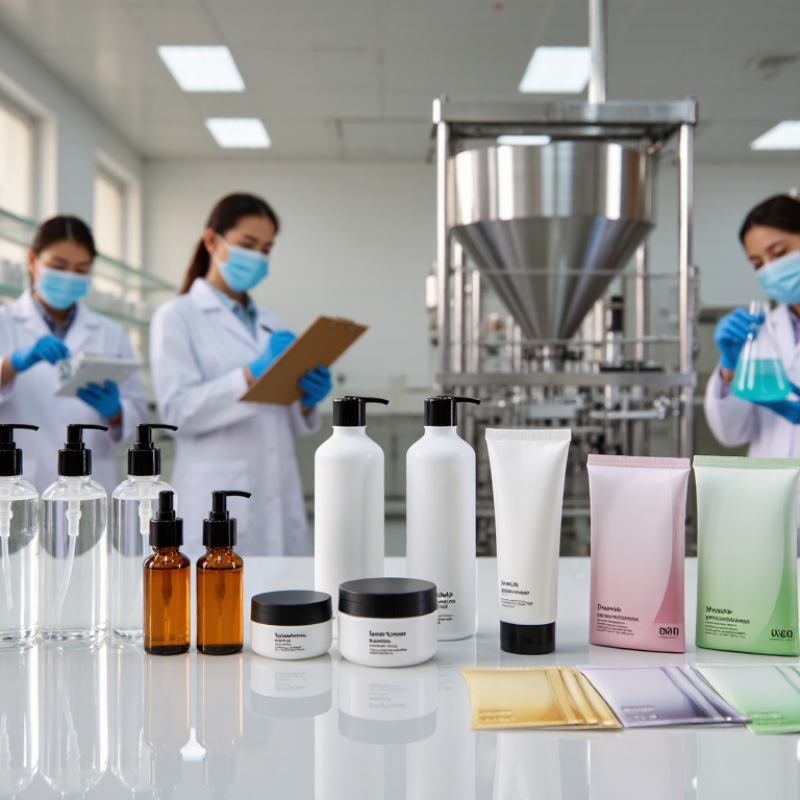
The phrase it skin care may appear in online searches, but buyers should focus on verified product quality rather than keywords alone. Factory visits, video audits, and independent testing can reveal details that brochures miss. Look closely at filling lines, warehouse conditions, label accuracy, and sample consistency. Small differences matter. One weak seal can damage a full shipment.

No supplier is perfect. Even experienced manufacturers may have delays, communication gaps, or limited support for new brands. This guide therefore encourages careful comparison, realistic expectations, and written quality requirements. The strongest partnerships usually develop through transparent discussions, trial orders, and continuous review. Cost matters, but reliability protects the brand long after the first purchase.

China Top Skin Care Suppliers for Global Buyers?

What Defines a Reliable Chinese Skin Care Supplier?

A reliable Chinese skin care supplier proves consistency before discussing price. In my supplier evaluations, I request samples from one production batch. I compare texture, scent, color, packaging, and filling weight. Small differences matter.

Professional suppliers provide clear ingredient lists and product specifications. They should explain preservative systems, stability testing, and storage conditions. Ask for batch records, certificates of analysis, and microbiological test results. Documents must match the actual product. Vague paperwork creates avoidable risk. A capable factory also explains its quality control process, from incoming materials to final inspection. It should welcome reasonable audits and answer technical questions without hiding behind sales language.

Communication reveals reliability. Does the supplier confirm sample changes in writing? Can it report a delayed raw material honestly? I value realistic production timelines more than impressive promises. Some factories respond quickly but miss details. That weakness deserves attention. Check export experience, packaging protection, labeling support, and manufacturing capacity before signing an agreement. Confirm that products can meet the destination market’s applicable cosmetic requirements. No supplier is perfect. However, a dependable partner records mistakes, corrects them, and shares preventive actions. That is stronger evidence than polished brochures.

Key Skin Care Manufacturing Hubs and Product Categories in China

China Top Skin Care Suppliers for Global Buyers?

China’s skin care supply base is regional, not uniform. Guangdong, especially Guangzhou and Huizhou, offers mature OEM clusters, packaging access, and export logistics. Zhejiang supports flexible production and fast sampling, while Jiangsu and Shanghai provide stronger links to formulation, testing, and advanced packaging. The National Bureau of Statistics reported China’s cosmetics retail sales at RMB 414.2 billion in 2023, showing substantial domestic demand.

Product categories differ by hub and factory. Facial cleansers, toners, creams, sunscreens, masks, and body care dominate everyday sourcing. Euromonitor International’s China beauty research continues to place facial care among the market’s largest categories.

Grand View Research estimated China’s skin care products market at about USD 42.76 billion in 2023.

These figures indicate scale, not automatic supplier quality. That distinction matters.

Global buyers should audit the details behind a quotation. Request INCI-based formulas, stability data, microbiological results, batch records, and documented quality systems. Check whether the factory controls filling, labeling, and final inspection or outsources them. Guangzhou may offer speed; Zhejiang may suit smaller trial runs. Yet this is not a fixed rule. I have found that low minimum orders can conceal weaker traceability, slower corrective action, or inconsistent samples. A factory visit still reveals what spreadsheets miss.

How to Evaluate Quality, Certifications, and Production Standards

China’s skincare manufacturing base is broad, but supplier selection requires evidence beyond attractive factory photos. McKinsey’s 2023 beauty report projected the global market could approach $580 billion by 2027. That growth increases pressure on factories to deliver consistent quality, not merely fast quotations.

Request ISO 22716-based procedures, current certificates, audit reports, and product-specific batch records. ISO 22716 covers personnel hygiene, equipment control, storage, production, and complaint handling. ISO’s 2023 Survey recorded 1,265,216 ISO 9001 certificates worldwide. However, certification alone does not prove strong cosmetic controls. A certificate can expire. Check its scope, issuing body, validity, and manufacturing address.

Ask for recent certificates of analysis, microbial results, stability data, and raw-material traceability. Confirm whether each batch receives a unique code linking ingredients, operators, equipment, and release decisions. During a video or on-site audit, inspect labeled quarantine areas, closed containers, calibrated scales, and temperature records. Look for practical discipline. Clean floors are not enough.

Independent testing can verify preservative performance, heavy-metal limits, viscosity, pH, and packaging compatibility. Production samples should match approved samples after transport and storage stress. I would also compare pilot and commercial batches, because scale-up often exposes hidden variation. No checklist is perfect. A careful buyer should record unanswered questions and review corrective actions before signing a supply agreement.

Private Label, Custom Formulation, and Packaging Options

China Top Skin Care Suppliers for Global Buyers?

Private Label, Custom Formulation, and Packaging Options

China’s skincare suppliers offer flexible routes for global buyers, from ready-made formulas to fully customized products. Private label projects often begin with an existing cream, serum, or cleanser. Buyers can then adjust fragrance, texture, color, and container size. A reliable supplier should provide ingredient lists, manufacturing records, and product testing documents. Request samples before discussing large quantities. Check absorption, scent, pump performance, and skin feel under normal conditions. Not every first sample performs well.

Custom formulation requires more communication and patience. Share your target skin type, market position, preferred ingredients, and product claims. A qualified technical team can assess formula stability, microbial safety, compatibility, and production feasibility. Avoid vague promises about dramatic results. Clear claims are easier to support with evidence and regulatory review. Ask how revisions are recorded and whether pilot batches are available. Test results matter.

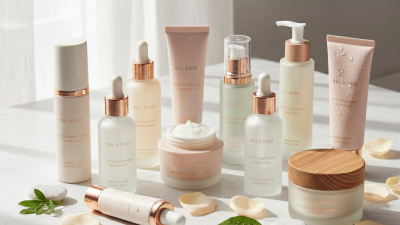
Packaging can include tubes, jars, bottles, pumps, cartons, and refill concepts. Airless pumps may help protect sensitive formulas, while transparent bottles improve visual appeal but may reduce light protection. Confirm material composition, decoration methods, color references, and closure compatibility. Small details often cause delays, especially mismatched caps or inaccurate label dimensions. I would also inspect sample packaging after transport, not only on a showroom table. A lower minimum order may seem attractive, but it can increase unit costs or limit customization. Careful comparison is necessary.

China Top Skin Care Suppliers for Global Buyers? - Private Label, Custom Formulation, and Packaging Options
Supplier Category Private Label Capability Custom Formulation Capability Typical MOQ Range Typical Development or Production Lead Time Packaging Options Common Documentation Best Suited For
Stock Formula Private-Label Manufacturer Ready-made formulas with customized labels, cartons, and product names. Limited adjustments may include fragrance, color, texture, or selected active ingredients, subject to stability and safety review. Approximately 500–3,000 units per SKU, depending on the formula and packaging. Sampling: about 7–20 days
Bulk production: about 30–60 days after approval and deposit
Tubes Jars Pumps Dropper bottles Pouches Ingredient list, product specifications, batch records, test reports, and safety documents where applicable. Start-ups, online sellers, beauty retailers, and buyers testing a new market.
Semi-Custom Formulation Manufacturer Private-label products based on an existing laboratory base with brand-specific modifications. Formulation changes can include active concentration, sensory profile, preservative system, viscosity, and fragrance-free options. Approximately 1,000–5,000 units per SKU; customized ingredients may increase the minimum. Laboratory samples: about 15–45 days
Bulk production: about 45–75 days after formula and packaging approval
Standard and premium airless pumps, glass bottles, aluminum tubes, PCR plastic, and mono-material packaging may be available. Formula specification, ingredient declaration, microbiological testing, stability testing, and packaging compatibility testing. Brands seeking product differentiation without commissioning a formula entirely from scratch.
Fully Custom Formulation Manufacturer New products developed according to a buyer’s concept, target market, claims strategy, and cost requirements. R&D may cover ingredient selection, dosage, texture, delivery system, fragrance, preservation, and prototype optimization. Approximately 3,000–10,000 units per SKU; some projects require a separate raw-material minimum. Formula development: about 2–6 months
Commercial production: commonly 45–90 days after final approval
Custom molds, airless packaging, refill systems, decorated glass, PCR materials, and customized secondary packaging may be offered. Technical data sheets, certificates of analysis, stability data, challenge-test results where relevant, and regulatory support documents. Established brands, clinically positioned products, specialized skin-care concepts, and long-term product programs.
Contract Manufacturing Partner Can manufacture buyer-owned formulas or jointly developed formulas under a manufacturing agreement. May provide pilot batches, process scale-up, filling validation, and manufacturing process optimization. Commonly 5,000–20,000 units per production run, depending on equipment and product type. Pilot production: about 30–60 days
Regular production: about 45–90 days after materials are ready
Support may include component sourcing, filling, labeling, coding, assembly, shrink-wrapping, and carton packing. Manufacturing specifications, batch manufacturing records, quality-control records, certificates of analysis, and audit support. Global buyers with proprietary formulas, forecasted volume, and defined quality-management requirements.
Natural or Botanical Skin-Care Manufacturer Private-label products featuring botanical extracts, plant oils, mineral ingredients, or naturally positioned formulas. Customization may focus on extract selection, essential-oil profile, low-fragrance systems, and naturally derived ingredients. Approximately 1,000–5,000 units per SKU, depending on raw materials and certification requirements. Sampling: about 15–45 days
Bulk production: about 45–75 days after testing and approval
Recyclable plastic, glass, paper-based cartons, aluminum containers, and low-ink packaging may be available. Botanical ingredient specifications, allergen information, microbiological testing, stability data, and certification documents when obtained. Clean-beauty, vegan-positioned, botanical, and environmentally focused product lines.
Dermocosmetic or Functional Skin-Care Manufacturer Private-label products may target concerns such as hydration, barrier support, oil control, pigmentation appearance, or sensitive skin. Development may involve selected functional ingredients, controlled pH, fragrance-free systems, and testing for product performance. Approximately 2,000–10,000 units per SKU, depending on the formula and testing program. Development and testing: about 2–6 months
Production after approval: about 45–90 days
Airless containers, opaque bottles, unit-dose sachets, pumps, tubes, and tamper-evident packaging may be available. Technical specifications, stability testing, microbiological testing, packaging compatibility data, and claim-support documentation where available. Pharmacy channels, professional skin-care lines, specialist retailers, and brands requiring a stronger technical position.
Packaging and Filling Service Provider Can fill and pack buyer-supplied or sourced formulas, with labeling and final assembly services. Usually does not develop formulas, but may support filling compatibility, viscosity checks, and packaging trials. Approximately 1,000–10,000 units per packaging format, depending on the equipment and component availability. Packaging trial: about 7–30 days
Filling and assembly: about 30–60 days after materials arrive
Bottles, jars, tubes, sachets, cartons, labels, inserts, gift sets, and multipack assemblies. Packaging specifications, incoming-material inspection records, filling records, artwork approval records, and finished-product inspection reports. Buyers that already own formulas and need flexible filling, assembly, or packaging support.
Export-Oriented Full-Service Manufacturer May combine product selection, formula customization, packaging sourcing, quality control, and export coordination. Customization level varies from stock-formula adjustments to complete product development. Approximately 1,000–10,000 units per SKU, with higher volumes often required for complex projects. Initial sampling: about 15–45 days
Standard production: about 45–90 days, excluding regulatory registration or special testing
Product packaging, multilingual labels, export cartons, barcode placement, shipping marks, and retail-ready sets may be supported. Commercial invoice, packing list, certificate of origin where applicable, product specifications, test reports, and export-related documents. Overseas distributors, importers, retailers, and buyers managing several markets or product categories.
The quantities, lead times, services, and documentation listed above are typical industry ranges for China-based skin-care manufacturing projects. Actual requirements vary by formula complexity, packaging materials, testing scope, order size, destination-market regulations, and supplier capabilities. Buyers should verify current specifications, certifications, product claims, and regulatory compliance directly with each shortlisted supplier.

What Global Buyers Should Know About Pricing and Export Logistics

China Top Skin Care Suppliers for Global Buyers?

Price comparisons often mislead global buyers. A factory quote may exclude packaging, stability testing, certificates, inland transport, and export documentation. Ask for an itemized FOB or EXW quotation. Request three production volumes, not one. This reveals how minimum order quantities affect unit costs. Small orders may carry higher packaging and setup fees. Payment terms also change the real landed price. That detail is easy to miss.

Sea freight remains central to international trade. UNCTAD’s Review of Maritime Transport 2023 states that shipping carries over 80% of global merchandise trade by volume. The World Bank’s Logistics Performance Index 2023 gave China a score of 3.7 out of 5, ranking it 19th globally. These figures suggest strong logistics capacity, but they do not guarantee smooth delivery. Buyers should confirm port schedules, carton dimensions, pallet plans, and buffer days before signing. Delays happen.

Use Incoterms clearly. CIF may look cheaper, yet destination handling fees can surprise buyers. DDP can simplify delivery, but tax and compliance responsibilities require careful verification. Check HS codes, product labels, ingredient files, and destination-market rules with qualified professionals. The OECD’s Trade Facilitation Indicators show that documentation and border procedures still influence trading costs. A practical plan includes pre-shipment inspection and tracked samples. I would not trust a polished quotation alone. Supplier audits, written specifications, and realistic lead times matter more.

China Skincare Supplier Planning Benchmarks for Global Buyers

The chart shows typical bulk FOB planning prices per unit for common skincare product categories manufactured in China. Actual pricing varies according to formula complexity, packaging materials, order volume, testing requirements, certifications, and customization. Buyers should also allow additional time for production, quality inspection, export documentation, customs clearance, and international shipping.

Prices are indicative market planning ranges in USD per unit and are not supplier quotations.

advanced-floating-content-close-btn

🌞 New! Sun Lover’s Facial – Now $125

 Pamper Your Sunburned Skin with this Luxurious treatment. It will leave your skin hydrated, strengthened, and less inflamed with less pain and irritation.

Book now and give your skin the care it deserves.

Schedule Your Appointment Today »

Text: 714-743-4914

Call Now Button