3606 E. Chapman Ave, Orange, CA 92869
Contact us: 714-743-4914

3606 E. Chapman Ave, Orange, CA 92869
Contact us: 714-743-4914
Beauty is moving beyond one-size-fits-all routines. Personalized skincare uses individual information to guide product choices, textures, and treatment goals. This information may include skin type, sensitivity, climate, age, lifestyle, and previous product reactions. A dry cheek in winter needs different support from an oily forehead in humid weather.
The idea sounds simple. The science is more complicated. Dermatologists can assess visible concerns, while trained formulators can match ingredients with realistic skin needs. Digital questionnaires and skin-analysis tools may improve this process, but they cannot replace professional diagnosis. A phone camera can show redness, yet it may miss allergy, infection, or deeper inflammation. Reliable brands should explain their testing methods, ingredient concentrations, and safety guidance clearly.
Personalized skincare also creates practical questions. Will customized formulas remain affordable? How securely will companies store facial images and health details? These concerns deserve serious attention as the market expands. My own view is cautious: customization can reduce wasted products and make routines easier, but it cannot promise perfect skin. Skin changes with stress, hormones, seasons, and medication. Results may take weeks, not days. Sometimes, less works better.
The future should be personal, evidence-based, and transparent. Consumers need clear expectations, patch-testing advice, and access to qualified professionals. Personalized skincare will earn trust when it combines convenient technology with careful human judgment. That balance may define the next era of beauty.

Personalized skincare means choosing products and routines for your skin’s current needs. It does not mean creating a perfect formula forever. Skin changes with age, weather, stress, sleep, medication, and hormonal shifts.
The process usually begins with a consultation, questionnaire, or skin assessment. A professional may review oiliness, dryness, sensitivity, breakouts, redness, and previous reactions. Some services also use photographs or digital tools. These tools can help, but they are not medical diagnoses. A qualified skincare professional should consider your history before suggesting active ingredients.
A practical routine often starts with gentle cleansing, moisturising, and daily sun protection. Targeted ingredients are then introduced slowly. For example, dry skin may need barrier-supporting ingredients, while blemish-prone skin may require careful use of exfoliating ingredients. More is not always better. Irritation can look like progress at first.
Tips: Keep a simple skin diary for two weeks. Record new products, symptoms, weather, and stress. Patch-test unfamiliar products before applying them widely. Introduce one change at a time, and wait long enough to judge the result. Personalized care can still involve trial and error. That is the part worth questioning. If persistent redness, pain, or severe breakouts appear, seek advice from a licensed medical professional rather than adjusting everything alone.
Healthy skin rarely follows a standard formula. It can feel oily at noon, tight after cleansing, and irritated by cold wind. Personalized skincare begins with these changing details, not with a popular routine.
In practice, a careful consultation can reveal useful patterns. A dermatologist may assess sensitivity, acne history, medication use, climate, and daily habits. A simple skin diary can also help. Record product use, redness, dryness, and breakouts for several weeks. Context matters.
Customized solutions should remain evidence-based and realistic. A professional may recommend a gentle cleanser, barrier-supporting moisturizer, sunscreen, or a targeted active ingredient. Patch testing is important, especially for reactive skin. Introduce one change at a time. Skin changes.
Personalization does not mean using more products. It may mean removing three products that cause stinging. It may also require adjusting a routine during winter or hormonal changes. Results take time. Some recommendations will fail, even after careful planning, because skin is unpredictable. That uncertainty deserves honest review rather than exaggerated promises. Regular professional guidance can refine the routine as the skin responds, while clear records make those decisions more reliable.
Personalized skincare is moving from broad skin types toward measurable, individual needs. Technology makes this shift more practical. Smartphone cameras can assess visible redness, dryness, and uneven texture under controlled lighting. Questionnaires can add age, climate, sleep patterns, and product history. Algorithms then compare these signals with ingredient research and usage outcomes.
The commercial case is strong. McKinsey reported in 2021 that 71% of consumers expect personalized interactions, while 76% feel frustrated when companies provide irrelevant experiences. In skincare, better data can reduce guesswork. A recommendation engine might suggest a gentle cleanser for a user in a dry winter climate, then adjust after two weeks of feedback. This is more precise than labeling every face “oily” or “sensitive.”
Still, precision has limits. Camera results can change with shadows, makeup, or phone quality. Algorithms may also repeat biased assumptions if their training data lacks diverse skin tones. Technology is not diagnosis. Human review remains important when irritation persists or symptoms worsen. The Global Dermatology Market Report by Grand View Research identifies artificial intelligence and digital consultation as growing influences, but adoption should not outrun evidence. Data privacy also deserves attention, especially when users upload facial images. Personalized care feels advanced, yet imperfect recommendations can still waste money or trigger discomfort. The system must learn from correction, not pretend to know everything.
How Technology Enables More Precise Skincare Recommendations
| Personalization Dimension | Validated Data Point | Technology Used | How It Improves Recommendations | Reference |
|---|---|---|---|---|
| Sun-response profile | The Fitzpatrick classification contains six skin phototypes, ranging from skin that usually burns easily to skin that tends to tan more readily. | Digital questionnaires, clinician assessment, and image-assisted analysis | Supports more relevant sun-protection guidance while reducing reliance on a single “one-size-fits-all” profile. | Fitzpatrick, T. B. (1975), Archives of Dermatology |
| Skin-barrier condition | Transepidermal water loss (TEWL) is reported in g/m²/h; elevated TEWL is commonly associated with increased water loss and a potentially weakened barrier. | Open-chamber or closed-chamber evaporimetry | Helps distinguish barrier-support needs from goals such as oil control or pigmentation care. | European Society of Contact Dermatitis measurement guidance |
| Skin hydration | Electrical-capacitance instruments can estimate the hydration of the outermost skin layer, but readings are instrument-specific and should be compared under standardized conditions. | Corneometry and connected hydration sensors | Allows recommendations to be adjusted according to current hydration rather than assumed skin type alone. | International guidelines for measurement of skin hydration |
| Surface acidity | Healthy skin is generally mildly acidic, with commonly reported surface pH values around 4.5–5.5, although values vary by body site and measurement method. | Flat-surface pH meters and dermatological sensors | Provides additional context when selecting cleansing and barrier-support routines. | Lambers et al. (2006), International Journal of Cosmetic Science |
| Sebum level | Sebum can be quantified as an amount per skin area, commonly expressed in µg/cm², using standardized sampling methods. | Photometric sebum measurement and image-based shine analysis | Helps separate recommendations for excess surface oil from recommendations for dehydration or dry-feeling skin. | European Group for Efficacy Measurement of Cosmetic Products guidance |
| Visible skin concerns | Digital images can capture observable features such as redness, uneven tone, texture, and visible spots; results depend on lighting, camera quality, and image standardization. | Computer vision, calibrated photography, and machine-learning classification | Creates a repeatable baseline for tracking changes over time and prioritizing routine goals. | Dermatology literature on digital image analysis and teledermatology |
| Environmental exposure | The Ultraviolet Index uses a numerical scale beginning at 1; values of 11 and above indicate an extremely high level of UV exposure. | Weather APIs, wearable sensors, and location-based exposure models | Enables recommendations to reflect changing exposure conditions instead of remaining static throughout the year. | World Health Organization, World Meteorological Organization, United Nations Environment Programme, and ICNIRP |
| Routine adherence | A skincare recommendation is more practical when it matches the user’s schedule, product tolerance, application habits, and stated concerns. | Preference questionnaires, reminders, feedback loops, and recommendation algorithms | Combines objective measurements with user behavior, making routines easier to follow and update. | Behavioral-science principles applied to adherence and self-care routines |
Note: Digital skin assessments are supportive tools rather than medical diagnoses. Measurement results can vary with lighting, temperature, humidity, body site, device calibration, and testing protocol.
Why Is Personalized Skincare the Future of Beauty?
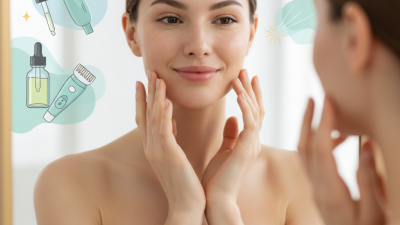
Personalized skincare builds routines around real skin, not a generic product shelf. At a bathroom mirror, this might mean one cleanser, a measured moisturizer, and fewer impulse purchases. McKinsey reported in 2021 that 71% of consumers expect personalization, while 76% feel frustrated without it. Although the research covered consumer experiences broadly, it shows strong demand for relevant advice. The benefit is practical. A simpler routine may improve consistency when dryness, oiliness, or sensitivity changes with the season.
Personalization can also reduce unnecessary steps. Questionnaires, lifestyle details, and climate data may help identify suitable textures and active ingredients. Grand View Research valued the global skincare products market at approximately 155.7 billion dollars in 2022. Its scale creates room for more precise consumer education and product selection. However, personalization is not automatically scientific. Many online assessments depend on unclear questions, poor lighting, or incomplete medical histories. The data is imperfect.
Skin is not static. Hormonal changes, medication, stress, and weather can quickly alter its needs. I would not trust a quiz alone, especially when persistent redness, pain, or sudden irritation appears. A qualified dermatologist can examine signs that an algorithm may miss. Privacy also deserves attention, because facial images and health details are sensitive information. Convenience is valuable, but confidence can be misplaced. Clear ingredient explanations, honest limitations, and regular reassessment make personalized routines more reliable.
Personalization has strong consumer appeal: 71% expect tailored experiences, 76% feel frustrated when they do not receive them, and 78% are more likely to repurchase after a personalized experience. However, these figures reflect consumers across industries rather than skincare alone. Personalized routines still depend on accurate skin assessments, consistent use, and responsible handling of personal data; they should not replace professional dermatological advice.
Source: Consumer personalization research published in 2021; percentages represent broad consumer findings, not individual brands or clinical outcomes.
Personalized skincare is moving beyond generic product categories. It may reshape the beauty industry through skin analysis, lifestyle data, and flexible product design. Instead of choosing a cream by age alone, consumers could receive guidance based on hydration, sensitivity, climate, sleep, and daily exposure. A dermatologist or trained skin professional can help interpret these details. Technology should support that judgment, not replace it.
This shift may also improve product development. Formulas could become more targeted, reducing unnecessary ingredients and unused products. Digital consultations may make expert advice easier to access, especially for people with limited local services. However, personalization is not magic. Skin changes with hormones, medication, stress, and weather. An algorithm can misunderstand redness or recommend too much. Data privacy also matters. The industry needs transparent testing, qualified oversight, and clear explanations before calling a routine “personalized.” More choice can still create confusion.
Pamper Your Sunburned Skin with this Luxurious treatment. It will leave your skin hydrated, strengthened, and less inflamed with less pain and irritation.
Book now and give your skin the care it deserves.
Schedule Your Appointment Today »
Text: 714-743-4914