3606 E. Chapman Ave, Orange, CA 92869
 Contact us: 714-743-4914
3606 E. Chapman Ave, Orange, CA 92869
Contact us: 714-743-4914

What Is Glow Skin Care and How Does It Work?
Glow skin care is a routine designed to support skin that looks hydrated, smooth, and naturally radiant. “Glow” is not a medical diagnosis, and it does not mean flawless skin. In practical terms, the approach usually combines gentle cleansing, moisturization, sun protection, and carefully chosen ingredients. Think of the comfortable feel of moisturized cheeks, not a promise to erase pores or spots. Results vary with skin type, environment, and consistency. Some popular routines also use exfoliating acids or vitamin C, but more products do not automatically mean better results.
There is a reason this topic attracts attention. McKinsey’s 2023 beauty-market report projected that the global beauty industry could reach about $580 billion by 2027, reflecting strong consumer interest across categories, including skin care. Market growth, however, is not proof that any product works. For practical guidance, the American Academy of Dermatology recommends broad-spectrum sunscreen with SPF 30 or higher, alongside moisturizer suited to the user’s skin. Those basics can help protect skin and reduce dryness, which may make its surface look brighter. Still, “glow” is a slippery word. Lighting, makeup, and social-media filters can shape what people expect. A realistic routine should feel comfortable, suit your skin, and avoid irritation—not chase a perfect finish. This guide explains what glow skin care includes, how common steps work, and how to make informed choices without overcomplicating daily care.
What Glow Skin Care Means and What It Aims to Achieve
Glow skin care describes a routine aimed at skin that looks hydrated, smooth, and naturally bright. “Glow” is not a medical diagnosis or a guarantee of flawless skin. It usually reflects light more evenly when the skin’s surface is comfortable and moisturized. Think of the soft sheen on a cheek after applying moisturizer, not an oily film or a filtered image. Skin type, age, health, and lighting all affect that appearance.
The goal is steady skin support, not instant transformation. Gentle cleansing removes sweat and residue; moisturizer helps reduce water loss; sunscreen limits UV damage. In a randomized trial published in Annals of Internal Medicine, Hughes and colleagues found that daily sunscreen use over 4.5 years was associated with 24% less skin aging than discretionary use. That result supports sun protection, but it does not mean sunscreen erases existing lines. Results vary. A routine can also become too complicated, and that is easy to overlook. Irritation may follow when too many active products are introduced at once. A practical approach is to add one product at a time and watch for persistent redness, burning, or peeling. “Glow” should not come at the cost of comfort.
What Is Glow Skin Care and How Does It Work? — What Glow Skin Care Means and What It Aims to Achieve
| Dimension | What It Means | How It Works | Practical Aim |
|---|---|---|---|
| Meaning of “glow” | A general description of skin that looks hydrated, smooth, and relatively even in tone. It is not a medical diagnosis or a guaranteed result. | Light reflects more evenly from a smoother, well-hydrated surface than from dry or flaky areas. | Support a healthy-looking appearance rather than change a person’s natural skin color. |
| Skin hydration | Maintaining water in the outermost layer of the skin, known as the stratum corneum. | Moisturizers may combine humectants, such as glycerin, with emollients or occlusive ingredients that soften skin and reduce water loss. | Help reduce tightness and rough, dry-looking patches. |
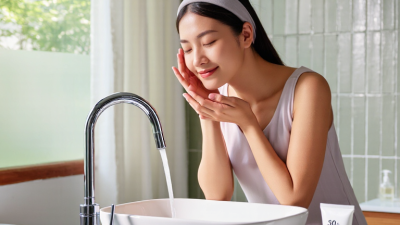
| Gentle cleansing | Removing everyday dirt, excess oil, sunscreen, and makeup without unnecessarily disrupting the skin barrier. | Mild cleansing agents lift away residue; lukewarm water and gentle handling can help limit irritation. | Leave skin clean and comfortable, not persistently tight or stinging. |
| Skin-barrier support | Care that helps maintain the outer barrier, which limits water loss and helps protect skin from external irritants. | Simple moisturizing routines and avoiding excessive scrubbing or too many irritating products can support barrier function. | Promote comfort and reduce dryness-related dullness or flaking. |
| Surface texture | The visible and tactile smoothness of the skin’s surface. | Some routines use carefully selected exfoliating ingredients to loosen dead surface cells. Too-frequent exfoliation can cause irritation. | Gradually improve the appearance of roughness while keeping the skin comfortable. |
| Even-looking tone | A more uniform appearance in areas affected by visible discoloration or post-blemish marks. | Consistent sun protection helps limit UV-related darkening. Certain topical ingredients may help improve the appearance of uneven tone over time. | Support a more even-looking complexion; results vary and typically take time. |
| Sun protection | Daily measures that reduce exposure to ultraviolet (UV) radiation. | Broad-spectrum sunscreen labeled SPF 30 or higher helps protect against UVA and UVB rays when used as directed; shade and protective clothing add coverage. | Help prevent sunburn and reduce UV-related skin damage and discoloration. |
| Routine consistency | Using a manageable routine regularly instead of frequently changing products. | A basic approach often includes gentle cleansing, moisturizer, and daytime sunscreen. New products can be introduced one at a time. | Make it easier to identify what suits the skin and maintain habits over time. |
| Realistic expectations | Understanding that “glow” is subjective and that skin naturally has pores, texture, and variation. | Skin appearance can be affected by lighting, sleep, environment, health, and individual skin characteristics as well as skin-care habits. | Focus on comfort and skin health rather than perfection or instant transformation. |
Note: Skin-care needs vary. Stop using a product that causes persistent burning, swelling, or irritation. For ongoing skin concerns, consult a qualified health-care professional.