10 Skin Care Tips for Aging Skin That Work

Aging skin often changes quietly: cheeks feel tighter, fine lines deepen, and a familiar cleanser suddenly stings. These changes are normal, but they deserve thoughtful care rather than aggressive correction. Effective skin care for aging skin begins with protecting the barrier, limiting daily sun exposure, and choosing products your skin can tolerate consistently.

Board-certified dermatologist Dr. Anjali Mahto describes sunscreen as “the single most important anti-ageing product.” Her advice reflects a practical truth. Ultraviolet exposure contributes to uneven pigmentation, collagen breakdown, and visible wrinkles. A broad-spectrum SPF 30 or higher can help protect exposed skin when applied generously and reapplied during prolonged outdoor activity. Sunglasses, shade, and a wide-brimmed hat add useful protection.

The ten tips in this guide focus on habits that fit real mornings and imperfect evenings. Think of lukewarm water, a gentle cleanser, moisturizer on slightly damp skin, and slow introduction of active ingredients. Retinoids, vitamin C, and exfoliating acids may support smoother-looking skin, but they can also cause dryness or irritation. More is not always better.

Consistency matters most.

Still, no routine works identically for everyone. Sensitive skin may need fewer products. Deeper pigmentation, persistent redness, or sudden changes deserve professional assessment. Patch testing can reduce surprises, although it cannot guarantee a reaction-free experience. This guide offers evidence-informed direction, not a promise of turning back time. Healthy-looking aging skin can be realistic, comfortable, and beautifully individual.
10 Skin Care Tips for Aging Skin That Work

Understanding How Aging Changes the Skin

Aging changes skin from the inside out. Collagen production declines, while elastin becomes less organized. A peer-reviewed report in the International Journal of Cosmetic Science describes thinner skin, reduced elasticity, and slower repair with age. The National Institute on Aging also notes increased dryness, fragility, and easier bruising. Your skin may need less foam and more patience.

Use a gentle, fragrance-free cleanser with lukewarm water. Avoid scrubbing, especially around the cheeks and eyes. Apply moisturizer while skin is slightly damp. Ingredients such as glycerin, hyaluronic acid, and ceramides can support hydration. Wear broad-spectrum SPF 30 or higher daily, even near windows. The American Academy of Dermatology recommends sunscreen to help prevent premature skin aging. Add a hat during long outdoor periods. Do not rely on cloudy weather.

Fine lines are not the only change. Dryness can make them look deeper. Reduced oil production may also weaken the skin barrier. A retinoid can improve texture, but irritation is possible. Introduce it slowly and seek professional advice, especially with sensitive skin. Patch-test new products. Keep the routine simple. I still overestimate what one product can repair overnight. That expectation needs questioning. Sleep, nutrition, smoking avoidance, and regular medical care also influence how skin ages. Persistent itching, sudden bruising, or wounds that heal slowly deserve a dermatologist’s evaluation.

10 Skin Care Tips for Aging Skin That Work — Understanding How Aging Changes the Skin

What the chart shows: Dermal collagen is commonly estimated to decline by about 1% per year after early adulthood. The values below are an approximate index, with collagen at age 20 set to 100 and compounded annually.

Practical Skin Care Tips

  1. Use broad-spectrum sunscreen with SPF 30 or higher every day.
  2. Reapply sunscreen after swimming, sweating, or prolonged outdoor exposure.
  3. Cleanse gently to help protect the skin barrier.
  4. Apply a moisturizer containing ingredients such as ceramides, glycerin, or hyaluronic acid.
  5. Consider a retinoid gradually to support skin renewal and reduce the appearance of fine lines.
  6. Use antioxidant-rich products, such as vitamin C, alongside daily sun protection.
  7. Avoid smoking, which can accelerate collagen breakdown and visible skin aging.
  8. Limit repeated tanning and unprotected ultraviolet exposure.
  9. Keep showers lukewarm and avoid harsh, heavily fragranced products if skin is dry or sensitive.
  10. Maintain adequate sleep, balanced nutrition, and regular medical skin checks.

Building a Gentle Daily Cleansing and Moisturizing Routine

10 Skin Care Tips for Aging Skin That Work

Building a Gentle Daily Cleansing and Moisturizing Routine

Aging skin often feels tight after washing because its barrier loses moisture more easily. The American Academy of Dermatology Association recommends a gentle, fragrance-free cleanser and daily moisturizer for dry skin. Use lukewarm water, not steaming water. Massage cleanser with clean fingertips for about 20 seconds, then pat your face dry. Do not scrub. A soft towel is enough.

Moisturize while your skin is still slightly damp. This helps reduce water loss from the outer skin layer. Choose ingredients such as glycerin, ceramides, hyaluronic acid, or petrolatum. A 2021 systematic review in Clinical, Cosmetic and Investigational Dermatology found that moisturizers consistently improved skin hydration across controlled studies, although results differed by formula. Apply a thin layer to the cheeks, around the mouth, and along the jawline. These areas often feel dry first.

Morning and evening routines can stay simple. In the morning, use cleanser, moisturizer, and broad-spectrum SPF 30 or higher. The National Institute on Aging identifies sun protection as an important part of healthy aging. At night, cleanse once and moisturize again. If skin stings, flakes, or becomes red, reduce cleansing frequency and review new products. I once assumed more products meant better care. That was wrong. Gentle consistency usually works better than a crowded shelf.

Protecting Mature Skin from Sun Damage Every Day

Sun protection is the most practical daily habit for aging skin. Years of outdoor walks taught me that one hurried morning can leave lasting color on the cheeks. Choose a broad-spectrum sunscreen with SPF 30 or higher. Apply it to your face, ears, neck, and the backs of your hands. Easy to miss. Use enough to create an even film, not a thin, invisible promise. Reapply every two hours outdoors, and sooner after sweating or swimming. No sunscreen blocks all ultraviolet radiation.

Sunlight can also reach skin through car windows and bright office glass. A wide-brimmed hat, protective clothing, and shade reduce exposure without relying on sunscreen alone. At midday, seek covered paths when possible. Mature skin may feel dry after cleansing, so apply sunscreen over a gentle moisturizer. Give it a moment. If a product stings, stop using it and ask a dermatologist about gentler options. Burning is not proof that it works.

Consistency matters more than chasing expensive formulas. I still miss my neck some mornings, especially when I am rushing. That mistake is useful feedback, not a reason to quit. Keep sunscreen beside your keys, and check your hands before leaving. Photoprotection cannot erase existing spots or wrinkles, but daily care may help limit further damage. Persistent dark patches, changing marks, or unusual irritation deserve professional evaluation.

10 Skin Care Tips for Aging Skin That Work - Protecting Mature Skin from Sun Damage Every Day

Tip Daily Action Recommended Frequency Key Protection Detail Why It Matters for Mature Skin Practical Measure Priority
1Use broad-spectrum sunscreen Apply a broad-spectrum sunscreen to the face, neck, ears, and exposed areas. Every morning, including cloudy days. Choose SPF 30 or higher and select water-resistant protection when swimming or sweating. UVA and UVB exposure contributes to wrinkles, uneven pigmentation, and loss of skin elasticity. Apply generously as the final morning skin-care step before makeup. Essential
2Reapply sunscreen outdoors Refresh sunscreen during extended outdoor activities. At least every 2 hours, and after swimming, sweating, or towel drying. Follow the product label, especially for water-resistant formulas. Sun protection can decrease over time because of sunlight, friction, moisture, and perspiration. Keep a small sunscreen container in a handbag, car, or travel kit. Essential
3Protect the eye area Wear sunglasses and apply sunscreen carefully around the orbital area, avoiding direct contact with the eyes. Whenever outdoors during daylight. Use sunglasses that block 99% to 100% of UVA and UVB radiation. The skin around the eyes is thin and more vulnerable to sun-related lines and discoloration. Choose wraparound or larger-framed sunglasses for greater side protection. High
4Wear protective clothing Cover the arms, shoulders, chest, and legs when practical. During prolonged outdoor exposure. Tightly woven fabrics and garments labeled UPF 30 or higher provide useful protection. Clothing reduces the amount of ultraviolet radiation reaching areas that may show sun damage. Use long sleeves, tightly woven fabrics, and a wide-brimmed hat. High
5Seek shade strategically Plan outdoor activities in shaded areas whenever possible. Especially around late morning and early afternoon. Shade lowers direct exposure but does not replace sunscreen or protective clothing. Reducing cumulative ultraviolet exposure helps limit photoaging and uneven skin tone. Use umbrellas, trees, covered patios, or shaded walking routes. High
6Cleanse gently Wash with a gentle, fragrance-free cleanser and lukewarm water. Once at night and after heavy sweating; cleanse in the morning if needed. Avoid harsh scrubbing, very hot water, and strong detergents. Mature skin often becomes drier and more sensitive because its protective barrier may be less resilient. Pat the skin dry instead of rubbing it, then moisturize promptly. Essential
7Moisturize consistently Apply a moisturizer that supports the skin barrier. At least once daily and after cleansing if the skin feels dry. Look for ingredients such as glycerin, ceramides, or hyaluronic acid. Hydration can reduce the appearance of dryness and improve comfort and skin softness. Apply moisturizer to slightly damp skin to help reduce moisture loss. Essential
8Introduce retinoids carefully Consider an over-the-counter retinol product or discuss a prescription retinoid with a dermatologist. Start 2 nights per week and increase gradually as tolerated. Use a small amount at night and wear sunscreen every morning. Topical retinoids can support skin-cell turnover and may improve the appearance of fine lines over time. Stop or reduce use if persistent burning, swelling, or severe peeling occurs; seek medical advice when needed. Targeted
9Support skin with antioxidants Use a well-tolerated antioxidant serum, such as one containing vitamin C, if appropriate for your skin. Usually once daily, according to product directions. Antioxidants complement sunscreen but cannot replace it. Antioxidants may help reduce oxidative stress associated with environmental exposure. Patch-test new products and introduce one active ingredient at a time. Optional
10Check changing skin spots Inspect the skin for new, changing, itching, bleeding, or non-healing spots. Perform a self-check monthly and attend professional skin examinations as advised. Use the ABCDE warning signs: Asymmetry, Border, Color, Diameter, and Evolving appearance. Long-term sun exposure increases the risk of actinic damage and skin cancer. Contact a qualified health professional promptly about suspicious changes. Essential

Important: Sunscreen should be used together with shade, protective clothing, sunglasses, and avoidance of unnecessary midday sun exposure. Individual skin-care needs vary, so consult a dermatologist for persistent irritation, significant sun damage, or suspicious skin changes.

Choosing Ingredients That Support Firmness and Hydration

Aging skin often feels tight after cleansing, yet looks shiny by noon. That contradiction matters. Choose a gentle, fragrance-free cleanser, then apply humectants while skin remains slightly damp. Glycerin, hyaluronic acid, and panthenol attract water. They do not replace a damaged barrier.

Look for ceramides, fatty acids, and cholesterol in a moisturizer. These ingredients help reduce water loss and support the outer barrier.

A 2023 review in the International Journal of Dermatology linked barrier-focused care with improved hydration and comfort in mature skin. Use a pea-sized retinoid product at night if tolerated. Retinoids support collagen production, but irritation can undermine consistency. Start twice weekly. More is not always better.

Daily protection supports firmness more reliably than expensive correction. A randomized trial published in Annals of Internal Medicine found daily sunscreen users developed 24% less visible photoaging over 4.5 years. Select broad-spectrum SPF 30 or higher, and reapply during prolonged outdoor exposure.

Add vitamin C in the morning if your skin accepts it. Patch-test new products first. My own mistake was adding three active ingredients together; redness arrived before results. Skin needs time. Fine lines also reflect movement, dryness, and genetics, not one missing ingredient. Keep the routine small enough to follow on tired mornings.

Adjusting Skin Care Habits for Long-Term Results

Aging skin needs adjusted habits, not an overloaded shelf. Cleanse gently at night with lukewarm water. Avoid scrubbing, which can increase dryness and irritation. Apply moisturizer while skin remains slightly damp. This helps reduce tightness, especially after bathing. Choose formulas with glycerin, ceramides, or hyaluronic acid. Introduce one new product at a time. Skin changes slowly.

Daily sun protection deserves priority. The American Academy of Dermatology recommends broad-spectrum SPF 30 or higher. Reapply every two hours outdoors, especially after sweating. In a 2013 Australian randomized trial, 903 adults using sunscreen daily showed 24% less visible photoaging after 4.5 years. Cover your ears, neck, hands, and hairline. These areas are often missed.

Nighttime retinoids may improve fine lines, but irritation can derail consistency. Start two nights weekly, using a pea-sized amount on dry skin. Follow with moisturizer. Do not combine several strong actives immediately. Keep sleep, smoking avoidance, and adequate nutrition in the routine. The evidence is strongest for steady sunscreen use and prescribed retinoids. My own routine would still need correction: I often neglect my hands during busy mornings. That small gap matters. Stop products that cause persistent burning, swelling, or rash, and seek professional advice.

advanced-floating-content-close-btn

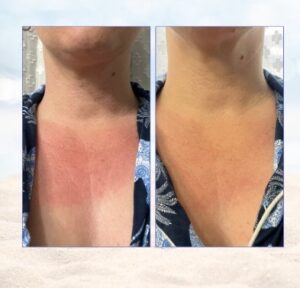
🌞 New! Sun Lover’s Facial – Now $125

 Pamper Your Sunburned Skin with this Luxurious treatment. It will leave your skin hydrated, strengthened, and less inflamed with less pain and irritation.

Book now and give your skin the care it deserves.

Schedule Your Appointment Today »

Text: 714-743-4914

Call Now Button