2026 Best Personalized Skin Care Routine Tips for Glowing Skin?
In today's beauty industry, the demand for a personalized skin care routine is on the rise. According to a recent report by Market Research Future, the global personalized skin care market is projected to reach USD 7.49 billion by 2025, reflecting an annual growth rate of 9.33%. Consumers are increasingly seeking tailored solutions that address their unique skin types and concerns.
This trend emphasizes the importance of customization. Generic products may fail to deliver desired results. Many skincare users struggle with products that irritate their skin or do not suit their needs. A personalized skin care routine can incorporate individual skin assessments and preferences, leading to healthier, glowing skin.
Moreover, advancements in technology allow consumers to create more effective routines. AI-driven tools analyze skin conditions and recommend products based on data. However, many still overlook the significance of patch testing new products. Finding the perfect regimen requires patience and experimentation. An effective personalized skin care routine is not just about immediate results; it also fosters long-term skin health and confidence.

Understanding Your Skin Type: The Foundation of a Personalized Routine
Understanding your skin type is crucial for a personalized skin care routine. According to the American Academy of Dermatology, nearly 80% of people experience some form of skin issue. This highlights the importance of identifying whether your skin is oily, dry, combination, or sensitive. Each skin type requires different ingredients and approaches. For instance, oily skin benefits from lightweight, oil-free products, while dry skin needs hydration and nourishment.
Many people don’t take the time to understand their skin. They may apply products that are popular or trendy, which can lead to adverse reactions. A study published in the Journal of Clinical and Aesthetic Dermatology found that 50% of participants were using incorrect products for their skin type. This not only wastes time and money but can exacerbate existing skin issues.
Conducting a simple skin test can help determine your type. Check oiliness in the T-zone or note dryness in cheek areas. Pay attention to how your skin reacts to different climates or products. The journey to glowing skin requires patience and testing. It's okay to experiment with different routines. Learning what works for you is a personal endeavor, but the rewards are worth it.
Skin Type Distribution for Personalized Skincare Routine
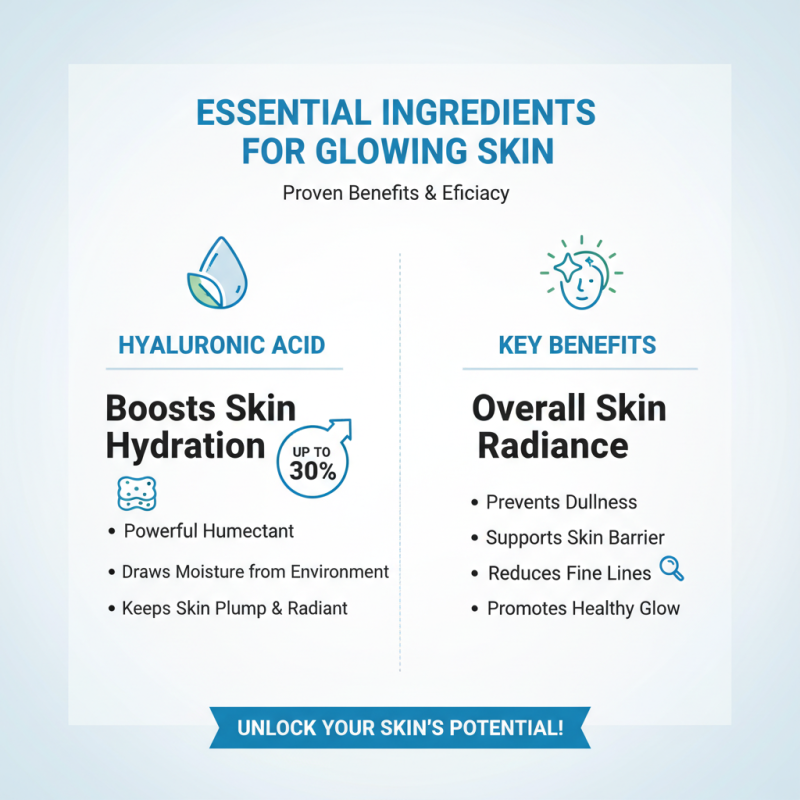
Essential Ingredients for Glowing Skin: Proven Benefits and Efficacy
Achieving glowing skin involves understanding essential ingredients. Research shows that hyaluronic acid boosts skin hydration by up to 30%. It's a powerful humectant, drawing moisture from the environment into the skin. People often overlook this aspect. Keeping skin plump is crucial for radiance.
Vitamin C is another vital ingredient. According to a report by the Journal of Clinical and Aesthetic Dermatology, it can brighten skin and reduce dark spots. Using it consistently can improve skin clarity. However, some individuals may experience irritation when starting with high concentrations. Adjusting the application frequency can help mitigate this.
Peptides are also noteworthy. These tiny proteins can stimulate collagen production, which firms and smooths the skin. A study indicated that using peptide-infused products led to a 20% improvement in skin elasticity after eight weeks. Yet, results vary per individual. Understanding one’s skin type is vital for tailoring the regimen effectively. Not everyone will see immediate effects; patience is essential in skincare journeys.
The Role of Consistency in Skincare: Data on Long-Term Results
Consistency is key to achieving and maintaining glowing skin. Many people start a skincare routine with enthusiasm but struggle to stick with it long-term. Data shows that visible results may not manifest overnight. It often takes weeks or even months for skin to respond to new products. A consistent regimen allows your skin to adapt and heal effectively.
Establishing a daily routine involves more than just applying products. It includes cleansing, moisturizing, and protecting your skin from harmful elements.
Small actions like consistent exfoliation or hydration can lead to significant improvements. However, many fail to dedicate time each day. Life gets busy, leading to missed steps.
Reflecting on these habits is crucial.
Understanding the value of commitment can transform your skincare journey. Aim for gradual improvements rather than instant results. Track your progress, but be kind to yourself.
Fluctuations in skin condition are normal. A long-term perspective is essential. Embrace the process, and over time, your skin will reflect your dedication and care.
Seasonal Adjustments: Tailoring Your Routine for Optimal Skin Health
Seasonal changes can significantly impact your skin's health. According to a study by the American Academy of Dermatology, skin issues often spike during seasonal transitions. In winter, cold air can lead to dryness and irritation. Adjusting your skincare routine to combat this is essential. Use thicker moisturizers during colder months, and consider adding a humidifier to your home.
In spring and summer, increased humidity might lead to breakouts. Switching to lightweight, oil-free products can help maintain balance. Insight from the Journal of Cosmetic Dermatology indicates that some ingredients, like hyaluronic acid, can retain moisture effectively without clogging pores. Keep an eye on your skin’s reactions. Regularly reassess your routine based on how your skin feels. You might find that your essentials need an update as the seasons shift.
The importance of SPF remains constant. Even on cloudy days, UV rays can cause skin damage. A study from the Skin Cancer Foundation reveals that daily SPF use can reduce skin cancer risk by 50%. Yet, many neglect this step. Reflect on your habits. Are you truly protecting your skin year-round? Tailor your routine thoughtfully; it will pay off in the long run.
Sun Protection Strategies: Statistics on UV Damage and Skin Aging
Sun protection is crucial for maintaining youthful skin. UV rays contribute significantly to skin aging. Studies show that 90% of visible skin aging is caused by UV exposure. This statistic highlights the importance of implementing sun protection strategies.
Regular sunscreen use can reduce the risk of sun damage. Data indicates that daily application of sunscreen can prevent up to 80% of skin cancer cases. Many people forget to reapply after swimming or sweating. This oversight can lead to severe consequences. Moreover, the American Academy of Dermatology recommends using a broad-spectrum sunscreen with an SPF of 30 or higher.
In addition to sunscreen, wearing protective clothing is vital. Image Hats and long sleeves can shield your skin from harmful rays. Yet, not everyone prioritizes this. A survey revealed that only 32% of people regularly wear protective clothing. This suggests a need for better education on UV dangers. People often underestimate the sun's impact during cloudy days, which can lead to unexpected damage.
 3606 E. Chapman Ave, Orange, CA 92869
 Contact us: 714-743-4914