China Top 10 Skin Peel Treatment Manufacturers
China’s skin peel treatment industry is moving from small cosmetic workshops toward documented, quality-controlled manufacturing. Grand View Research estimated the global chemical peels market at approximately USD 3 billion in 2023, with continued growth expected through 2030. The report links this expansion to rising demand for professional resurfacing and minimally invasive aesthetic care.
However, market growth does not automatically prove product quality. The American Academy of Dermatology warns that peel strength, skin type, aftercare, and practitioner skill strongly influence safety and results. Small details matter. A sealed bottle, clear ingredient label, batch number, and visible storage instructions can reveal a manufacturer’s discipline.
Dr. Tina Alster, a leading dermatologic surgeon and laser specialist, has stated, “Chemical peels are a safe and effective way to improve the appearance of the skin.” Her point requires careful interpretation. “Safe” depends on correct formulation and professional application. It is not a blanket promise.
This guide examines China’s top 10 skin peel treatment manufacturers through an evidence-focused lens. The comparison considers formulation consistency, quality-management systems, regulatory documentation, clinical support, packaging stability, OEM flexibility, and export experience. Available company information and third-party industry data guide the selection, but some public claims remain difficult to verify. That limitation deserves attention.
A reputable supplier should provide more than attractive marketing. It should explain acid concentration, pH range, intended use, contraindications, testing records, and post-treatment guidance. Manufacturers serving clinics, distributors, and medical-aesthetic brands must also demonstrate traceability. Results begin in the laboratory, not in the advertisement.
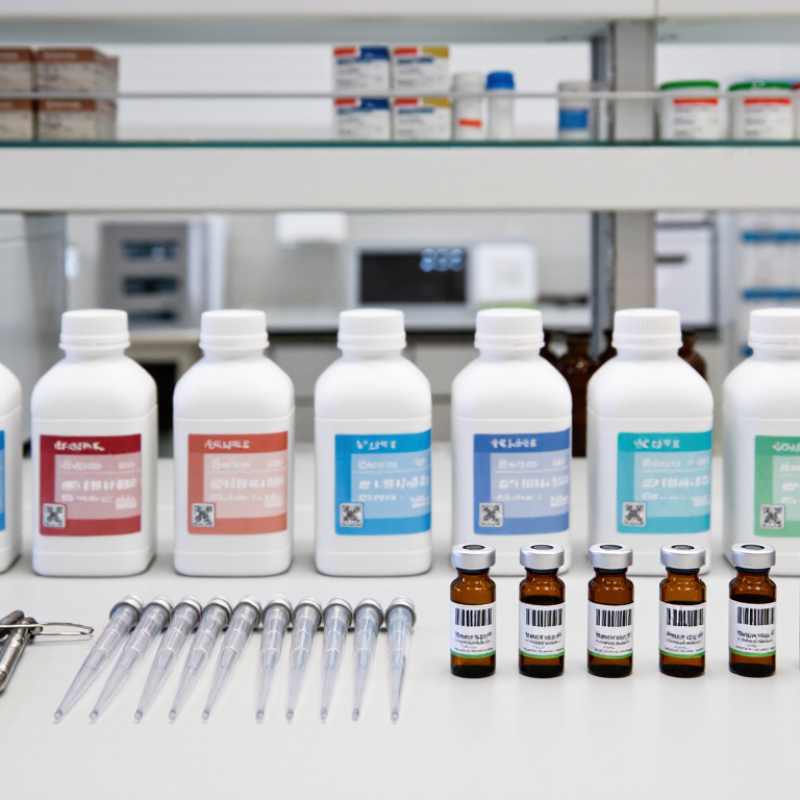
What Are Skin Peel Treatments?
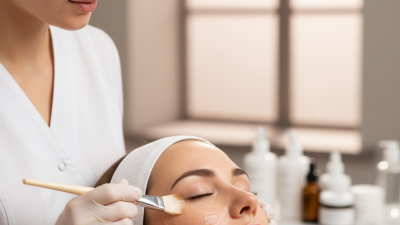
Skin peel treatments are controlled exfoliation procedures for the face, neck, or other selected areas. A trained professional applies a chemical solution that loosens damaged surface cells. The skin then sheds these cells gradually. Common formulas contain alpha hydroxy acids, beta hydroxy acids, or trichloroacetic acid. Each ingredient behaves differently.
Superficial peels may improve dullness, mild acne, and uneven texture. Medium-depth peels can address deeper pigmentation and fine lines, but they require closer medical supervision. Deep peels are less common and involve longer recovery. Treatment strength should match skin type, medical history, and the problem being treated. Stronger does not always mean better.
A responsible consultation matters. The practitioner should ask about recent sun exposure, active irritation, prescribed medicines, and previous reactions. Skin may feel warm, tight, or flaky after treatment. It may also become temporarily more sensitive to sunlight. Daily broad-spectrum sunscreen and gentle cleansing are essential. Do not pick peeling skin.
Manufacturers and clinics should provide clear ingredient lists, concentration details, storage guidance, and professional-use instructions. Reliable documentation supports safer decisions. Still, labels cannot replace clinical judgment. Results vary, and some pigmentation may return. That part is easy to underestimate. A patch test may reduce uncertainty, though it cannot predict every reaction. Good treatment often looks modest at first, with gradual improvement over several weeks.
How China’s Skin Peel Manufacturing Industry Is Evaluated
China’s skin peel manufacturing industry should be evaluated through evidence, not catalogue claims. Grand View Research estimated the global chemical peels market at about US$3.1 billion in 2023. Its forecast also indicates steady growth through 2030. This demand increases pressure on Chinese suppliers to prove consistency. Buyers should inspect batch records, ingredient traceability, stability data, and documented quality deviations. A clean production room matters. So does the corrective action after a failed test.
Manufacturers should also demonstrate compliance with applicable Chinese requirements and recognized quality systems, including GMP principles and ISO 22716 where relevant. TÜV Rheinland’s cosmetics industry reports emphasize controlled production, personnel training, and risk-based quality management. Independent laboratory testing should confirm acidity, concentration, microbiological limits, and packaging compatibility. Safety data sheets must match the actual formula, not an old template. Clinical evidence deserves careful review, especially when results come from small samples or short observation periods. That weakness is often overlooked.
Export readiness is another useful measure. UN Comtrade data can help compare China’s trade performance in cosmetic preparations, but trade volume does not prove product quality. It only shows movement. Factory audits, sample testing, complaint-response records, and supply continuity provide stronger evidence. No evaluation is perfect. Even experienced buyers can overvalue certificates and underestimate formulation changes between batches.
China’s Top 10 Skin Peel Treatment Manufacturers
China’s Top 10 Skin Peel Treatment Manufacturers
China’s top 10 skin peel treatment manufacturers should be assessed through evidence, not attractive catalogues. Experienced buyers examine ingredient identity, acid concentration, pH range, batch records, and stability data. Clear documentation matters.
Reliable manufacturers usually maintain controlled production areas and traceable quality systems. They should provide certificates of analysis for each batch. Independent laboratory testing can confirm strength, purity, and microbial safety. Packaging also deserves attention. An unsuitable container may allow light, heat, or air to affect the formula. Small details matter.
Professional suppliers often support product customization, but customization requires careful review. A stronger peel is not automatically a better peel. Intended users, skin sensitivity, application time, and aftercare instructions must remain clear. Manufacturers should explain testing limits instead of making dramatic promises. That honesty builds authority.
A practical assessment includes facility audits, sample evaluation, and communication checks. Ask how complaints are recorded and how recalls would be managed. Response quality reveals operational maturity. Some suppliers may present impressive technical files, yet omit long-term stability results. That gap deserves attention.
The market also changes quickly. A manufacturer ranked highly today may lose consistency later. Buyers should review current records, not rely on old reputation. Regulatory requirements differ across countries, so local compliance advice remains necessary. No shortlist is perfect. Careful verification still protects professional users and their clients.
China Top 10 Skin Peel Treatment Manufacturers
Professional skin peel formulations commonly use different active ingredients and concentration ranges. The chart below presents widely documented professional-use concentration benchmarks without displaying company or brand data.
Concentration ranges are commonly reported professional-use benchmarks. Actual formulations, permitted strengths, application protocols, and regulatory requirements vary by market and product classification.
Key Products, Ingredients, and Manufacturing Capabilities
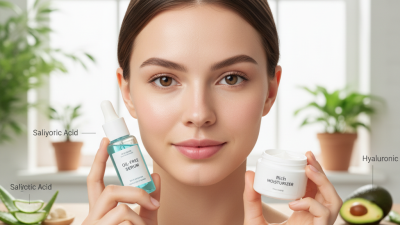
China’s top 10 skin peel treatment manufacturers typically supply professional-use and cosmetic exfoliation products. Their key products include liquid peels, gel peels, peel pads, serums, and post-treatment calming masks. Common active ingredients include glycolic acid, lactic acid, mandelic acid, salicylic acid, and gluconolactone.
Manufacturing capability matters as much as the ingredient list. Experienced facilities control acid concentration, pH, viscosity, color, and filling accuracy. Many use separate production areas for water-based and sensitive formulations.
Reliable suppliers should provide ingredient certificates, microbial testing, stability data, and batch records. Packaging trials also matter. An unstable pump can change the user’s experience.
Safety requires careful formulation, not impressive percentages. Professional manufacturers often test irritation potential, preservative performance, and compatibility with bottles or sachets. They may offer private formulation, small pilot batches, and scalable production. Some facilities use automated filling lines, while others depend heavily on manual inspection. That difference can affect consistency. No factory is perfect. A low quoted price may hide weaker testing or limited technical support. Buyers should review regulatory files, production licenses, audit results, and sample performance before placing large orders. A clear change-control process is also valuable when raw materials or packaging change.
 3606 E. Chapman Ave, Orange, CA 92869
 Contact us: 714-743-4914