3606 E. Chapman Ave, Orange, CA 92869
Contact us: 714-743-4914

3606 E. Chapman Ave, Orange, CA 92869
Contact us: 714-743-4914
Skin treatment refers to the professional and at-home methods used to improve skin health, appearance, or comfort. These methods may address dryness, acne, uneven tone, redness, fine lines, or sun-related damage. A treatment can involve cleansers, moisturizers, prescription products, chemical exfoliation, light therapy, or carefully performed clinical procedures. The right choice depends on skin type, medical history, lifestyle, and the specific concern being treated.
It works by supporting the skin barrier, removing excess surface buildup, regulating oil, or encouraging controlled renewal. For example, a moisturizer can reduce water loss and soften rough patches. A retinoid may influence cell turnover, but it can also cause irritation when introduced too quickly. Professional procedures often create a measured response in the skin, which may stimulate collagen or improve surface texture. Results vary. They are rarely instant.
Good care begins with an accurate assessment. A qualified dermatologist or licensed practitioner should review persistent rashes, painful acne, sudden pigmentation, or changing moles. Product labels, treatment strength, and aftercare instructions matter. So does sunscreen. Small details matter.
Personal experience can reveal useful patterns, such as stinging after a new serum or tightness after cleansing. Still, experience cannot replace clinical evaluation. Some popular routines sound convincing but lack strong evidence. Skin treatment should be practical, gradual, and adjusted when the skin reacts poorly. Improvement may be visible in a mirror, yet healthy skin is not always perfectly smooth. That expectation deserves reflection. Consistency usually matters more than dramatic promises.
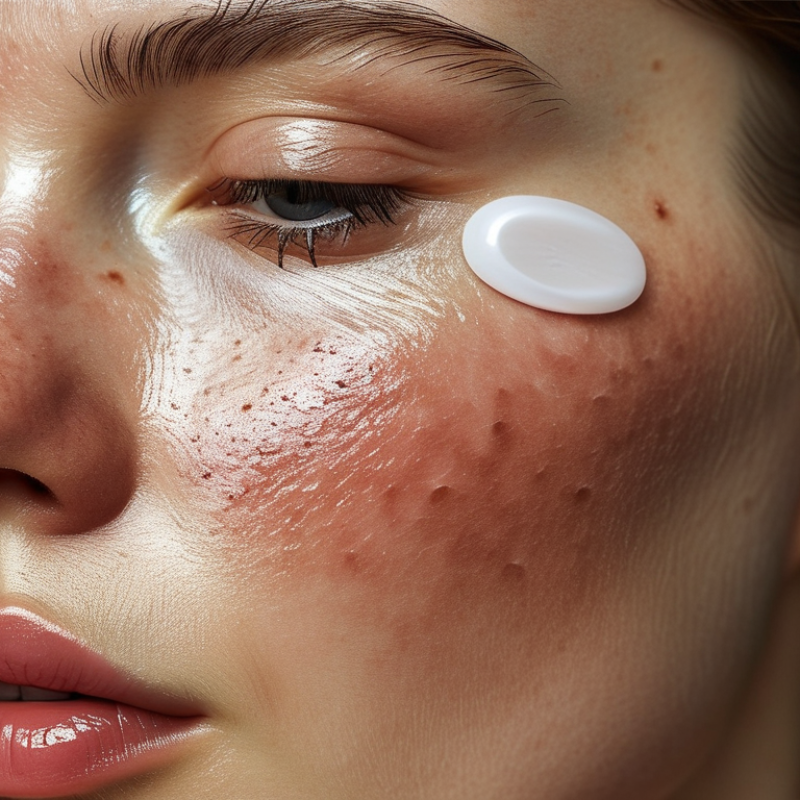
Skin treatment means caring for the skin with a specific purpose. It may address dryness, acne, uneven tone, redness, fine lines, or sun-related changes. The aim is not to create flawless skin. It is to support the skin barrier, improve comfort, and reduce visible concerns safely.
A suitable treatment begins with understanding the skin’s condition and the person’s goal. A professional may examine texture, sensitivity, oil production, and recent product use. Treatment can include gentle cleansing, moisturising, prescription care, controlled exfoliation, or in-clinic procedures.
Results depend on skin type, consistency, age, and underlying health. They often appear gradually. Some methods may also cause temporary redness or dryness. That part is easy to underestimate.
Tips: Use a gentle cleanser and apply moisturiser to slightly damp skin. Daily broad-spectrum sunscreen helps limit further sun damage. Introduce one new product at a time, then watch for stinging, swelling, or persistent irritation. Stop if the reaction worsens. A patch test can reduce surprises, although it cannot predict every response. Professional advice matters when acne is painful, pigmentation changes quickly, or irritation does not settle. Even experienced practitioners can misjudge a skin response, so careful follow-up remains important.
Skin treatment begins with assessment, not a product or procedure.
A qualified professional reviews your goals, medical history, medications, allergies, and previous reactions. They examine texture, redness, pores, pigmentation, oiliness, and visible lesions under consistent lighting. Sometimes, dermoscopy or non-invasive imaging helps reveal details that ordinary mirrors miss.
Acne affects up to 50 million people annually in the United States, according to the American Academy of Dermatology. That figure shows why generic routines can fail. A teenager with inflamed acne needs a different plan from an adult with post-inflammatory marks. The assessment may also consider the Fitzpatrick skin type, sensitivity, sun exposure, and the risk of uneven pigmentation. Treatment should match the concern, not follow a trend.
Numbers are useful, but imperfect.
A hydration meter can change with room temperature. A visual scale can vary between clinicians. Therefore, responsible providers combine measurements with symptom history and follow-up photographs. The 2023 ISAPS Global Survey recorded over 19 million non-surgical aesthetic procedures worldwide, highlighting growing demand for personalized care. Yet popularity does not prove suitability. A careful assessment identifies contraindications, sets realistic timelines, and explains possible irritation before treatment begins. Reassessment matters too, because skin can respond differently than expected.
Consider that an assessment is a starting map, not a final verdict.
Skin treatment includes medical care, daily protection, and appearance-focused procedures. It works by reducing inflammation, repairing the skin barrier, controlling pigment, or stimulating collagen. The correct choice depends on diagnosis, skin type, medical history, and treatment goals. The World Health Organization reported in 2023 that skin conditions affect about 1.8 billion people worldwide, so treatment is not merely cosmetic.
Topical treatments are usually the starting point. Moisturizers support a damaged barrier, while sunscreen reduces ultraviolet injury and pigmentation. Prescription retinoids may improve acne and fine lines. Anti-inflammatory medicines can calm eczema, but misuse may thin the skin. Chemical exfoliation removes surface cells and may brighten uneven tone. Results are gradual. Sometimes, slower is safer.
Procedural treatments include lasers, light therapy, microneedling, peels, and injectable treatments. They can target scars, redness, wrinkles, or persistent pigmentation. The International Society of Aesthetic Plastic Surgery’s 2023 survey recorded approximately 19 million nonsurgical aesthetic procedures worldwide. That figure suggests strong demand, but popularity is not proof of suitability. A trained clinician should examine changing moles, painful lesions, or sudden rashes before cosmetic treatment. Device settings also matter, especially for deeper skin tones, because excessive heat can worsen pigmentation. I would not treat every dark spot as harmless. Some need medical assessment first. A careful plan may combine sunscreen, a simple cleanser, one active ingredient, and review visits. More products do not always mean better skin.
Skin treatment works by changing how the skin’s surface and deeper layers behave. Cleansers remove oil, sweat, and surface debris. Moisturizers support the skin barrier by reducing water loss. Exfoliating ingredients loosen dead cells, which can make rough texture feel smoother. Some treatments reach deeper layers and encourage collagen production through controlled stimulation.
The skin does not respond instantly. It needs time. For example, acne treatments may reduce clogged pores gradually, while brightening products can take several weeks to show visible changes. A qualified dermatologist can select treatment based on skin type, medical history, sensitivity, and the cause of a concern. I once assumed stronger products worked faster. That was not always true. Irritation often interrupted progress and made the skin more reactive.
Tips: Apply products to clean, dry skin unless directions say otherwise. Use sunscreen during daytime, especially after exfoliation or procedures. Test a new product on a small area first. Stop if burning, swelling, or persistent redness develops. Keep a simple routine. Too many active ingredients can weaken the barrier. Results also depend on sleep, hormones, climate, and consistent use. Even careful routines can fail sometimes, so professional advice matters when symptoms continue.
Skin treatments work at different depths. The stratum corneum forms the main protective barrier, while topical products mainly influence the skin surface and epidermis. Treatments designed to stimulate collagen, such as controlled needling or energy-based procedures, are intended to reach the dermis, where collagen and elastin are produced. Skin thickness varies by body site, so these figures represent approximate values.
Approximate thickness of major skin layers
What Is Skin Treatment and How Does It Work?
Choosing a Safe and Suitable Skin Treatment
Skin treatment may target dryness, acne, uneven tone, redness, or early signs of aging. The safest choice depends on your skin condition, medical history, and daily routine. A glowing advertisement is not evidence. Safe care begins with an honest assessment. A qualified dermatologist can examine your skin and explain possible benefits, side effects, and limits.
Before treatment, mention allergies, pregnancy, current medicines, and previous reactions. Ask what the treatment does and how long results may take. A patch test can reduce risk, especially with new creams or active ingredients. Test a small area first. However, patch testing cannot predict every reaction. Avoid strong procedures before important events or intense sun exposure. Your skin may need time to recover.
Read the ingredient list carefully, and do not combine several powerful products without professional advice. If instructions feel confusing, pause and ask questions. Stop using a product if you notice swelling, blistering, severe pain, or breathing problems. Seek medical help when symptoms are serious. Results often require several weeks and consistent protection from sunlight. It is tempting to expect quick perfection, but no treatment works equally well for everyone. Even careful plans can fail, so reviewing progress with a professional is sensible. Skin changes over time, and your routine may need adjustment.
Pamper Your Sunburned Skin with this Luxurious treatment. It will leave your skin hydrated, strengthened, and less inflamed with less pain and irritation.
Book now and give your skin the care it deserves.
Schedule Your Appointment Today »
Text: 714-743-4914