China Top Skin Care Treatment Manufacturers

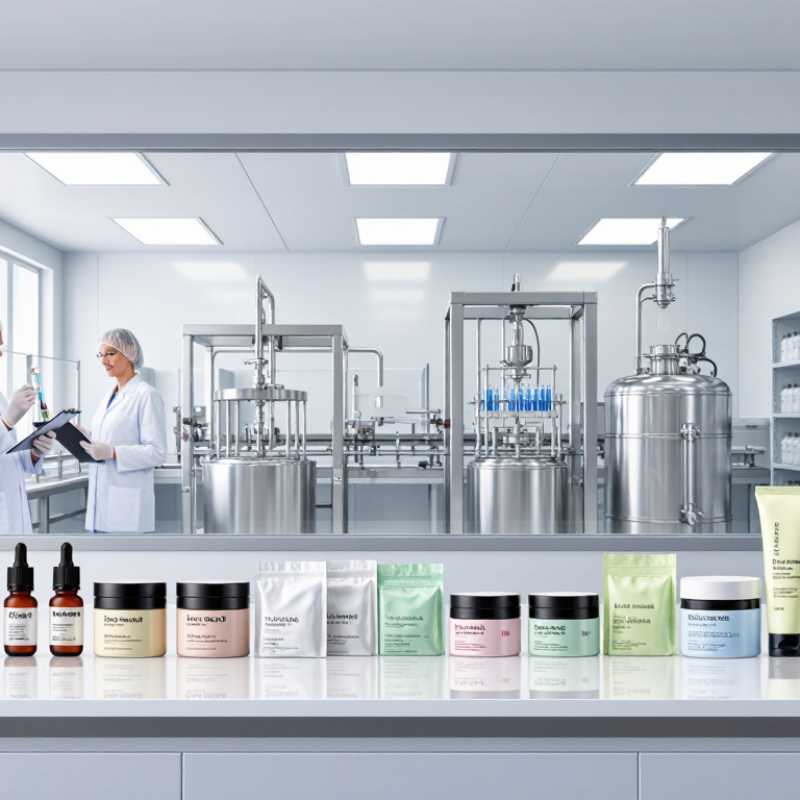
China’s leading skin care treatment manufacturers serve a fast-changing global beauty market. Their facilities produce serums, creams, masks, cleansers, and professional treatment formulas. Many manufacturers support private-label, contract manufacturing, and customized product development. However, “top” should not mean the largest factory or the lowest quotation.

Reliable evaluation requires more than attractive packaging. Buyers should examine ingredient traceability, formulation records, stability testing, microbiological controls, and batch documentation. Certifications such as ISO 22716 can indicate organized cosmetic manufacturing practices. They do not replace independent verification. A strong manufacturer should explain its testing methods clearly and provide practical samples for review.

Details matter.

A qualified research and development team can adjust texture, absorption, fragrance, and active ingredient levels for different markets. For example, a lightweight gel may suit humid climates, while a richer cream may support dry winter conditions. Manufacturers with export experience usually understand labeling requirements, product claims, and responsible safety communication. Yet every supplier has limitations. Some factories may present impressive facilities but offer weak communication after the initial order. Others may have strong formulas but limited production capacity.

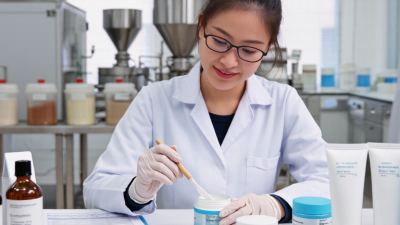
This guide introduces China’s top skin care treatment manufacturers through a careful, evidence-based lens. It considers product quality, technical expertise, manufacturing experience, compliance awareness, customization, and customer support. Readers should still request current certificates, production samples, audit records, and transparent quotations before making a decision. A factory tour can reveal useful details, including cleanroom procedures, filling lines, and how workers record each batch. Good partnerships develop slowly. Claims deserve verification.
China Top Skin Care Treatment Manufacturers

China’s Skin Care Treatment Manufacturing Sector Under the 2021 CSAR

China Top Skin Care Treatment Manufacturers

China’s skin care treatment manufacturing sector changed sharply under the 2021 CSAR. The regulation strengthened registration, filing, safety assessment, and production controls. Manufacturers must classify products correctly before market entry. Products with special claims may require registration, while ordinary skincare products generally follow filing procedures. “Treatment” needs careful wording, because cosmetics cannot replace medical care.

Experienced manufacturers now maintain detailed ingredient records and supplier documents. They also test product stability, microbial safety, packaging compatibility, and skin tolerance. Efficacy claims require supporting evidence, such as laboratory testing, user trials, or literature. Factory audits should examine clean areas, batch records, complaint handling, and recall procedures. These details often reveal more than a polished sales presentation. Some companies still underestimate the time needed for claim verification. That mistake deserves closer review.

Tips: Ask for current compliance files, not general certificates. Check whether the factory can explain each ingredient’s function and safety basis. Request sample batch records and testing methods. Confirm who manages registration, filing, Chinese labeling, and post-market monitoring. Requirements can evolve, so independent regulatory advice remains valuable. Good manufacturers should answer clearly, admit uncertainties, and correct weak documentation before production begins.

This chart shows key 2021 regulatory milestones that affected China’s skin care treatment manufacturing sector under the Cosmetics Supervision and Administration Regulation (CSAR). Values represent the number of calendar days elapsed from January 1, 2021, rather than company sales or production volumes.

NMPA Registration Rules for China’s Special-Use Cosmetics

China Top Skin Care Treatment Manufacturers

NMPA Registration Rules for China’s Special-Use Cosmetics

In China, special cosmetics require NMPA registration before production or import. The regulated categories include sunscreen, hair dye, hair perm, freckle-removing and whitening products, and anti-hair-loss cosmetics. Products claiming a new efficacy may also require registration. Children’s cosmetics follow separate requirements, so classification must be checked carefully.

A reliable manufacturer should prepare a complete technical dossier. It usually includes the formula, manufacturing process, product standards, safety assessment, stability data, testing records, and Chinese labels. Efficacy claims need suitable evidence, not attractive wording alone. Imported products also need a qualified domestic responsible person. The applicant must maintain accurate manufacturer information and respond to NMPA review requests through the official system.

Factory experience matters. Reviewers may examine raw material specifications, microbial controls, batch records, and packaging compatibility. Small inconsistencies can delay approval. A formula may pass a laboratory test yet need revision because its claim is too broad. This happens more often than expected. Clear records help, but they do not replace sound safety evidence. Manufacturers should also monitor post-market safety reports and update registration materials when formulas, production sites, or labels change.

ISO 22716:2007 Quality Systems in Chinese Skin Care Factories

China Top Skin Care Treatment Manufacturers

ISO 22716:2007 gives Chinese skin care factories a practical framework for cosmetic Good Manufacturing Practice. It covers personnel, premises, equipment, production, storage, quality control, and complaint handling. The standard does not replace Chinese regulations or customer audits. It creates repeatable habits on the factory floor.

A reliable manufacturer should show controlled water systems, calibrated filling machines, and documented batch release decisions. Operators should record temperature, humidity, cleaning status, and line clearance before production begins. Traceability must connect each raw material to its finished batch. According to IMARC Group, China’s skincare market reached about USD 40 billion in 2023, increasing pressure on factories to prove consistent quality. Scale alone proves little. A clean room can still fail through weak documentation.

Tips: Ask for recent ISO 22716 audit evidence, not only a certificate. Review sample batch records and complaint procedures. Check whether corrective actions have named owners and deadlines. Visit the production site when possible. Observe handwashing, material labeling, and quarantine areas. Small details matter.

The World Health Organization describes quality systems as processes that protect product consistency and patient safety. Cosmetic products are not medicines, but poor controls may still cause contamination, irritation, or incorrect labeling. No factory system is perfect. An honest supplier should explain deviations, testing limits, and improvement plans without hiding inconvenient findings. Supplier qualification, stability testing, and independent laboratory checks add useful assurance.

China Top Skin Care Treatment Manufacturers - ISO 22716:2007 Quality Systems in Chinese Skin Care Factories

Quality-System Area ISO 22716:2007 Focus Factory Control and Data Dimension Objective Evidence to Review
Quality Management System A documented system covering manufacturing, control, storage, and shipment of cosmetic products. Approved procedures, defined responsibilities, document control, and quality objectives. Quality manual, controlled SOP list, organization chart, and current revision records.
Personnel Competence Personnel should be suitably trained and have responsibilities appropriate to their activities. Training before independent work, role-based competency assessment, and hygiene instruction. Training matrix, attendance records, competency assessments, and health or hygiene procedures.
Premises and Hygiene Premises should be designed, maintained, and cleaned to prevent contamination and mix-ups. Zoning, personnel flow, material flow, cleaning schedules, pest control, and sanitation controls. Facility layout, cleaning logs, pest-control reports, environmental records, and maintenance records.
Equipment Management Equipment should be suitable for use, cleanable, maintained, and protected against contamination. Equipment identification, cleaning status, preventive maintenance, calibration, and approved operating procedures. Equipment register, calibration certificates, maintenance history, and cleaning verification records.
Raw Materials and Packaging Materials should be received, identified, sampled, tested or verified, approved, and stored under controlled conditions. Supplier approval, lot traceability, quarantine status, incoming inspection, and stock rotation. Approved supplier list, specifications, certificates of analysis, receiving records, and material status labels.
Water Quality Water used in production should be controlled according to its intended use and monitored for quality. Water-system maintenance, sampling plans, laboratory testing, sanitation, and trend monitoring. Water specifications, test reports, sampling records, sanitization logs, and deviation investigations.
Production Operations Manufacturing should follow approved instructions and prevent contamination, errors, and product mix-ups. Batch identification, line clearance, weighing controls, process parameters, and in-process checks. Master manufacturing instructions, batch records, line-clearance forms, and in-process inspection results.
Quality Control Laboratory Testing and evaluation should be performed using defined methods and suitable equipment. Sampling plans, approved specifications, method control, equipment calibration, and analyst qualification. Specifications, test methods, laboratory worksheets, results, reference standards, and calibration records.
Finished-Product Release Finished products should be released only after required production and quality-control activities are completed. Independent review of batch documentation, test results, packaging information, and release status. Release authorization, completed batch records, finished-product test reports, and retained-sample records.
Nonconforming Products Rejected, reworked, or returned materials and products should be identified, controlled, and dispositioned. Quarantine controls, documented investigation, approved rework instructions, and destruction authorization. Nonconformance reports, disposition approvals, rework records, and destruction certificates.
Deviations and CAPA Significant deviations should be recorded, investigated, assessed for impact, and followed by corrective action when necessary. Root-cause analysis, risk-based impact assessment, corrective and preventive actions, and effectiveness checks. Deviation reports, CAPA plans, investigation evidence, due-date tracking, and closure approval.
Change Control Changes that may affect product quality should be evaluated, approved, implemented, and documented. Assessment of changes to formulas, suppliers, equipment, processes, premises, and packaging materials. Change requests, risk assessments, approvals, validation or verification results, and post-change reviews.
Complaints and Recalls Consumer complaints should be recorded and investigated; recall arrangements should be established when required. Complaint classification, traceability from finished goods to materials, mock-recall capability, and regulatory escalation procedures. Complaint files, investigation reports, distribution records, recall procedures, and mock-recall results.
Internal Audits The quality system and operations should be periodically assessed for compliance and effectiveness. Risk-based audit planning, auditor independence, documented findings, and timely follow-up. Audit schedule, checklists, findings, corrective-action records, and closure verification.
Traceability and Records Records should be legible, identifiable, retrievable, protected, and retained for defined periods. One-step-back and one-step-forward traceability for materials, batches, packaging, and distribution. Batch genealogy, warehouse records, shipment documentation, archival controls, and record-retention procedures.

Reference note: ISO 22716:2007 provides guidelines for the production, control, storage, and shipment of cosmetic products. It does not establish universal numerical limits for every product; acceptance criteria should be defined through product specifications, process knowledge, applicable regulations, and documented risk assessment.

Active Ingredients, Formulation Types, and GB Standards for Treatment Products

China Top Skin Care Treatment Manufacturers

China’s skincare treatment manufacturers are shifting from broad promises to measurable ingredient systems. The 2024 iiMedia Research report estimated China’s cosmetics market at about RMB 516.9 billion in 2023. That scale increases pressure on laboratories to prove safety, stability, and performance.

Common active ingredients include niacinamide, salicylic acid, panthenol, ceramides, and vitamin C derivatives. Each needs a suitable delivery system. Water-based gels feel light on oily skin, while emulsions support dry, weakened barriers. Creams can protect better, but they may feel heavy in humid climates. Not every “high percentage” formula performs better. That point deserves more testing.

Manufacturers should verify raw-material identity, purity, microbial limits, and compatibility before pilot production. The Safety and Technical Standards for Cosmetics, issued by China’s NMPA, guide restricted ingredients, preservatives, testing, and safety assessment. Product labels should also follow relevant GB requirements, including ingredient naming and usage information. GB 5296.3 remains important for consumer product labeling, while GB 28050 can influence nutrition-style claims where applicable. Treatment wording requires caution, because cosmetic products cannot replace medical care. Stability testing should examine heat, light, packaging contact, and repeated opening. A good formula survives the bathroom shelf. Many still do not.

How to Evaluate Chinese Manufacturers by GMP, Testing, and Export Data

China Top Skin Care Treatment Manufacturers

Evaluating Chinese skin care treatment manufacturers requires more than reviewing product photos. Start with GMP evidence, not polished sales language. Request the current certificate, issuing authority, covered facility, and expiration date. Confirm that the certificate matches the actual factory address. A trading office may not control production.

During an audit, inspect clean rooms, water systems, temperature logs, and batch records. Ask how workers manage raw material quarantine and product recalls. Testing should include microbiological limits, stability studies, heavy metals, and packaging compatibility. Request recent certificates of analysis from several production batches. One perfect report proves little. Consistent records matter more.

Tips: Compare laboratory methods, sample numbers, and report dates. Check whether testing is performed internally or by an independent laboratory. Export data can reveal practical experience. Review customs records, destination markets, shipment frequency, and product categories. Repeated exports suggest operational stability, but they do not guarantee quality. I would also contact two recent buyers, if possible. Some factories look excellent during one visit, then provide incomplete documents later. That weakness deserves attention, not polite assumptions. Keep written audit findings and verify corrective actions before placing a large order.

advanced-floating-content-close-btn

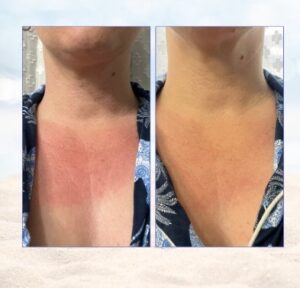
🌞 New! Sun Lover’s Facial – Now $125

 Pamper Your Sunburned Skin with this Luxurious treatment. It will leave your skin hydrated, strengthened, and less inflamed with less pain and irritation.

Book now and give your skin the care it deserves.

Schedule Your Appointment Today »

Text: 714-743-4914

Call Now Button