Why Knowing Your Skin Type is Essential for Effective Skincare?
Understanding your skin type is crucial for effective skincare. Each person's skin reacts differently to products and environmental factors. Identifying your skin type allows you to choose products tailored to your specific needs.
Many people make mistakes when selecting skincare items. They may follow trends or use products recommended by friends without considering their skin type. This can lead to irritation, breakouts, or dryness.
For instance, oily skin requires lightweight, oil-free products. On the other hand, dry skin benefits from richer, more hydrating formulations. Recognizing the nuances of your skin type helps you avoid trial and error. It saves time and money in the long run. By embracing your unique skin type, you set the foundation for a healthier complexion.
Understanding Different Skin Types and Their Characteristics
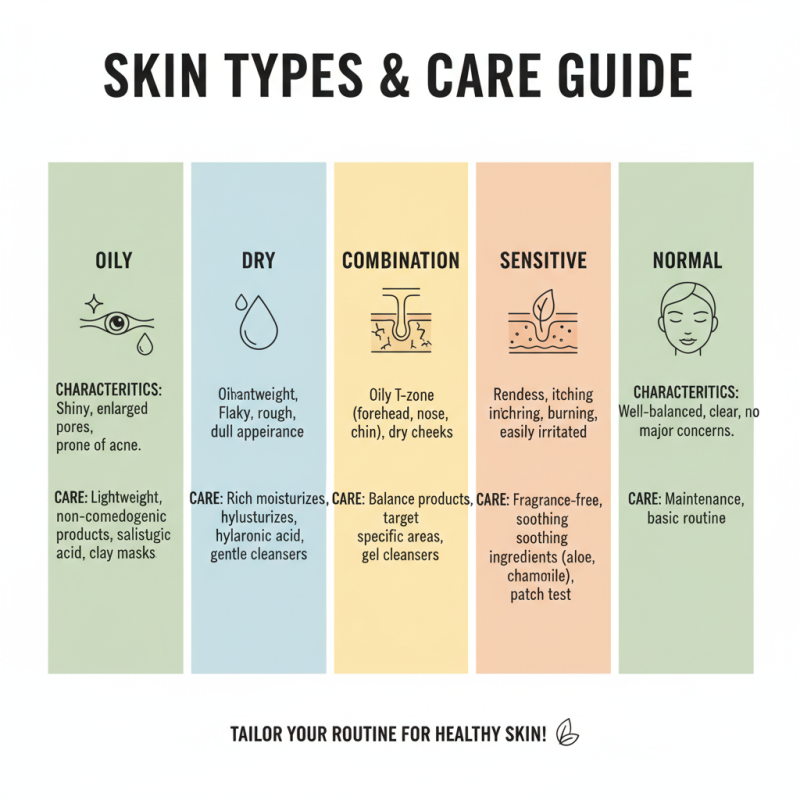
Understanding your skin type is crucial for tailored skincare. Skin types generally fall into five categories: oily, dry, combination, sensitive, and normal. Each type has unique characteristics and requires different care. Oily skin can lead to acne, while dry skin might appear flaky and rough. Combination skin can be tricky, often oily in the T-zone and dry elsewhere.
Tips for identifying your skin type:
- Wash your face and wait an hour.
- Check for oiliness or dryness.
- Observe how your skin reacts to products.
Sensitive skin reacts easily to products. It may become red or irritated quickly. Regular use of the wrong products can worsen these issues. Normal skin is balanced and can handle a variety of products. However, it can still experience changes due to weather or stress.
Recognizing your specific skin type is a continuous process. Changes in environment or diet can alter how your skin behaves. Adjusting your skincare routine based on these changes is crucial. Don't be afraid to experiment with different types of products. Finding the right balance is often about trial and error.
The Importance of Skin Type in Choosing Skincare Products
Understanding your skin type is vital for effective skincare. Different skin types react uniquely to various products. For instance, oily skin may thrive on light, gel-based formulas, while dry skin benefits from richer, creamier textures. This contrast highlights the significance of choosing the right products.
Many people use products without knowing their skin type. This often leads to breakouts or irritation. A good skincare routine requires knowing if your skin is oily, dry, combination, or sensitive. A simple test is to observe how your skin feels throughout the day. Is it tight, shiny, or flaking? These observations guide your choices.
Using the right products can transform your skin. However, trial and error is common. It takes time to understand what works best for you. Looking out for your specific needs is essential. Always listen to your skin’s signals. Sometimes, you’ll make mistakes, but that’s part of the process. Adapt and adjust as you learn more about your skin.
How Skin Type Affects the Skin's Response to Treatments
Understanding your skin type is crucial for effective skincare. Different skin types react uniquely to various treatments. For instance, dry skin often becomes irritated with harsh ingredients. On the other hand, oily skin may experience increased breakouts with heavy creams.
According to a study by the American Academy of Dermatology, recognizing your skin type can enhance treatment effectiveness by over 50%. This knowledge empowers individuals to choose products that cater to their specific needs.
The response of skin to treatments can vary significantly. Sensitive skin might react negatively to certain acids used in exfoliation.
A report from the Journal of Dermatological Science indicates that approximately 60% of people experience some form of irritation when using unsuitable products. This highlights the necessity of a tailored approach. Understanding how each skin type behaves helps in avoiding common pitfalls. For example, those with combination skin may struggle to find balanced products. Acknowledging these differences ensures a more effective and personal skincare routine.
Common Misconceptions About Skin Types and Skincare
Understanding skin types is crucial for effective skincare. Many people hold misconceptions about their skin. For instance, oily skin is often seen as a problem. In reality, it may just need the right balance of moisture. Similarly, dry skin isn’t always due to lack of hydration; it can also be sensitive or reactive. These misunderstandings can lead to using inappropriate products, which may worsen the condition.
Another common fallacy is that all skin can handle the same ingredients. Some believe that a universal product is the answer. However, this is rarely the case. Each skin type reacts differently to various elements. For example, oily skin could benefit from lightweight products, while dry skin requires richer textures. It is essential to observe reactions over time and adjust accordingly.
People often skip the initial steps of assessing their skin type. They may dive directly into purchasing products. This can lead to frustration and disappointment. Taking the time to truly understand skin can prevent these pitfalls. Having a clear picture of what works can create a better routine. Pay attention to how your skin feels and reacts. Embrace the journey of learning about your unique needs.
Why Knowing Your Skin Type is Essential for Effective Skincare?
| Skin Type |
Characteristics |
Common Misconceptions |
Best Skincare Practices |
| Oily |
Shiny, larger pores, prone to acne |
"Oily skin doesn't need moisturizer" |
Use oil-free moisturizers and non-comedogenic products |
| Dry |
Flaky, tight, dull appearance |
"All dry skin needs is a heavy cream" |
Hydrate and exfoliate regularly |
| Combination |
Oily in some areas, dry in others |
"Combination skin is the same everywhere" |
Tailor products for different areas |
| Sensitive |
Easily irritated, redness, burning sensation |
"All skincare is harsh on sensitive skin" |
Use soothing and gentle products |
| Normal |
Balanced, no severe dryness or oiliness |
"Normal skin doesn't need special care" |
Maintain with regular skincare regimen |
Tips for Identifying Your Skin Type Accurately
Understanding your skin type can make a huge difference in your skincare routine. To identify your skin type accurately, start by cleansing your face gently. After washing, wait for about an hour without applying anything. Take note of how your skin feels. Is it tight and dry, oily and shiny, or just right? Pay attention to the areas that are problematic. For example, dry patches or an oily T-zone can provide clues.
Another tip is to examine how your skin reacts seasonally. Does it become flaky in winter? Is it prone to breakouts in summer? These observations can help you assess your skin type more accurately. Sometimes, your skin may not fit neatly into one category. You might have combination skin, which has both dry and oily areas. Embrace this complexity and allow it to guide your product choices. It’s not always straightforward, and sometimes it takes trial and error to find what works best for you. Keep a journal of your observations, and don’t be afraid to reflect on your experiences.
Skin Type Distribution Among Participants
 3606 E. Chapman Ave, Orange, CA 92869
 Contact us: 714-743-4914