What is an Esthetician Chemical Peel and How Does it Work for Skin Rejuvenation
An esthetician chemical peel is a popular skincare treatment designed to enhance skin appearance and promote rejuvenation. Utilizing a combination of chemical solutions, this method works by exfoliating the outer layers of skin, allowing newer, healthier skin to emerge. As more individuals seek effective ways to combat aging, sun damage, and acne scarring, understanding the benefits and mechanisms of an esthetician chemical peel becomes increasingly vital.
In essence, the esthetician chemical peel involves the application of a specific chemical solution, which penetrates the skin at various depths, depending on the desired outcome. This treatment can result in improved skin texture, diminished fine lines, and a more vibrant complexion. Often performed by trained professionals in a clinical setting, esthetician chemical peels can be tailored to individual skin types and concerns, ensuring personalized care. As the skincare industry continues to evolve, chemical peels stand out as a promising option for those wishing to refresh their skin and boost their confidence.
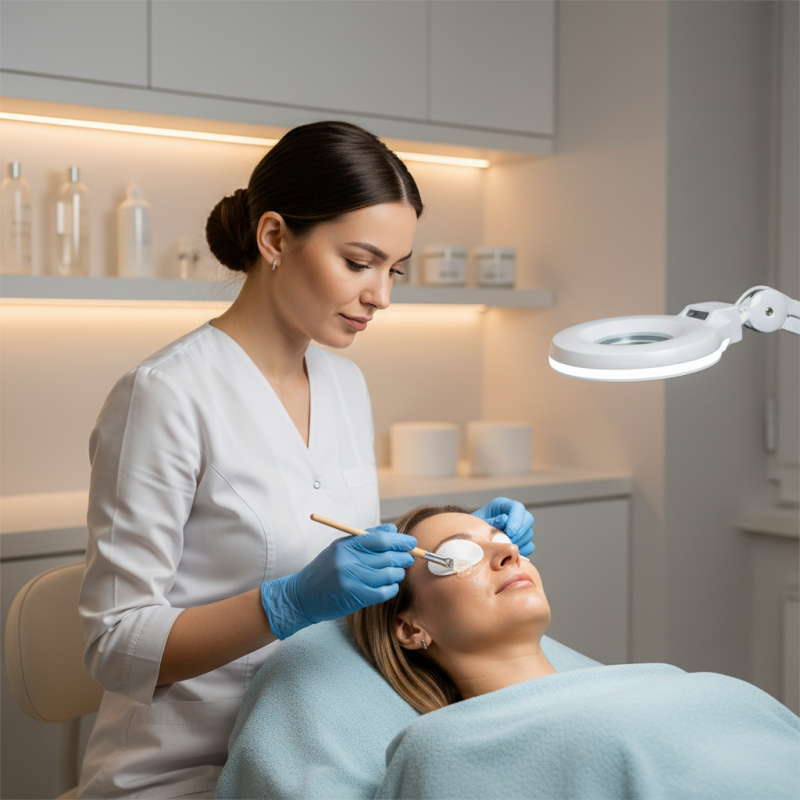
What is an Esthetician Chemical Peel and Its Types for Skin Rejuvenation
An esthetician chemical peel is a popular skincare treatment that utilizes chemical solutions to exfoliate the outer layers of the skin, promoting a more youthful and rejuvenated appearance. The process involves applying a solution that can vary in strength and ingredients, depending on the desired outcome. There are three main types of chemical peels: superficial, medium, and deep. Superficial peels use mild acids, like alpha hydroxy acids (AHAs), to gently exfoliate the skin, making them suitable for all skin types and ideal for a quick refresh. Medium peels penetrate deeper, often using trichloroacetic acid (TCA) to address concerns such as age spots and fine lines. Finally, deep peels, which typically use phenol, are designed for significant skin issues, including deep wrinkles and scarring, but require more downtime for recovery.
Each type of chemical peel serves unique purposes and targets different skin concerns. Superficial peels are wonderful for individuals looking to improve skin texture and tone with minimal side effects. Medium peels are effective for addressing more pronounced aging signs, while deep peels can provide dramatic results but come with a longer healing process. As a result, estheticians carefully evaluate each client's skin type and specific needs before recommending a suitable peel. Understanding these options allows individuals to make informed decisions about their skincare routines and achieve optimal results from rejuvenation treatments.
Types of Esthetician Chemical Peels and Their Popularity
This chart illustrates the popularity of different types of esthetician chemical peels based on usage percentages. AHA Peels are the most commonly used, followed by Enzyme Peels and BHA Peels, indicating a preference for peels that promote exfoliation and skin rejuvenation.
The Science Behind Chemical Peels: How They Work on Skin Layers
Chemical peels are a popular dermatological treatment that promotes skin rejuvenation by exfoliating the outer layers of the skin. This process involves the application of a chemical solution that seeks to improve the texture and appearance of the skin. The science behind chemical peels focuses on the interaction between the active ingredients and the skin layers, resulting in the shedding of damaged skin cells. The peel works primarily on the epidermis, which is the outermost layer, and can also penetrate into the dermis depending on the strength of the solution used.
One of the key mechanisms is the stimulation of collagen production in the deeper skin layers. As the chemical peel removes the dead and damaged skin layers, it triggers a healing response within the body, stimulating the production of new, healthy skin. The result is a fresher, smoother complexion, and a reduction in issues like fine lines, sun damage, and acne scars.
Tips: Before undergoing a chemical peel, it’s important to consult with a qualified professional to assess your skin type and determine the most suitable peel for your needs. Aftercare is crucial; always follow post-peel instructions, which might include moisturizing regularly and using sunscreen to protect the newly revealed skin. Additionally, consider starting with a lighter peel to gauge your skin's tolerance and response before progressing to deeper treatments.
Potential Benefits of Chemical Peels for Skin Rejuvenation
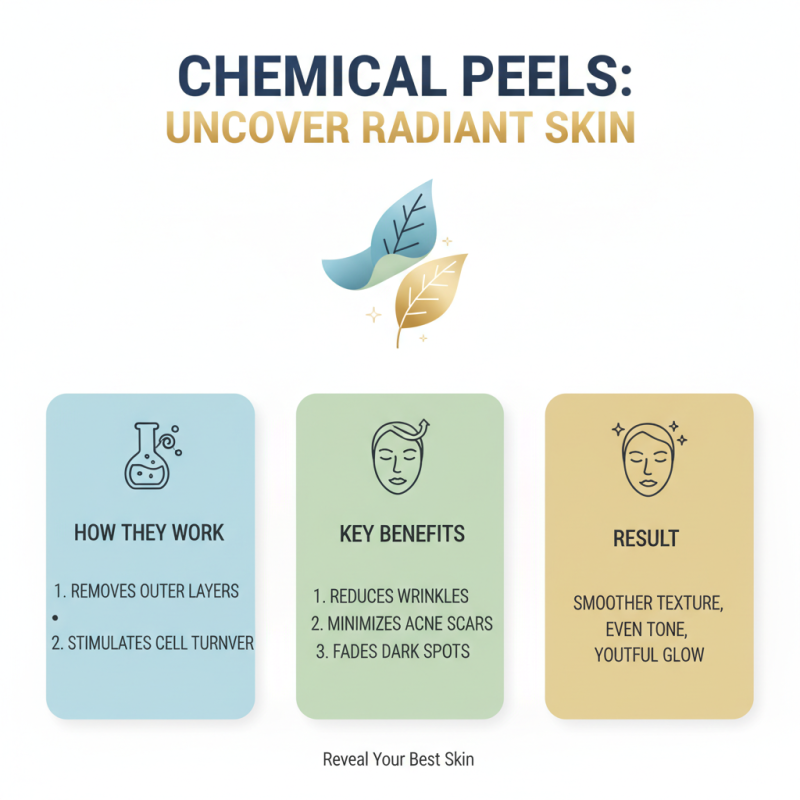
Chemical peels are a popular skincare treatment designed to rejuvenate the skin by removing the outer layers to reveal smoother, healthier skin underneath. One of the primary benefits of chemical peels is their ability to significantly improve various skin concerns. This includes reducing the appearance of fine lines and wrinkles, minimizing acne scars, and addressing hyperpigmentation. By stimulating cell turnover, chemical peels can enhance skin texture and tone, resulting in a more youthful and radiant appearance.
Additionally, chemical peels offer a versatile approach to skin care, catering to different skin types and concerns. Superficial peels are relatively gentle and are ideal for those seeking to address mild issues like dryness and dullness. In contrast, medium to deep peels can be more effective for tackling severe damage, such as deep-set wrinkles or significant acne scars. This variability allows estheticians to tailor treatments based on individual needs, optimizing the skin rejuvenation process while minimizing downtime and recovery discomfort. Overall, the potential benefits of chemical peels make them a valuable option for anyone looking to enhance their skin's appearance and health.
Risks and Considerations: Safety of Chemical Peels in Skin Care
Chemical peels are a popular skin treatment that can effectively rejuvenate and enhance the skin's texture and appearance. However, opting for this procedure requires an understanding of the associated risks and considerations to ensure safety. According to the American Society of Plastic Surgeons, over 1.3 million chemical peel procedures were performed in the U.S. in 2020, highlighting the significance of skin health in aesthetic treatments.
One of the main risks associated with chemical peels is skin irritation, which can manifest as redness, flaking, or sensitivity following the procedure. In more severe cases, patients may experience scarring, changes in skin pigmentation, or infection. It is critical for individuals with darker skin tones to consult with a qualified esthetician or dermatologist, as they may be at a higher risk for post-inflammatory hyperpigmentation. Performing a patch test prior to the full treatment can also help gauge skin reactions and prevent adverse effects.
Tips: Always seek treatment from certified professionals who have a deep understanding of skin biology and peel formulations. Post-treatment care is equally important; following a gentle skincare regimen and using sun protection can significantly improve results and minimize risks. Additionally, adequate consultation beforehand allows for an evaluation of your skin type and desired outcomes, ensuring a tailored approach that prioritizes safety and efficacy.
What is an Esthetician Chemical Peel and How Does it Work for Skin Rejuvenation
| Aspect |
Details |
| Definition |
Chemical peel is a skin treatment that uses chemical solutions to improve and smooth the texture of the skin. |
| Purpose |
To rejuvenate the skin by removing damaged layers, promoting new skin growth. |
| Types of Peels |
Superficial, Medium, and Deep peels based on the depth of skin penetration. |
| Key Ingredients |
Common ingredients include AHAs (alpha hydroxy acids), BHAs (beta hydroxy acids), trichloroacetic acid (TCA), and phenol. |
| Benefits |
Reduces fine lines, improves skin tone and texture, and treats acne and pigmentation issues. |
| Risks |
Redness, swelling, peeling, scarring, and changes in skin color may occur. |
| Considerations |
Consult a licensed esthetician, consider skin type, and follow pre- and post-care instructions. |
| Aftercare |
Use sun protection, avoid harsh products, and keep skin moisturized post-peel. |
Post-Peel Care: Essential Steps for Optimal Skin Recovery
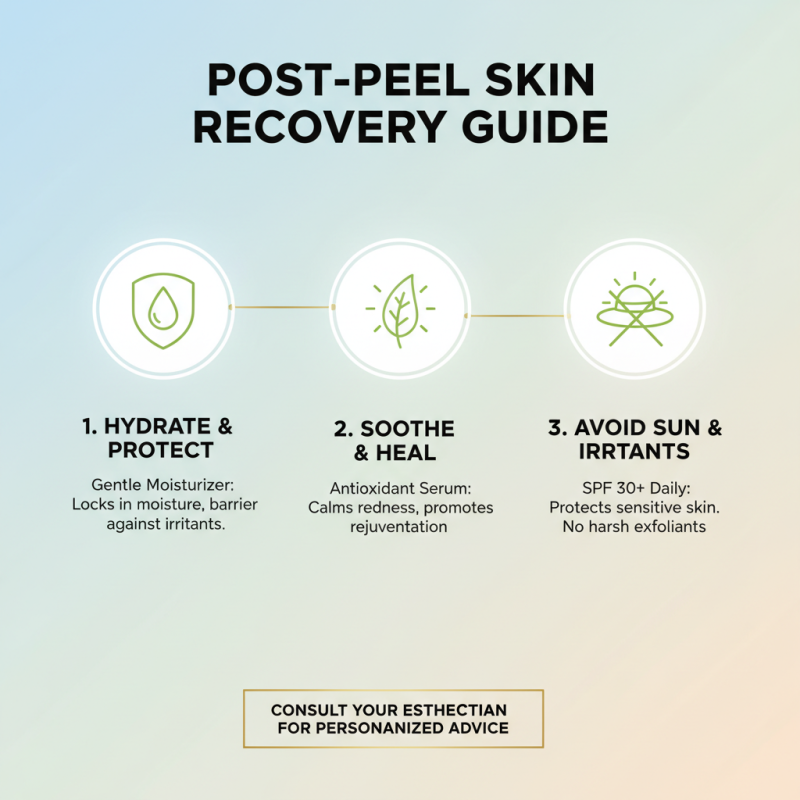
Post-peel care is crucial for ensuring optimal skin recovery after an esthetician chemical peel. Following the procedure, your skin will be sensitive and may exhibit redness or mild peeling, which is a normal response as the skin begins its rejuvenation process. One of the most important steps in post-peel care is to keep the skin hydrated. Using a gentle, hydrating moisturizer can help lock in moisture and create a barrier against potential irritants. Furthermore, applying a soothing serum rich in antioxidants can aid in calming the skin and promoting healing.
Another vital aspect of post-peel care is sun protection. After a chemical peel, your skin will be more vulnerable to UV damage, so applying a broad-spectrum sunscreen with at least SPF 30 is essential whenever you go outdoors. This protection should continue for several weeks following the treatment, as the newly revealed skin is particularly sensitive. Additionally, avoid harsh chemicals or exfoliants during the recovery phase, as these can irritate the skin and impede the healing process. By following these essential steps, you can enhance the results of your chemical peel and enjoy a smoother, more radiant complexion.
 3606 E. Chapman Ave, Orange, CA 92869
 Contact us: 714-743-4914