Top 10 Essential Tips for Effective Skin Care You Must Know
In a world increasingly driven by the quest for a flawless complexion, understanding the essentials of effective skin care is paramount. According to the American Academy of Dermatology, nearly 85 million Americans experience some form of skin condition, highlighting the importance of developing a tailored skin care routine that fits individual needs. With the global skin care market projected to reach $189.3 billion by 2025, the demand for reliable, science-based advice has never been greater. It skin care is not just about cosmetic enhancement; it is a vital aspect of overall health and well-being.
To navigate the plethora of products and advice available, one must be informed about the fundamental principles that underpin effective skin care. A report from the Journal of Clinical and Aesthetic Dermatology has shown that proper hydration, sun protection, and appropriate cleansing techniques play pivotal roles in maintaining skin integrity. By focusing on these core areas, individuals can enhance their skin’s appearance and protect it from environmental damage and premature aging. As we delve into the top 10 essential tips for effective skin care, we will provide insights that empower you to make informed decisions about your skin health, ensuring that your regimen is as effective as it is enjoyable.
Understanding Your Skin Type for Tailored Care
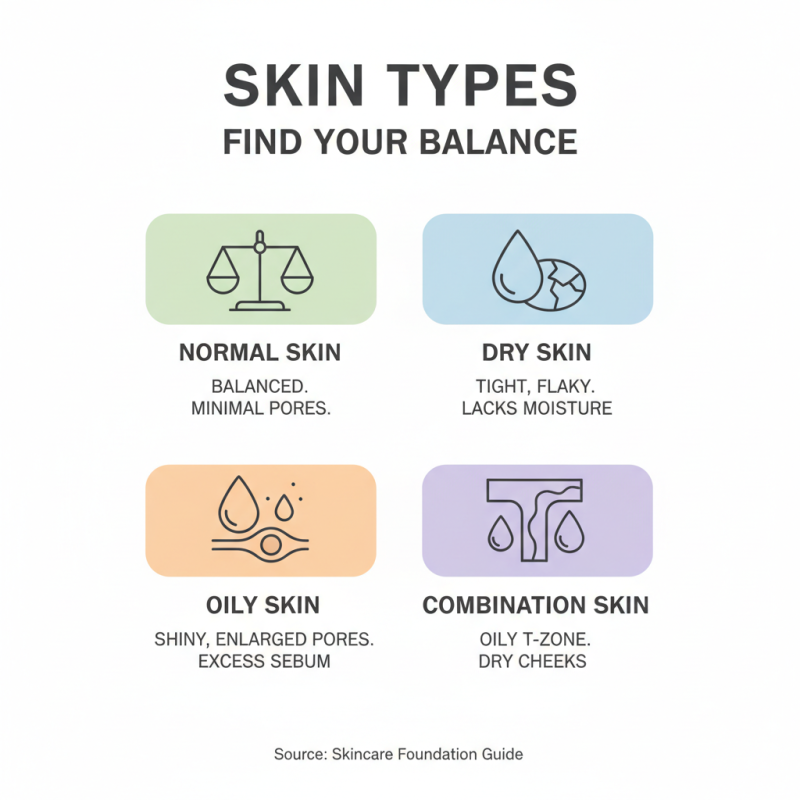
Understanding your skin type is the foundation of an effective skin care routine. Each skin type presents unique characteristics and requires tailored approaches for optimal health. Broadly, skin types can be categorized into four main groups: normal, dry, oily, and combination. Normal skin is well-balanced, with minimal sensitivity and pores, while dry skin often feels tight or flaky due to a lack of moisture. Oily skin, on the other hand, is characterized by excess sebum production and enlarged pores, leading to a shiny appearance. Combination skin exhibits traits of both oily and dry skin, typically presenting an oily T-zone alongside drier areas.
To accurately identify your skin type, observe how your skin behaves throughout the day. After cleansing, take note of how it feels after a few hours under varying conditions. For instance, if you notice shine primarily around the forehead and nose while other areas remain dry, you likely have combination skin. On the contrary, if your skin feels tight and rough even after moisturizing, dry skin may be your concern. Once you’ve determined your skin type, you can choose products and treatments that specifically address its needs, ensuring your skin receives the appropriate nourishment and protection it deserves. This tailored approach will not only enhance your skin's appearance but also contribute to its long-term health.
The Importance of Cleansing: Essential Techniques and Products
Cleansing is the cornerstone of any effective skin care routine. It helps to remove impurities, excess oil, and makeup, allowing your skin to breathe and recover. To achieve optimal results, it is crucial to choose the right cleansing techniques and products tailored to your skin type. For those with oily or acne-prone skin, a foaming cleanser can effectively sweep away excess oil, while cream-based cleansers are ideal for dry or sensitive skin, providing hydration and comfort.
Incorporating proper cleansing methods is equally vital. Always cleanse your skin twice a day—once in the morning to remove overnight buildup and again at night to eliminate dirt and makeup. When washing your face, use gentle, circular motions for about 30 seconds, taking care not to scrub aggressively, which can irritate the skin. Additionally, don’t forget to follow up with a toner and moisturizer, as these steps help to balance the skin’s pH and maintain hydration levels.
Lastly, invest in a good quality cleanser that aligns with your skin’s unique needs. Look for products containing natural ingredients and avoid those with harsh chemicals, which can strip your skin of its protective barrier. By employing these essential cleansing techniques and selecting appropriate products, you can lay a robust foundation for healthy, radiant skin.
Top 10 Essential Tips for Effective Skin Care
This chart illustrates the importance of cleansing in a daily skin care routine, emphasizing the recommended frequency of cleansing based on skin type.
Moisturizing: Finding the Right Products for Your Skin
When it comes to effective skin care, moisturizing is a crucial step that shouldn't be overlooked. Choosing the right products for your skin type can make all the difference in achieving a radiant complexion. First, it's important to identify whether your skin is oily, dry, combination, or sensitive. This understanding will guide you in selecting a moisturizer that can effectively address your specific needs without causing irritation or exacerbating any issues.
A helpful tip is to look for key ingredients that provide hydration. Humectants, such as hyaluronic acid and glycerin, attract moisture from the environment and bind it to the skin. If you have dry skin, consider products with occlusives like shea butter or petroleum jelly, which create a barrier to prevent moisture loss. Conversely, those with oily skin may benefit from lighter formulations that offer hydration without a greasy finish.
Another important tip involves the timing of your moisturizing routine. Applying moisturizer immediately after cleansing — while your skin is still damp — can enhance absorption and efficacy. Always remember to consider the climate as well; during colder months, you might need a richer cream, while in warmer weather, a lighter gel or lotion could suffice. By paying attention to your skin's unique needs and incorporating these expert tips, you can create a personalized moisturizing routine that ensures your skin remains hydrated and healthy.
Sun Protection: Choosing and Using Sunscreen Effectively
When it comes to skin care, sun protection is paramount. The Importance of sunscreen cannot be overstated, as studies show that up to 90% of visible skin aging is attributed to UV exposure. The Skin Cancer Foundation emphasizes that daily application of sunscreen with a minimum SPF of 30 can significantly reduce the risk of developing skin cancers, including melanoma, which is on the rise worldwide. According to a report from the World Health Organization, approximately 3 million non-melanoma skin cancers and 132,000 melanoma cases are diagnosed globally each year, underscoring the critical need for effective sun protection.
Choosing the right sunscreen involves understanding the different types available. Broad-spectrum sunscreens, which protect against both UVA and UVB rays, are recommended by dermatologists. Physical (mineral) sunscreens containing zinc oxide or titanium dioxide provide instant protection upon application, while chemical sunscreens absorb UV radiation and may require reapplication after a couple of hours. The American Academy of Dermatology suggests reapplying sunscreen every two hours, or more frequently if swimming or sweating. Additionally, incorporating other sun-protective measures, such as wearing protective clothing and seeking shade, can further enhance your defense against UV damage, making sun protection a comprehensive part of any effective skin care regimen.
Top 10 Essential Tips for Effective Skin Care You Must Know - Sun Protection: Choosing and Using Sunscreen Effectively
| Tip Number |
Tip Description |
Recommended SPF |
Application Frequency |
| 1 |
Choose a broad-spectrum sunscreen |
30+ |
Every 2 hours |
| 2 |
Apply sunscreen generously |
30+ |
Before sun exposure |
| 3 |
Reapply after swimming or sweating |
30+ |
Immediately after |
| 4 |
Use sunscreen even on cloudy days |
30+ |
Daily |
| 5 |
Choose water-resistant formulas |
30+ |
As needed |
| 6 |
Look for ingredients like zinc oxide or titanium dioxide |
30+ |
Before going outside |
| 7 |
Perform a patch test if trying a new product |
N/A |
Before use |
| 8 |
Use makeup with SPF for extra protection |
15+ |
Daily |
| 9 |
Avoid tanning beds |
N/A |
N/A |
| 10 |
Schedule regular skin check-ups |
N/A |
Annually |
Incorporating Exfoliation into Your Skin Care Routine
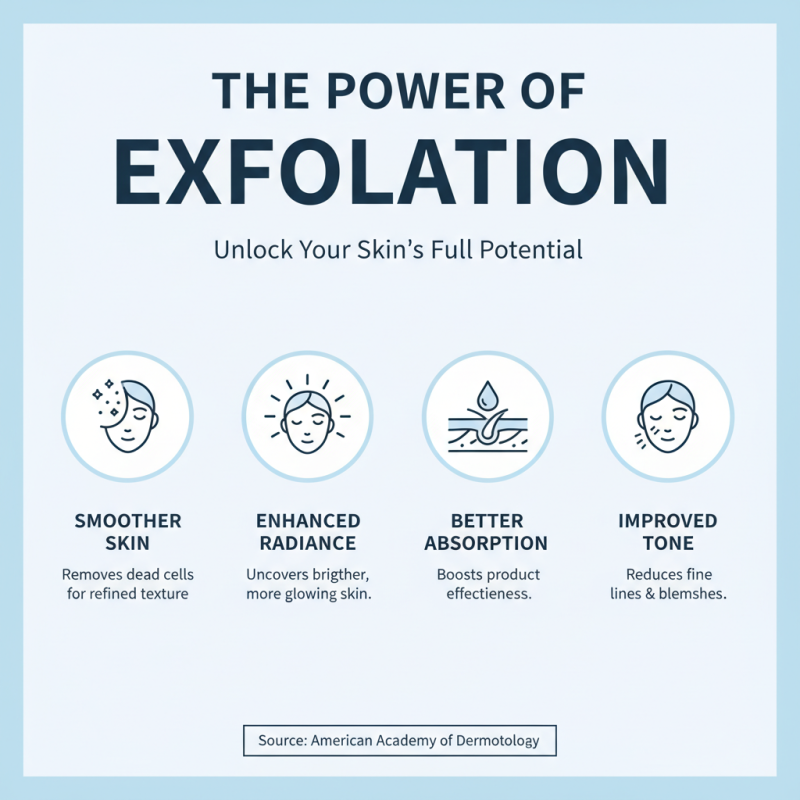
Exfoliation is a critical component of any effective skin care routine, offering a multitude of benefits that enhance the overall health and appearance of your skin. According to a study by the American Academy of Dermatology, regular exfoliation helps remove dead skin cells, allowing for improved skin texture, enhanced radiance, and better absorption of skin care products. This process can reduce the appearance of fine lines, uneven skin tone, and acne scarring, making it an essential step for anyone looking to achieve a luminous complexion.
Incorporating exfoliation into your routine should be tailored to your skin type. The Journal of Clinical and Aesthetic Dermatology recommends gentle exfoliation for sensitive or dry skin types, utilizing chemical exfoliants such as alpha-hydroxy acids (AHAs) that provide a milder effect compared to physical scrubs. For those with oily or acne-prone skin, beta-hydroxy acids (BHAs) may be more effective, penetrating deeper into pores to unclog them and reduce breakouts. Regular use of exfoliants—ideally once or twice a week—can lead to significant improvements in skin clarity and smoothness while promoting cell turnover, essential for maintaining youthful skin.
 3606 E. Chapman Ave, Orange, CA 92869
 Contact us: 714-743-4914