Why You Should Consider Chemical Peel Treatment for Flawless Skin
Chemical peel treatment has emerged as a popular solution for individuals seeking to achieve radiant and flawless skin. According to the American Academy of Dermatology, chemical peels help to enhance skin texture and tone by exfoliating the outer layers of the skin, resulting in a rejuvenated appearance. This non-invasive procedure can effectively address various skin concerns, including acne scars, fine lines, sun damage, and uneven pigmentation.
Recent studies indicate that the chemical peel market is expected to grow substantially, with a projected CAGR of 5.7% from 2021 to 2028, underscoring increased consumer interest in dermatological treatments that promote skin health. Additionally, the International Journal of Dermatology reports that patients experience noticeable improvements in skin condition following chemical peel treatment, highlighting its effectiveness as a skincare intervention. With advancements in formulation technologies, chemical peels can now be customized to suit individual skin types and concerns, making them a versatile option in the pursuit of flawless skin.
In conclusion, considering chemical peel treatment not only offers aesthetic benefits but also aligns with the growing trend of individuals investing in their skincare routines. By integrating this treatment into their beauty regimen, consumers can take a proactive approach toward achieving their skincare goals, ultimately leading to improved confidence and overall satisfaction with their appearance.
The Basics of Chemical Peels: What You Need to Know
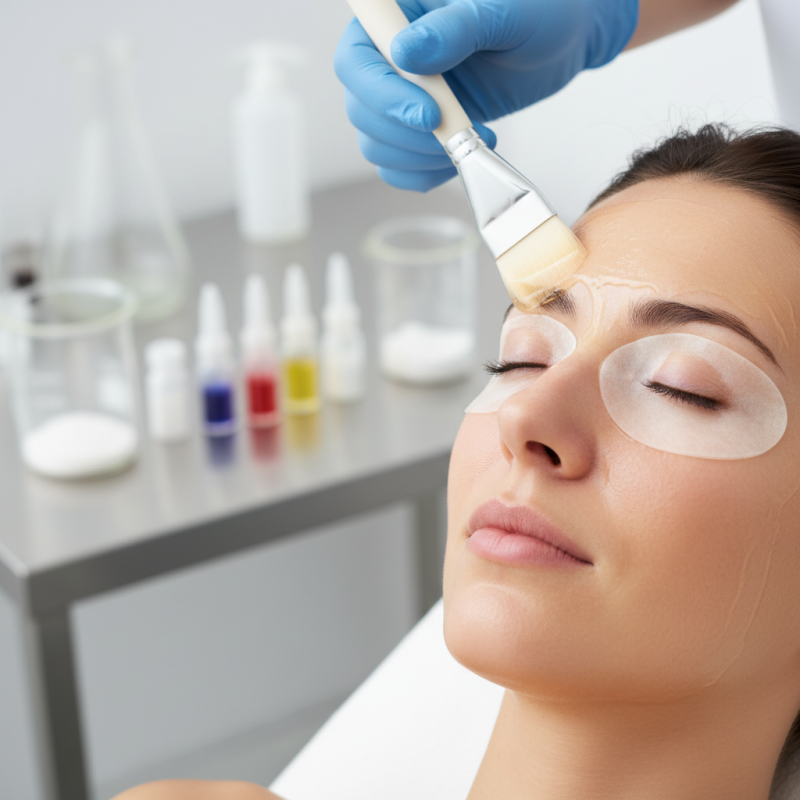
Chemical peels have gained popularity as an effective treatment for improving skin texture and addressing various dermatological issues. A fundamental understanding of chemical peels can significantly enhance your skincare routine. Essentially, a chemical peel involves applying a solution to remove the outermost layers of skin, promoting the growth of new, healthier skin underneath. According to the American Society for Aesthetic Plastic Surgery, in 2020 alone, over 1.3 million chemical peel procedures were performed in the United States, signaling a growing trust in this method for achieving radiant skin.
Different types of chemical peels are available, categorized into superficial, medium, and deep peels, depending on the skin concerns they target. Superficial peels utilize mild acids like glycolic acid to treat issues such as dryness and fine lines, while medium and deep peels use stronger acids, like trichloroacetic acid, to address more significant concerns like acne scars and pigmentation irregularities.
A study published in the Journal of Dermatology shows that repetitive treatments yield cumulative benefits, revealing a steady improvement in skin tone and texture, with patient satisfaction rates exceeding 85%. With a commitment to follow-up care and a personalized treatment plan, individuals can achieve impressive results through chemical peels, contributing to their quest for flawless skin.
Types of Chemical Peels: Finding the Right One for Your Skin
When considering a chemical peel treatment for achieving flawless skin, it's essential to understand the different types available. Chemical peels can generally be categorized into three primary types: superficial, medium, and deep. Superficial peels usually use mild acids like glycolic or salicylic acid and are perfect for individuals seeking minor improvements in skin tone and texture. These are often ideal for sensitive skin types, as they require minimal downtime.
Medium peels penetrate deeper layers of the skin, utilizing stronger acids, which can effectively treat sun damage, age spots, and even moderate acne scars. This type of peel necessitates a recovery period but can lead to remarkable results. For those looking for significant skin rejuvenation, deep peels provide powerful transformation, targeting deeper skin layers to address severe wrinkling or scarring. However, due to their intensity, deep peels require more extended recovery times and should be performed under professional supervision.
Tips: Before deciding on a chemical peel, consult with a dermatologist to determine your skin type and specific concerns. Always perform a patch test if you're trying a new product or treatment. Additionally, ensure to follow post-peel care recommendations, such as using sunscreen diligently, to protect your skin during the healing process.
Benefits of Chemical Peel Treatments for Achieving Flawless Skin
Chemical peel treatments offer numerous benefits for those seeking flawless skin. One of the primary advantages is their ability to enhance skin texture by removing the outermost layer of dead skin cells. This process stimulates new cell growth, resulting in a smoother and more youthful complexion. Individuals struggling with uneven skin tone, rough patches, or acne scars can find significant improvement through chemical peels, as they help reduce imperfections and promote a more radiant appearance.
In addition to improving texture, chemical peels can also address issues such as hyperpigmentation and fine lines. By applying a chemical solution that penetrates the skin, these treatments encourage exfoliation and reveal the fresher skin beneath. This not only brightens the complexion but also aids in diminishing the appearance of age spots and sun damage. Furthermore, chemical peels can enhance the effectiveness of skincare products by allowing them to penetrate deeper into the skin after the peel has revealed a fresh surface. Overall, opting for a chemical peel can be a transformative step towards achieving the clear, flawless skin many desire.
Why You Should Consider Chemical Peel Treatment for Flawless Skin
| Benefit |
Description |
| Improved Skin Texture |
Chemical peels exfoliate the outer layer of skin, leading to a smoother texture. |
| Reduction of Fine Lines |
Helps diminish the appearance of fine lines and wrinkles, promoting a youthful look. |
| Brightening of Skin Tone |
Chemical peels can help lighten areas of hyperpigmentation, resulting in a more even skin tone. |
| Acne Treatment |
Effective in treating acne and reducing acne scars, leading to clearer skin. |
| Boosted Collagen Production |
Stimulates collagen production, enhancing skin elasticity and firmness. |
| Quick Recovery |
Many peels have minimal downtime, with benefits visible soon after treatment. |
What to Expect During and After a Chemical Peel Session
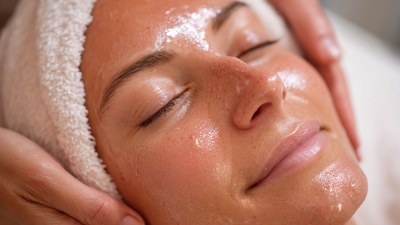
During a chemical peel session, you can expect a carefully controlled process aimed at rejuvenating your skin. The procedure usually begins with a thorough cleansing of the skin to remove any impurities and makeup. Once your skin is prepped, a chemical solution is applied, which may vary in strength depending on your skin type and desired results. You may experience a tingling or burning sensation as the solution penetrates the skin. The duration of this phase typically lasts from a few minutes to half an hour, depending on the type of peel being performed.
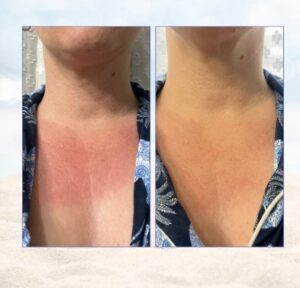
Post-treatment care is crucial for optimal results. After the procedure, your skin may feel sensitive, similar to a mild sunburn, and redness is a common side effect that usually subsides after a few hours. It's important to follow the aftercare instructions provided by your skincare professional, which may include avoiding direct sunlight, using gentle skincare products, and keeping the skin hydrated. As your skin heals, you might notice peeling or flaking, which is normal and signifies that the old skin cells are shedding to reveal a smoother complexion underneath. Keeping your skin moisturized during this time is key to ensuring a successful recovery and achieving that flawless skin you're aiming for.
Benefits of Chemical Peels for Skin Health
Precautions and Aftercare: Ensuring Optimal Results from Chemical Peels
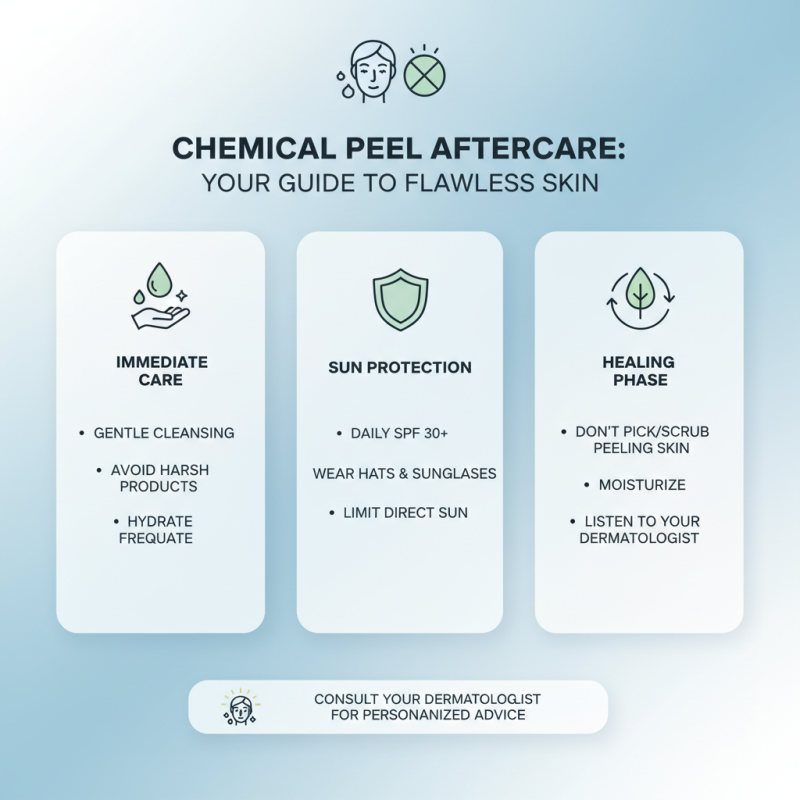
Chemical peel treatments can work wonders for achieving flawless skin, but proper precautions and aftercare are essential to ensure optimal results. After undergoing a chemical peel, your skin will be more sensitive and may experience redness, peeling, or irritation. It’s crucial to protect your skin from sun exposure, as UV rays can significantly hinder the healing process and may lead to unwanted pigmentation.
Here are some tips to enhance your aftercare routine: First, keep your skin hydrated by using a gentle, fragrance-free moisturizer. This will help soothe any dryness or irritation you might experience. Secondly, avoid using harsh products, including exfoliants and retinoids, for at least a week post-treatment to allow your skin to recover properly. Lastly, always apply a broad-spectrum sunscreen with at least SPF 30 daily, even if it’s cloudy, to safeguard your delicate, freshly treated skin.
After the initial healing phase, continue to nurture your skin with gentle care. Incorporate calming ingredients like aloe vera or hyaluronic acid into your regimen to maintain moisture levels and support the skin's healing process. Remember, patience is key; as your skin heals, you’ll begin to notice the brighter, smoother complexion that chemical peels are known for.
 3606 E. Chapman Ave, Orange, CA 92869
 Contact us: 714-743-4914