How to Choose the Best Sleep Monitoring Technology for You?
In the fast-paced world we live in, quality sleep is often overlooked. Sleep Monitoring Technology has emerged as a vital tool for those seeking better rest. With countless options available, how can you know which one is right for you? Each device offers unique features, from heart rate tracking to sleep stage analysis. The choice can be overwhelming.
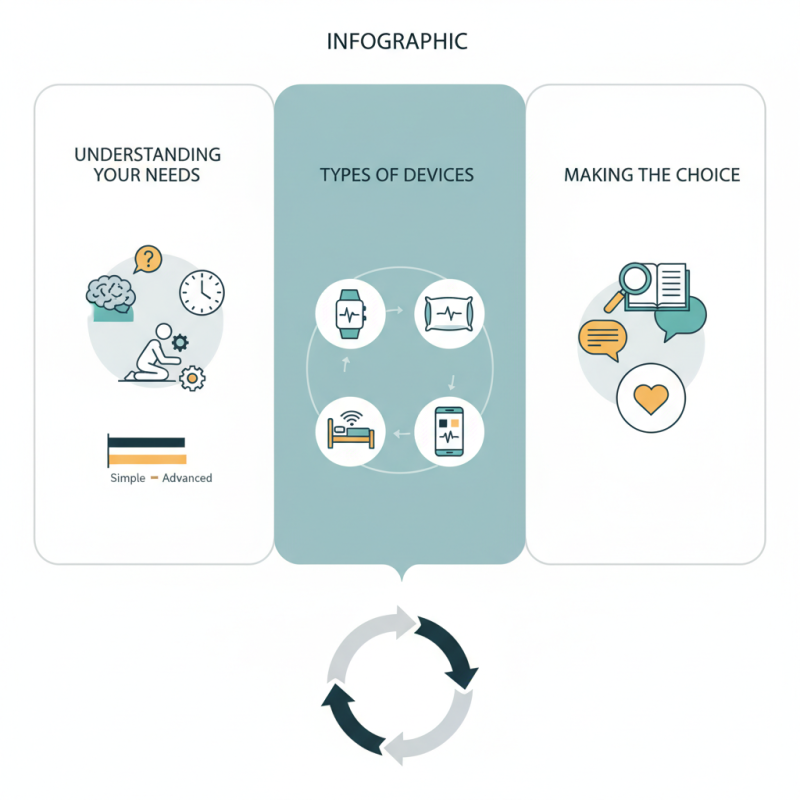
Recognizing your specific needs is essential. Some may need detailed analytics, while others prefer simplicity. A basic sleep tracker might suffice for casual users. However, someone with a sleep disorder may require advanced tools. Finding the right technology can support your health goals.
The effectiveness of Sleep Monitoring Technology can vary greatly. Not all devices are created equal. It is crucial to read user reviews and expert opinions. Personal experiences shape the reliability of a product. Engaging with the community can provide insights into what works. Ultimately, choosing the best technology involves knowing yourself and reflecting on your sleep habits.
Understanding Sleep Monitoring Technology: An Overview
Understanding sleep monitoring technology can feel overwhelming. With various tools available, it's essential to know what suits you best. Sleep monitors track your patterns, providing insights through data analysis. They can help identify disturbances and suggest improvements. However, not all devices are created equal.
When choosing a device, consider your lifestyle and needs. Some users prefer wearable technology, such as smartwatches. Others might opt for under-mattress sensors. Each has its pros and cons. Wearables may offer convenience but can feel intrusive. Non-wearable options might not provide results for every sleep stage.
Tips: Pay attention to data accuracy. Look for devices that offer reliable metrics. User reviews and expert opinions can guide your decision. Don’t rush the process; finding the right fit may take time and experimentation. Your sleep environment also affects monitoring. Ensure a quiet, dark space to optimize your results. Adjustments might be needed as you gather more data.
Key Features to Consider in Sleep Monitors
When choosing sleep monitoring technology, consider features that truly matter. Look for accuracy in sleep tracking. A good device should analyze your sleep cycles, showing how much time you spend in deep sleep, light sleep, and REM. This data helps you understand your sleep patterns better.
Battery life is another important factor. Some devices last for days, while others require daily charging. A short battery life can be frustrating, especially if you often forget to charge gadgets. You may miss out on valuable data if your device dies overnight.
Tips: Always check user reviews. They can reveal real-world performance and reliability. Also, consider how comfortable the device is during sleep. A device that's too bulky or tight may disrupt your sleep quality.
Finally, look for additional features like heart rate monitoring. This can help in assessing your overall health. A multifunctional device offers more insights, but don't get overwhelmed. Focus on what you need the most. Reflect on your sleep goals and choose accordingly.
Types of Sleep Monitoring Devices Available
When choosing sleep monitoring devices, it’s essential to explore the various options available to find what suits you best. Common types include wearable devices, smart mattresses, and mobile apps. Wearables, like fitness trackers, monitor your sleep patterns and heart rate. They are lightweight and easy to use. Smart mattresses track your body's movement and temperature throughout the night.
Mobile apps are another option that syncs with your phone. They use the phone’s sensors to analyze your sleep. Some incorporate sound features to help you relax before bed. However, the accuracy can vary. It's worth noting that some people find wearables uncomfortable, disrupting their sleep. While technology offers insights, it might lead to over-analysis of your sleep behavior, causing stress rather than improvement.
Consider your habits and environment before investing in a sleep device. A device that works for someone else may not work for you. Not all devices provide accurate data or meet user expectations. The best choice should align with your lifestyle and specific sleep issues. Keep an open mind about potential limitations and the need for adjustment.
Types of Sleep Monitoring Devices and Their Features
Evaluating Accuracy and Reliability of Sleep Trackers
When choosing a sleep tracker, accuracy and reliability are paramount. Recent studies indicate that many trackers have varying degrees of precision. For example, a report from the Journal of Clinical Sleep Medicine found that consumer sleep devices often miss key sleep stages. While some devices achieve about 70% accuracy for total sleep time, their performance drops significantly for REM sleep detection.
Reliability can vary across different sleep technologies. Data from the National Institutes of Health suggests that many trackers struggle in real-world conditions. They often depend on movement patterns and heart rate, which can be inconsistent for different individuals. Thus, users may experience discrepancies between reported sleep quality and their actual restfulness. This invites critical reflection on whether a tracker accurately reflects one's unique sleep needs.
Incorporating a sleep tracker into your routine should be a thoughtful decision. It's essential to evaluate reviews and research before committing. Acknowledging that no technology is foolproof is important. Users should complement these tools with journal methods or professional sleep studies for a more comprehensive understanding of their sleep.
Setting Your Budget: Cost Considerations for Sleep Technology
When it comes to choosing sleep monitoring technology, budget is a critical factor. The market offers a wide range of options, from basic wearables to sophisticated sleep trackers. Industry reports suggest that the average cost for a good-quality sleep tracker ranges between $50 to $300. Determining how much you are willing to spend can guide your decision-making process and help you filter your options effectively.
It's important to note that higher prices do not always equate to better performance. A study by the Sleep Foundation indicated that some lower-cost devices provide surprisingly accurate sleep data. Additionally, personal preferences, such as the need for additional features like heart rate monitoring or smartphone app integration, can significantly affect overall costs. Some people find that simpler models meet their needs at a fraction of the price. Reflecting on what is truly important to your sleep experience can clarify your budgetary constraints.
Consider subscription fees for apps or cloud storage that many devices require. Reports highlight that ongoing costs can add up, influencing long-term satisfaction with the device. It’s essential to weigh these factors carefully. Spending less upfront may lead to unexpected expenses later, while investing in a more expensive product could save money in the long run if it meets your needs effectively.
How to Choose the Best Sleep Monitoring Technology for You? - Setting Your Budget: Cost Considerations for Sleep Technology
| Type of Technology | Price Range | Key Features | Pros | Cons |
| Wearable Devices | $50 - $300 | Heart rate tracking, sleep stages, activity monitoring | Convenient, portable, integrates with apps | Can be uncomfortable, battery life limitations |
| Non-Wearable Devices | $100 - $500 | Sleep environment monitoring, sound analysis | No need to wear, can provide environmental insights | Less personal data, may require calibration |
| Smart Mattresses | $500 - $3000 | Temperature control, pressure mapping, sleep analytics | High comfort, integrated features for couples | Expensive, heavy and difficult to move |
| Sleep Apps | Free - $50 | Sleep tracking, sounds, guided meditations | Inexpensive, easy to use | Dependent on smartphone, limited features |
 3606 E. Chapman Ave, Orange, CA 92869
 Contact us: 714-743-4914