How to Choose the Best Red Light Device for Your Needs?
In the world of wellness technology, choosing the best Red Light Device can be overwhelming. With countless options available, making an informed decision is crucial. As Dr. Michael Hamblin, a renowned expert in photomedicine, stated, “The effectiveness of red light therapy largely depends on the device used.” This emphasizes the importance of understanding what features to look for.
Different devices vary significantly in terms of wavelength, intensity, and design. For instance, some devices harness specific wavelengths that penetrate deeper into the skin, enabling better cellular repair. Additionally, factors like treatment time and area coverage can influence efficacy. However, not all devices are created equal. It's vital to differentiate between consumer-grade products and professional equipment.
When selecting a Red Light Device, consider your specific needs. Are you seeking pain relief, skin rejuvenation, or muscle recovery? Each goal may require a different approach. Researching reputable brands and reading customer reviews can provide insights. Yet, some users may find it challenging to navigate available information, leading to potential regrets later. It’s essential to be mindful and take your time in this decision-making process.
Understanding Different Types of Red Light Therapy Devices Available Today
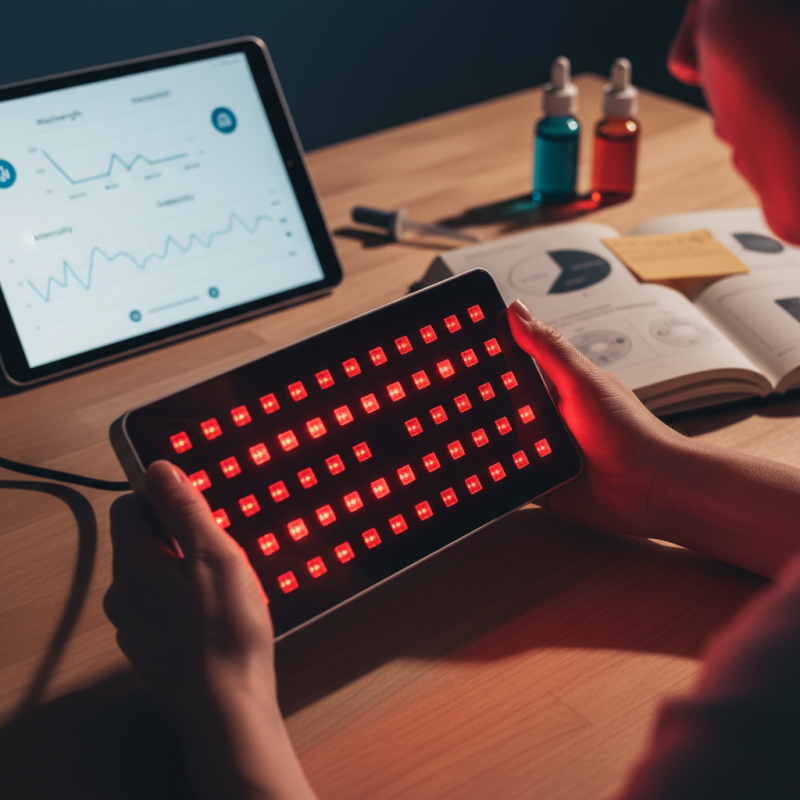
When exploring red light therapy, it’s crucial to understand the variety of devices available. The most common types include handheld devices, full-body panels, and LED masks. Handheld devices offer flexibility and ease of use. Users can target specific areas like joints or skin issues. In contrast, full-body panels provide extensive coverage, beneficial for larger areas like the back or thighs.
Research shows that red light therapy can stimulate collagen production and reduce inflammation. A study published in the Journal of Photomedicine indicates a 60% improvement in skin elasticity among users. This supports the effectiveness of using red light therapy for skin rejuvenation. Furthermore, LED masks have gained popularity for home use. They often incorporate different wavelengths for varied skin benefits.
However, not all devices offer the same quality. Some may lack adequate power output or optimal wavelengths. It’s essential to consider these factors carefully. Many consumers feel overwhelmed by choices. A mismatch between needs and device capabilities can lead to disappointments. Users should ensure they understand the specific benefits and limitations of their chosen device. Evaluating professional reviews and clinical research will aid in making informed decisions.
How to Choose the Best Red Light Device for Your Needs?
| Device Type | Wavelength (nm) | Power Output (mW/cm²) | Treatment Area | Portability | Price Range ($) |
| Handheld Device | 600-650 | 200 | Local (small areas) | Portable | 100-300 |
| Panel Device | 800-850 | 100 | Large (full body) | Stationary | 200-600 |
| Face Mask | 600-650 | 150 | Facial Area | Portable | 100-400 |
| Bed Device | 600-650 | 400 | Full Body | Stationary | 500-1500 |
Evaluating the Wavelengths: What to Look for in Red Light Devices
When selecting a red light device, the wavelength is crucial. Different wavelengths penetrate the skin at varying depths. Typically, wavelengths between 600 nm and 650 nm are effective for skin health. They stimulate cell repair and rejuvenation. On the other hand, deeper tissues may benefit from 800 nm to 850 nm wavelengths. This range promotes enhanced blood circulation and reduces inflammation.
Consider your specific needs when evaluating wavelengths. If you're focused on skin issues, choose a device within the 600-650 nm range. Conversely, for muscle recovery or joint pain relief, aim for devices that operate in the 800 nm range. It's not a one-size-fits-all approach.
Experimenting with different wavelengths may be necessary to find what works best. Many devices offer a combination of wavelengths, allowing for versatile use. However, not all combinations are effective. Researching the specifics of the wavelengths and their intended uses can enhance your experience. Addressing personal health concerns while considering wavelength functionality is imperative for optimal results.
Key Features and Specifications of Effective Red Light Therapy Products
Choosing the right red light device can be tricky. Effective red light therapy products often share key features. Look for devices with adjustable wavelengths. Most benefits come from wavelengths between 600 to 650 nm and 800 to 850 nm. These ranges penetrate the skin effectively.
Power output is another essential specification. Higher power can lead to quicker results. Devices with at least 100 mW/cm² are worth considering. Pay attention to the light's delivery method. Some devices are handheld, while others are full-body panels. Each has unique benefits depending on your needs.
Tips: Always check the safety certifications. Reliable products should comply with safety standards. Remember, not all devices are made equal. Some may not deliver the promised results. Research user reviews for insights on effectiveness. Aim for a device backed by clinical evidence, ensuring a more satisfactory experience.
Comparison of Key Features in Red Light Therapy Devices
This bar chart compares three red light therapy devices based on key features such as wavelength, power output, treatment area, session duration, and price. This can help you make a more informed decision when selecting the best red light therapy device for your needs.
Assessing Safety and Efficacy: Research Supporting Red Light Therapy
Red light therapy (RLT) is becoming increasingly popular for various health issues. It’s essential to assess both safety and efficacy before choosing a red light device. Research shows that RLT can stimulate cellular function, leading to improved skin health and faster recovery from injuries. A 2020 meta-analysis highlighted that RLT significantly reduced inflammation and accelerated tissue repair. It proved effective in treating conditions like acne and chronic pain.
When selecting a device, consider the wavelength. Efficacy often increases with the correct wavelength range, typically between 600 and 1000 nm. According to industry studies, devices that emit near-infrared light at around 850 nm can enhance muscle recovery post-exercise. However, individual responses can vary, making it crucial to monitor progress.
Tips: Always look for devices with clinically-backed research. Read user reviews for reliability. Consult with a medical professional for advice tailored to your specific needs, especially if you have pre-existing conditions. While many users report benefits, some may experience minimal effects. Therefore, patience is vital in the journey toward wellness.
User Reviews and Expert Recommendations for Top Red Light Devices
When selecting the best red light device, user reviews play a crucial role. Many users share their experiences on forums and social media, detailing how these devices have affected their skin, pain relief, and overall wellbeing. It's insightful to read about real-life results. Many users report improved skin tone and texture after consistent use. However, some felt disappointed, indicating that results can vary greatly. This highlights the importance of individual skin types and conditions.
Expert recommendations further guide consumers in making informed choices. Specialists often suggest considering factors such as wavelength, device size, and treatment duration. Users frequently express confusion over the vast array of options available. It’s essential to research expert opinions. Some professionals advise starting with lower intensity settings to see how your body responds. The feedback is mixed, as some found the devices to be underwhelming initially but reported significant benefits over time. Each journey is unique, pushing us to reflect on our needs and expectations carefully.
 3606 E. Chapman Ave, Orange, CA 92869
 Contact us: 714-743-4914