How to Choose the Best Beet Root Juice Powder?

Choosing the best Beet Root Juice Powder requires more than comparing prices or bright red packaging. Quality begins with the beet itself, its growing conditions, and the way juice becomes powder. Professor Andy Jones, a leading researcher in dietary nitrate and exercise physiology, has said, “Beetroot juice is a very rich source of nitrate.” His research helps explain why nitrate content deserves careful attention.

A reliable product should clearly state its beetroot source, serving size, and processing method. Look for transparent nitrate information, not vague phrases like “maximum strength.” Third-party testing can also confirm identity, purity, and the absence of unwanted contaminants. Check the ingredient list closely. A powder with beetroot as the main ingredient is usually easier to evaluate than a crowded blend.

Taste matters too. A fresh, earthy smell is normal. A sharp chemical odor is not reassuring. The powder should dissolve reasonably well, although some sediment may remain. No product is perfect. Some labels provide limited testing details, and consumers may need to contact the manufacturer for answers. That is worth doing.

Personal needs also influence the choice. Athletes may focus on standardized nitrate levels, while other buyers may prefer simple ingredients and convenient preparation. Follow the label’s serving guidance, and seek professional advice if you take medication or have a medical condition. The strongest choice is not always the most expensive one. It is the product with clear evidence, honest labeling, and consistent quality.
How to Choose the Best Beet Root Juice Powder?

What Is Beet Root Juice Powder?

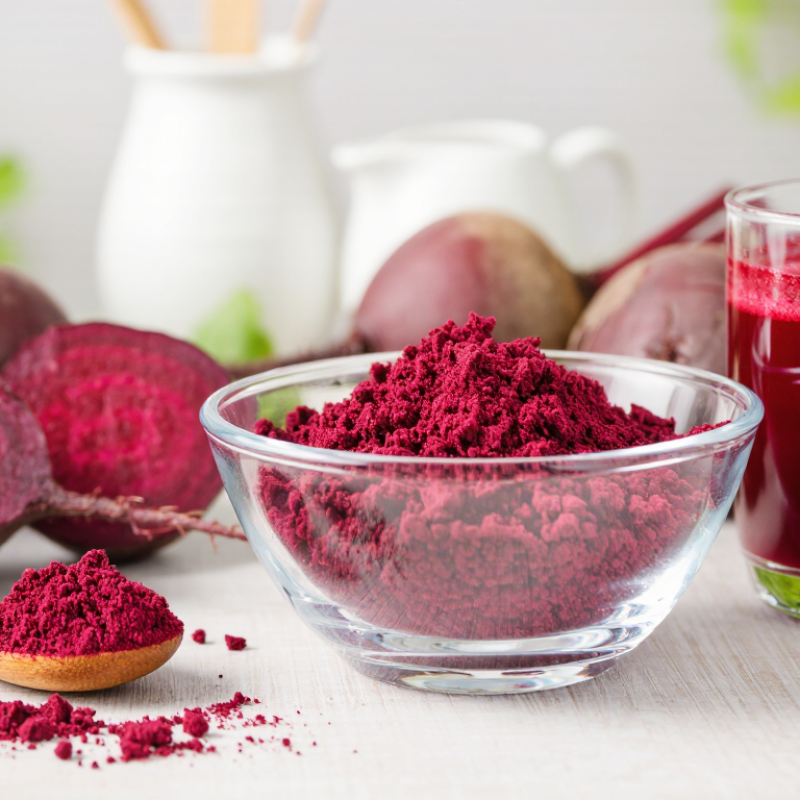
Beet root juice powder is a dried form of beet juice. Manufacturers remove much of the water, creating a fine, concentrated powder. It usually dissolves in water, smoothies, or yogurt. Its deep red color comes from betalains, natural plant pigments with antioxidant properties. Some products also retain dietary nitrates, compounds naturally found in beets.

The powder is not identical to fresh beet juice. Drying methods, storage, and added ingredients can change its taste and nitrate content. A reliable label should identify the beet source, serving size, processing method, and any sweeteners. I would also check independent testing when available. Bright color alone proves very little. It may look impressive, but appearance cannot confirm purity or strength.

Research has connected dietary nitrates with nitric oxide production, which may support normal blood flow and exercise performance. Results can vary between people. That matters. Some users notice earthy flavors, stomach discomfort, or temporary reddish urine. These effects are often harmless, but they can be confusing. People taking blood-pressure medicine, or those with kidney concerns, should ask a qualified healthcare professional before regular use. Powder can be convenient, yet it should not replace vegetables, balanced meals, or medical advice.

Key Factors to Compare Before Buying

How to Choose the Best Beet Root Juice Powder?

When comparing beet root juice powders, begin with the ingredient label. Look for a clearly stated beet content, not vague vegetable blends. A short ingredient list is easier to evaluate. Check whether the powder comes from beet juice or whole beetroot, as their texture and nutrient profiles may differ. Standardized nitrate information can help, but only when supported by reliable testing. Do not trust impressive numbers without evidence.

Examine the quality controls behind the product. Responsible suppliers should provide recent certificates of analysis for identity, microbial safety, heavy metals, and moisture. A batch number should connect the product to its test results. Manufacturing details also matter. Gentle drying may help preserve color and flavor, although processing claims need practical verification. I once judged a powder by its bright red color alone. That was a weak shortcut. Color can vary naturally and does not prove freshness or potency.

Tips: Mix a small teaspoon in cool water and observe its smell, texture, and settling. A harsh chemical odor deserves caution. Review the storage instructions, especially after opening. Choose packaging that limits light and moisture. Compare serving size, not just container weight. If the label hides key testing information, pause before buying. Taste is useful, but it remains only one part of the decision.

How to Choose the Best Beet Root Juice Powder?

Key factors to compare before buying

Use this chart as a practical buying benchmark. A transparent product should disclose its nitrate amount, use a clearly defined serving size, contain little or no added sugar, and provide batch-level quality testing. Research on beetroot products commonly evaluates nitrate intake in the approximate range of 300–600 mg per serving, so an exact nitrate declaration is more useful than powder weight alone.

How to Evaluate Quality, Purity, and Processing

How to Choose the Best Beet Root Juice Powder?

How to Evaluate Quality, Purity, and Processing

A reliable beet root juice powder begins with clear raw-material information. Check the botanical name, harvest region, and lot number. A vague label raises questions. The powder should have a fresh, earthy aroma and a consistent red-purple color. Color alone proves little.

Request a lot-specific certificate of analysis, not a generic document. It should report nitrate content, moisture, microbial results, heavy metals, and pesticide screening. Independent testing from an ISO/IEC 17025-accredited laboratory adds credibility. Compare the report’s lot number with the package. Small details matter. I have seen attractive certificates with missing dates or unclear test methods. That is not enough evidence.

Processing can change both quality and usefulness. Ask whether the juice was concentrated before drying, and identify the drying method. Excessive heat may affect sensitive compounds, while poor moisture control can create clumps and shorten shelf life. Freeze-drying can preserve delicate characteristics, but it may cost more. Spray-drying may be practical when the carrier ingredients are clearly declared. Read the full ingredient list. No hidden blends.

Store a sample in a sealed container away from heat and light. Notice changes after opening. A sour smell, sticky texture, or fading color deserves investigation. Packaging should include storage instructions and an expiration date. Traceability is essential. If the supplier cannot explain testing, processing, or corrective actions, choose more cautiously. My own evaluation would remain provisional until repeated lots show similar results.

How to Choose the Right Beet Root Juice Powder for Your Needs

How to Choose the Best Beet Root Juice Powder?

Choosing the right beet root juice powder depends on your purpose, not attractive packaging. For exercise, check the actual nitrate content per serving. The Australian Institute of Sport lists beetroot juice as a supported option for some endurance activities. Research commonly examines 5–8 mmol of nitrate, taken about two to three hours before exercise. Powder weight alone proves very little. A 5-gram serving may contain widely different nitrate levels. Look for batch testing, a certificate of analysis, and clear serving instructions. Third-party testing for heavy metals, microbes, and pesticides adds useful reassurance.

Tips: Match the product to your routine. Athletes may prioritize measured nitrate. Daily users may prefer lower sugar and simple ingredients. People watching sodium should check the nutrition panel carefully. EFSA’s scientific opinion sets an acceptable daily intake for nitrate at 3.7 mg per kilogram of body weight, although food context still matters. Do not treat this figure as a personal prescription.

Texture also matters. A powder that clumps in cool water may be harder to use consistently. Check whether the label identifies juice powder or whole-root powder. They are not identical ingredients. I would avoid products using vague “beet complex” language. It sounds impressive, but it weakens comparison. One practical mistake is judging quality by color; darker red does not guarantee more nitrate. Taste can expose another issue. Very sweet powder may suit smoothies, but it can quietly increase sugar intake. When evidence and convenience conflict, record your serving, timing, and response for two weeks. Then reconsider your choice.

How to Choose the Best Beet Root Juice Powder? - How to Choose the Right Beet Root Juice Powder for Your Needs

Selection Dimension What to Check Preferred Specification Why It Matters Best Fit
Product Type Identify whether the product is beet juice powder, whole beet powder, or a standardized beetroot extract. Choose beet juice powder for a drink-like product; choose whole beet powder when fiber is desired. Juice powder and whole beet powder are not nutritionally interchangeable. Whole beet powder generally contains more of the plant’s fiber, while juice powder is usually selected for easier mixing and a lighter texture. Daily beverage use, smoothies, or recipe applications.
Nitrate Information Look for a clearly stated nitrate amount per serving rather than relying only on the phrase “high nitrate.” Prefer a product with a quantified nitrate value and a defined serving size. Nitrate content can vary substantially according to beet variety, growing conditions, processing, and storage. A stated value makes products easier to compare. Consumers specifically comparing products for dietary nitrate intake.
Serving Size Check the powder weight per serving and the number of servings per container. Choose a serving size that is clearly measured in grams or a supplied scoop with a stated weight. One “scoop” is not a universal measurement. Weight-based serving information improves consistency and helps calculate cost per serving. Users who want repeatable preparation and accurate intake tracking.
Ingredient List Review all ingredients, including carriers, sweeteners, flavors, acids, and anti-caking agents. A short ingredient list with beet juice powder as the primary ingredient. Additional ingredients may affect taste, calories, dietary suitability, and allergen considerations. People following simple-ingredient, vegan, or allergen-conscious diets.
Added Sugar Check the Nutrition Facts panel for total sugars and added sugars. Prefer no added sugar when using the powder regularly or adding it to other foods. Beetroot naturally contains carbohydrate, but added sugar can increase the overall sugar content of the finished drink. Low-sugar diets or users mixing the powder with fruit juice or sweetened beverages.
Solubility and Texture Look for preparation instructions and, where available, information about dispersibility. A fine powder that disperses readily in cold or room-temperature water with moderate stirring. Juice powders can settle or form small clumps. Good dispersibility improves convenience but does not necessarily indicate higher nitrate content. Fast preparation in water, shakes, and smoothies.
Processing Method Check whether the powder is spray-dried, freeze-dried, or produced using another drying process. Compare the finished product’s testing and ingredient information rather than selecting a process name alone. Drying conditions can influence color, flavor, moisture, and nutrient retention. The processing method by itself does not guarantee a specific nitrate level. Users prioritizing flavor, color, or processing transparency.
Moisture and Clumping Examine the packaging and product instructions for moisture protection and resealing. A tightly sealed, moisture-resistant package with clear storage instructions. Powders can absorb moisture after opening, which may cause clumping and reduce shelf stability. Products intended for repeated use over several weeks or months.
Color and Flavor Expect a deep red to purple color and an earthy, mildly sweet beet flavor. Choose a natural flavor profile unless the product is intentionally formulated with flavoring. Color and flavor are useful quality indicators, but they cannot confirm nitrate concentration or overall nutritional quality on their own. Smoothies, water-based drinks, baking, and savory recipes.
Quality Testing Look for batch or lot identification, expiration information, and testing for contaminants. Prefer transparent documentation covering identity, microbiological quality, and relevant contaminants. Testing supports product consistency and helps verify that the powder meets applicable safety and quality specifications. Consumers who place a high priority on traceability and quality assurance.
Dietary Compatibility Check labels for vegan status, gluten-related statements, allergens, and possible cross-contact information. Select a product whose label clearly matches your dietary requirements. Beetroot itself is plant-based, but other ingredients or shared manufacturing facilities may affect suitability for some users. Vegan, gluten-free, allergen-aware, or restricted-ingredient diets.
Storage Requirements Follow the label’s instructions regarding temperature, light, humidity, and resealing. Store in a cool, dry place away from direct light and close the container immediately after use. Heat, light, oxygen, and moisture can negatively affect powder quality over time. Anyone purchasing larger containers or using the product infrequently.
Value for Money Compare price per gram and price per serving, not only the container price. Use the stated net weight and serving size to calculate the true cost of regular use. A larger package is not always more economical if the serving size is substantially different. Budget-conscious shoppers comparing multiple formulations.
Health Considerations Consider personal health conditions, medications, and total dietary nitrate intake. Consult a qualified healthcare professional if you have a medical condition or use prescription medication. Beetroot products can be unsuitable for some individuals, and beetroot may cause harmless pink or red urine or stools in some people. Users with specific health concerns or those taking regular medication.

Note: Beetroot powder composition varies by crop, processing method, storage, and serving size. Always use the product label and current laboratory or regulatory information when making a final selection.

How to Check Safety, Dosage, and Storage Requirements

How to Choose the Best Beet Root Juice Powder?

Check the evidence before trusting bright red color. Ask for a batch-specific certificate of analysis from an independent laboratory. It should show nitrate content, microbial results, heavy metals, pesticides, and moisture. The International Society of Sports Nutrition’s position stand reports that 6–8 mmol of nitrate may support exercise performance when consumed about two to three hours beforehand. However, many powders list only beetroot weight, not actual nitrate. That gap matters. The European Food Safety Authority set an acceptable daily intake for nitrate at 3.7 mg per kilogram of body weight daily. This includes nitrate from all foods. Start with a smaller serving. I once assumed one scoop was consistent across products. It was not.

Review safety with a qualified healthcare professional if you have low blood pressure, kidney disease, or take blood-pressure medicines. Combining nitrate-rich products with certain medicines may lower blood pressure excessively. Evidence is useful, but personal response still varies. That part is easy to forget.

Store the powder in its original, tightly sealed container. Use a completely dry spoon, and keep it in a cool, dry, dark cabinet. Avoid bathroom shelves and areas near a kettle, where humidity builds quickly. Refrigeration is unnecessary unless the label specifically recommends it. Moisture can cause clumping and reduce handling quality. Discard powder with a damaged seal, unusual odor, visible mold, or persistent dampness. Check the expiry date and follow the expiry date and follow the supplier’s stability instructions. A reliable manufacturer should explain storage conditions and provide traceable batch testing, not merely attractive nutrition claims.

advanced-floating-content-close-btn

🌞 New! Sun Lover’s Facial – Now $125

 Pamper Your Sunburned Skin with this Luxurious treatment. It will leave your skin hydrated, strengthened, and less inflamed with less pain and irritation.

Book now and give your skin the care it deserves.

Schedule Your Appointment Today »

Text: 714-743-4914

Call Now Button
