2026 How to Choose the Best Chemical Peel Facial for Your Skin?
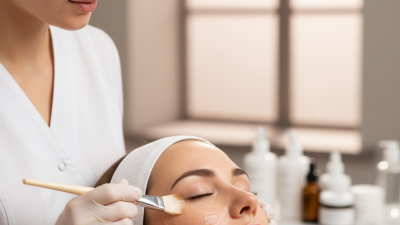
Choosing the right chemical peel facial can profoundly impact your skin's health and appearance. Various types of chemical peels are available, each designed for specific skin concerns. A deep understanding of your skin type is crucial. Consider factors such as sensitivity, existing conditions, and desired outcomes.
Many people overlook their skin’s unique needs. What works wonders for one individual may not suit another. Therefore, consulting with a qualified skincare professional before deciding on a peel is essential. They can guide you in selecting a suitable option based on your skin’s characteristics.
Additionally, researching the chosen treatment can enhance your experience. Look for testimonials and reviews. Understanding the potential risks and side effects is equally important. Know that some peels may cause irritation or prolonged recovery. Reflecting on your skin's past responses to treatments can help you navigate your choices wisely.
Understanding Chemical Peels: Types and Their Benefits
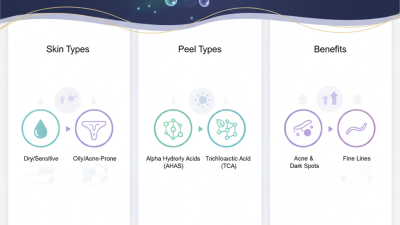
Chemical peels can dramatically improve skin texture and tone. Understanding the various types is crucial for choosing the right one. There are three main types: superficial, medium, and deep peels. Each type targets different skin issues. Superficial peels are great for mild concerns like sun damage. They provide gentle exfoliation and involve minimal downtime.
Medium peels offer more significant results, addressing issues like acne scars and pigmentation. A study published in the Journal of Dermatological Treatment highlighted that 60% of patients saw visible improvement after medium peels. Deep peels penetrate further, effectively treating severe skin damage. However, they require more recovery time, and complications can occur, so it’s vital to consult a professional.
The benefits of chemical peels extend beyond surface-level changes. They boost collagen production, leading to firmer skin over time. Research from the American Society of Plastic Surgeons shows that 15 million chemical peel procedures are performed annually in the U.S., reflecting their growing popularity. Despite these advantages, not every peel suits every skin type, necessitating personalized assessments.
Identifying Your Skin Type for Optimal Peel Selection
Identifying your skin type is crucial for choosing the best chemical peel facial. Different skins react differently to various chemical solutions. Oily skin may benefit from peels with salicylic acid, which helps clear clogged pores.
Dry skin might need gentler ingredients, like lactic acid, for hydration without irritation.
Understanding your skin's sensitivity is also vital. Sensitive skin often reacts poorly to strong acids. Conduct a patch test before trying new products. Redness, burning, or itching are signs to avoid that peel. It's okay to feel unsure about what works.
Consulting a skincare professional can provide tailored advice based on your unique skin needs.
Your skin's condition can change with weather and lifestyle. Regularly assess how your skin feels and reacts. Seasonal changes may require different peel strengths. A thoughtful approach to skin care can lead to optimal results.
Keep refining your choices based on your experiences. This journey is about learning and finding what truly works for you.
Evaluating Skin Concerns: Acne, Scarring, and Aging
When considering a chemical peel facial, it's essential to evaluate specific skin concerns, such as acne, scarring, and aging. Acne affects about 50 million Americans annually, making it a common issue. For those with acne-prone skin, superficial peels with salicylic acid can help unclog pores and reduce inflammation. These treatments are generally safe and can significantly improve skin texture over time.
Scarring from acne can linger long after breakouts have resolved. Research indicates that about 30% of individuals with acne develop scars, which can be difficult to treat. Medium-depth peels using glycolic acid can promote collagen production, leading to smoother skin. However, patience is required, as multiple sessions might be necessary for visible results.
Aging skin presents different challenges. According to the American Society of Plastic Surgeons, chemical peels can be effective in reducing fine lines and sun damage. A study showed that patients experienced up to a 50% improvement in skin texture after consistent treatments. But results vary based on individual skin types and care routines. Users must commit to proper post-peel care to avoid complications. Choosing the right peel depends on personal skin assessment and professional guidance.
Consultation with a Dermatologist: What to Expect
Consulting with a dermatologist is essential before starting any chemical peel treatment. An expert can assess your skin type and condition. This personalized approach is crucial. According to the American Academy of Dermatology, more than 80% of individuals report improved skin texture after proper evaluation and treatment. Understanding your unique needs ensures better results.
During the consultation, dermatologists typically examine your skin's health history. They also inquire about your lifestyle, skin goals, and previous treatments. This dialogue can reveal unexpected factors affecting your skin. For instance, stress levels or environmental exposures could hinder recovery after a peel. A study published in the Journal of Dermatology found that 65% of patients did not realize the impact of their daily routines on skin health.
Expect candid feedback about potential risks and benefits. Peels vary by strength and formulation. Some may experience redness or peeling post-treatment. Your dermatologist will help you weigh these outcomes against your skin goals. Transparent communication can enhance your confidence in the chosen treatment. Remember, seeking professional advice is paramount for optimal results and skin safety.
Post-Peel Care: Ensuring Best Results and Skin Health
Post-peel care is crucial for achieving optimal results from your chemical peel facial. Experts recommend a tailored skincare routine for preserving the benefits of the peel. According to a report by the American Academy of Dermatology, following a chemical peel, 85% of patients notice significant skin improvement when they adhere to post-care guidelines.
After the procedure, the skin is often sensitive and requires gentle treatment. It’s essential to keep the skin hydrated using a gentle, hydrating moisturizer. Look for ingredients like hyaluronic acid, which has been shown to improve moisture levels significantly. Sunscreen is also vital; studies indicate that UV exposure can hinder the healing process, leading to pigment changes in 67% of patients.
Monitoring any adverse reactions is part of post-peel care. Some individuals may experience redness or irritation. Keeping track of these symptoms can aid in adjusting aftercare. Solicit professional advice when changes occur. Remember, reflection on tailored care is not just beneficial, but necessary for skin health. Each skin type reacts differently, highlighting the importance of personalized approaches in post-peel care.
 3606 E. Chapman Ave, Orange, CA 92869
 Contact us: 714-743-4914