2025 How to Choose the Right Chemical Peel Facial for Your Skin Type
Choosing the right chemical peel facial for your skin type can be a transformative experience, but it’s essential to understand the nuances involved in making this decision. According to Dr. Emily Dutton, a renowned dermatologist and expert in aesthetic procedures, "Selecting a chemical peel facial tailored to your unique skin will not only enhance your complexion but also promote overall skin health." With so many options available, from glycolic to salicylic acid peels, understanding your skin's needs is crucial.
In recent years, the popularity of chemical peel facials has surged as more individuals seek out effective treatments for common skin concerns such as acne, hyperpigmentation, and fine lines. However, the efficacy of a chemical peel is significantly influenced by the specific formulation used and the skin type of the individual receiving the treatment. This underscores the importance of consulting with a trained professional who can evaluate your skin condition and recommend the most appropriate peel.
As you explore the world of chemical peel facials, equip yourself with knowledge about the various types, their benefits, and potential side effects. The right choice can lead to not just immediate aesthetic benefits, but also long-term improvements in skin texture and tone. Remember, the journey toward healthier skin begins with informed decisions.
Understanding Different Types of Chemical Peels for Skin Types
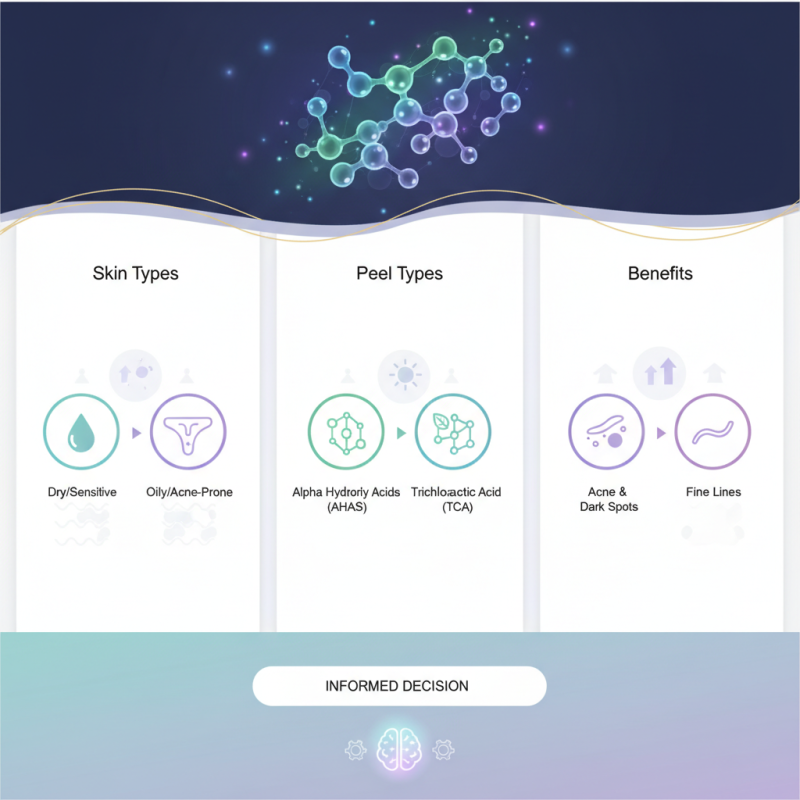
When selecting the right chemical peel for your skin type, it is crucial to understand the different types of chemical peels available. Broadly, chemical peels can be classified into three categories: superficial, medium, and deep peels. Superficial peels, often made from alpha and beta hydroxy acids, are suitable for individuals with sensitive skin types, as they help improve texture and tone with minimal discomfort. According to the American Society for Aesthetic Plastic Surgery, superficial peels account for over 60% of all chemical peel procedures performed, highlighting their popularity due to gentle effects.
Medium peels, typically using trichloroacetic acid, target more considerable skin imperfections, making them ideal for those with moderate sun damage or fine lines. They penetrate deeper than superficial peels and often deliver significant improvements in skin clarity. A study published in the Journal of Dermatological Treatment indicates that 75% of patients reported satisfaction after undergoing medium peels, noting visible changes in texture and overall complexion.
Deep peels, on the other hand, involve a more intense chemical solution and are suitable for individuals seeking to address severe skin issues, such as deep scarring and wrinkles. However, they require a longer recovery time, which must be taken into consideration when choosing the right option.
Tips: Always consult with a licensed dermatologist to evaluate your specific skin concerns and discuss potential risks. Additionally, patch-testing is recommended to determine how your skin reacts to a particular peel before committing to a full treatment. Finally, prioritize aftercare, including the use of broad-spectrum sunscreen, to protect your skin post-peel.
Comparison of Chemical Peel Types for Different Skin Types
Evaluating Your Skin Type: Oily, Dry, Sensitive, or Combination
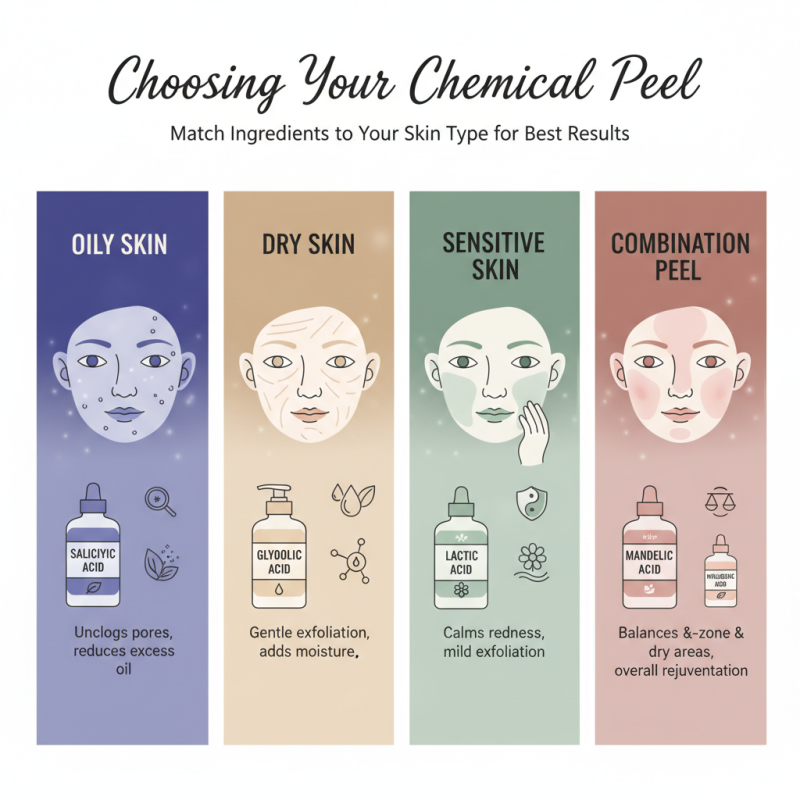
When choosing a chemical peel facial, understanding your skin type is crucial for achieving the best results. Skin types can generally be categorized as oily, dry, sensitive, or combination. Each type has unique characteristics and responds differently to various chemical formulations. For oily skin, look for peels that contain salicylic acid, as they can help to unclog pores and reduce excess oil. On the other hand, if you have dry skin, consider peels with hydrating ingredients like glycolic acid that can gently exfoliate without stripping moisture.
For those with sensitive skin, it is essential to select milder peels with ingredients like lactic acid that soothe and nourish rather than irritate. Combination skin benefits from tailored treatments that address both oily and dry areas, often opting for a balance of various acids. Always conduct a patch test before applying the peel to your entire face to ensure there is no adverse reaction.
Tips: Always consult with a skincare professional to assess your skin type accurately and determine the most suitable peel for your needs. Additionally, preparation is vital; ensure your skin is thoroughly cleansed and free from makeup before applying the peel. Aftercare is equally important; use soothing moisturizers and sunscreen to protect your skin post-treatment.
Benefits of Chemical Peels: What to Expect for Each Skin Type
Chemical peels have become a popular treatment for various skin concerns, and understanding their benefits based on your skin type is essential for achieving optimal results.
For oily and acne-prone skin, superficial chemical peels, which typically contain salicylic acid, can help unclog pores and reduce oiliness. These peels not only exfoliate the outer layer of skin but also penetrate deeper to minimize breakouts and improve the overall texture, making them ideal for those struggling with acne.
For dry and sensitive skin types, a gentle approach is necessary. Lactic acid or glycolic acid peels can hydrate and exfoliate without causing excessive irritation. These treatments help to remove dead skin cells while simultaneously boosting moisture, leading to a smoother, more radiant complexion. It’s important for individuals with sensitive skin to consult with a skincare professional to select the appropriate concentration and frequency to avoid any potential side effects. Thus, customizing a chemical peel to match your skin’s needs not only enhances the treatment's efficacy but also ensures a more comfortable experience.
Choosing the Right Active Ingredients in Chemical Peels
When choosing the right chemical peel facial for your skin type, it's essential to focus on the active ingredients that will best address your specific skin concerns. Different peels employ unique compounds that can offer varying benefits. For example, glycolic acid is well-known for its exfoliating properties, making it ideal for those with uneven skin tone or fine lines. On the other hand, salicylic acid can deeply penetrate pores, making it a suitable option for individuals prone to acne or oiliness.
Tips: Before committing to a chemical peel, consider your skin type and concerns. If you have sensitive skin, look for peels that contain lactic acid or fruit enzymes, as these are often gentler. Always perform a patch test on a small area before applying a new product to your entire face, ensuring that you won’t have an adverse reaction.
Another essential factor to consider is the concentration of active ingredients. Higher concentrations can yield more dramatic results but may also increase the risk of irritation, especially for those new to chemical peels. It’s advisable to start with lower concentrations and gradually work up as your skin becomes accustomed to the treatments. Consulting with a skincare professional can help you determine the best formulation and concentration for your individual needs.
Tips: Keep a skincare journal to track your skin's response to different treatments. Documenting your experiences can help you and your skincare expert make informed decisions in the future.
Post-Peel Care: Essential Steps for Optimal Results and Recovery
After undergoing a chemical peel, proper post-peel care is crucial for achieving optimal results and ensuring a smooth recovery. A study published in the Journal of Cosmetic Dermatology highlighted that patients who followed a structured post-peel regimen experienced a 40% increase in skin rejuvenation effectiveness. The fundamental steps include avoiding sun exposure for at least a week and keeping the skin well-moisturized to aid in the healing process.

Tips: Always use a broad-spectrum sunscreen with an SPF of at least 30 to protect your skin from harmful UV rays. This is particularly important post-peel, as the skin is more sensitive and vulnerable to damage. Additionally, be gentle with your skin; avoid scrubbing or using harsh skincare products for at least two weeks after the peel.
Continued hydration is imperative; products containing hyaluronic acid can provide an extra boost to your skin’s moisture levels. According to the American Academy of Dermatology, maintaining adequate hydration can significantly reduce irritation and redness. Also, consider incorporating soothing ingredients like aloe vera or chamomile into your skincare routine to calm any post-peel discomfort. Following these steps will help maximize the benefits of your chemical peel and lead to a healthier, more radiant complexion.
 3606 E. Chapman Ave, Orange, CA 92869
 Contact us: 714-743-4914