Why Choose an Esthetician Chemical Peel for Your Skincare Routine?
In the world of skincare, finding effective treatments can be a challenge. Many people struggle with issues like acne, uneven skin tone, or signs of aging. This is where an esthetician chemical peel can make a significant difference. These peels, offered by trained professionals, provide a deeper clean than traditional facials. They help remove dead skin cells, revealing a fresh layer underneath.
However, choosing the right peel requires careful consideration. Not all peels are suitable for every skin type. Some may cause irritation or adverse reactions. It's essential to consult with an esthetician who can recommend the best option for you. The immediate glow you may experience can sometimes mask underlying sensitivity.
Understanding your skin's unique needs is crucial. Regular treatments can offer long-term benefits, but results may vary. An esthetician chemical peel is not a one-size-fits-all solution. It's important to set realistic expectations and be open to adjustments in your skincare routine.
Benefits of Chemical Peels in Skincare Routines
Chemical peels have gained popularity in skincare routines due to their numerous benefits. Research shows that over 30% of aesthetic patients choose this treatment for skin renewal. Chemical peels target a variety of skin issues, from acne scars to hyperpigmentation. They remove dead skin cells, promoting cell turnover. This process can lead to brighter and smoother skin.
Another significant advantage is the increased collagen production. A study by the American Society for Aesthetic Plastic Surgery indicates that patients experience a 25% improvement in skin texture and elasticity after regular peels. For many, this is a pivotal part of their anti-aging strategy. However, it’s important to know that not every peel is suited for everyone. Skin sensitivity varies widely, and some may experience irritation.
The personalized approach is vital. Consulting with a trained esthetician ensures that the chosen peel matches your skin type. It's easy to overlook factors like skin condition and past experiences. Chemical peels can provide incredible results, but they also require careful consideration and planning. Would-be users should acknowledge these nuances before diving in.
Benefits of Chemical Peels in Skincare Routines
Understanding Different Types of Chemical Peels
Chemical peels are gaining popularity in skincare routines. They come in various types, each designed for specific skin concerns. The three main categories are superficial, medium, and deep peels.
Superficial peels use mild acids like alpha-hydroxy acid. They target the outer layer of skin. This type can improve texture and tone. They are often recommended for minor sun damage and superficial blemishes. A 2021 industry report indicates that over 25% of consumers notice an immediate improvement after one session.
Medium peels penetrate deeper, using trichloroacetic acid. They address more significant issues, such as fine lines and moderate sun damage. Recovery from medium peels often takes about a week. While many report positive results, some may experience prolonged redness or peeling. Deep peels, in contrast, deliver more dramatic results but carry higher risks. A significant portion of patients find the healing process challenging.
Understanding these options is crucial. Each type has its advantages and potential downsides. Consultation with a qualified professional is necessary. Skincare isn't one-size-fits-all. Personalized recommendations lead to the best outcomes. It's about understanding your skin and what it truly needs.
Why Choose an Esthetician Chemical Peel for Your Skincare Routine? - Understanding Different Types of Chemical Peels
| Type of Chemical Peel |
Depth of Peel |
Skin Concerns Addressed |
Downtime |
Expected Results |
| Superficial Peel |
Light |
Dryness, Dullness, Minor Acne |
Minimal (1-3 days) |
Smoother texture and brighter skin tone |
| Medium Peel |
Medium |
Sun Damage, Fine Lines, Acne Scarring |
Moderate (5-7 days) |
Improved skin tone and reduction of scarring |
| Deep Peel |
Deep |
Severe Sun Damage, Deep Wrinkles |
Significant (7-14 days) |
Dramatic improvement in deep wrinkles and skin texture |
| Lactic Acid Peel |
Superficial to Medium |
Uneven Skin Tone, Hyperpigmentation |
Minimal to Moderate (1-5 days) |
Brightening and smoothing of skin |
| Salicylic Acid Peel |
Superficial |
Acne, Oily Skin |
Minimal (1-3 days) |
Reduction in acne and oiliness |
How Estheticians Tailor Chemical Peels to Skin Types
When it comes to skincare, not all treatments are one-size-fits-all. Estheticians take pride in creating personalized chemical peels tailored to individual skin types. This approach ensures that each client's unique skin concerns are addressed effectively. For instance, someone with oily skin may benefit from a stronger peel to reduce excess sebum production. Meanwhile, clients with dry or sensitive skin might require a gentler, hydrating formula.
Moreover, an esthetician will consider factors like skin tone, age, and specific issues such as acne or pigmentation. They often start with a thorough skin analysis, examining texture and tone. Based on this assessment, they select the right ingredients.
Salicylic acid, for oily skin types, helps clear clogged pores. Glycolic acid can brighten dull skin but may not suit everyone. It’s important for the esthetician and client to engage in dialogue. Questions about past reactions or current concerns can guide the treatment.
Even with expertise, outcomes can vary. Not every treatment works as intended. Clients may experience mild irritation or unexpected reactions afterward. This is part of the process and highlights the need for open discussion with the esthetician. Adjustments may be necessary in subsequent sessions to fine-tune the treatment plan. Communication is key in achieving the best results without compromising skin health.
What to Expect During a Chemical Peel Session
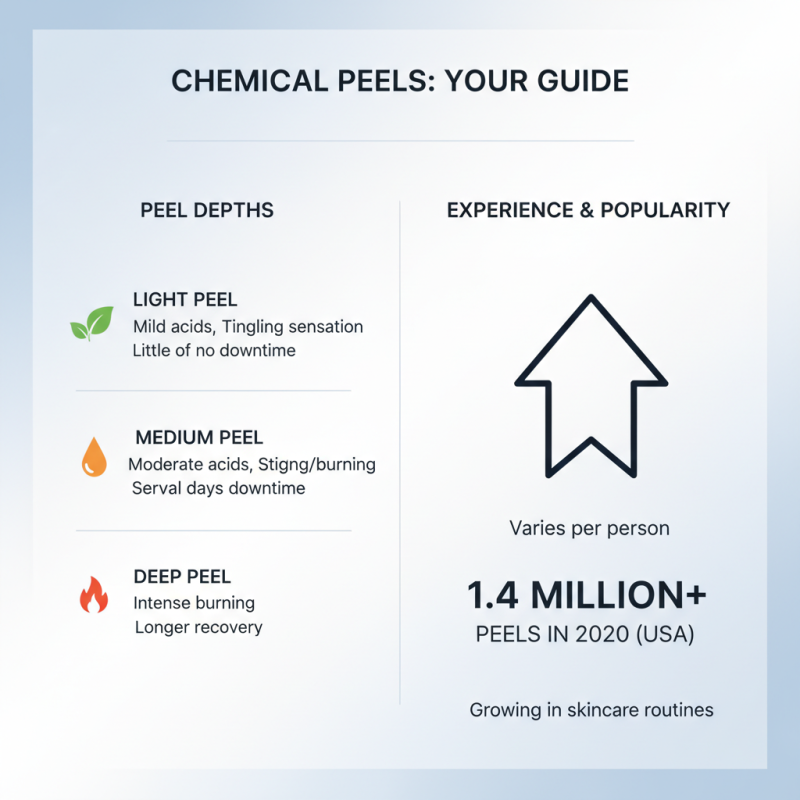
During a chemical peel session, the experience can vary based on the peel's depth. Clients can opt for light, medium, or deep peels. Light peels use mild acids and are often comfortable. A simple tingling may be felt. In contrast, deeper peels can cause more intense sensations, such as stinging or burning. According to a study from the American Society of Aesthetic Plastic Surgery, nearly 1.4 million chemical peels were performed in 2020. This reflects their growing popularity in skincare routines.
Preparation for your chemical peel is crucial. Be ready to cleanse your skin thoroughly. Avoid sun exposure before your appointment. This helps reduce complications and prepares your skin. After the peel, some redness is normal. Peeling usually starts three to five days post-procedure. Remember, everyone's skin reacts differently. Some might experience more peeling than others. Adjust your aftercare based on personal experiences.
Tips: Always follow your esthetician’s aftercare advice. Moisturizing is key! It helps with skin recovery. Also, consider doing a patch test if you’re unsure about the acids used in your peel. This way, you can identify any potential sensitivities ahead of time.
Aftercare and Maintenance Following a Chemical Peel
After undergoing a chemical peel, proper aftercare is essential for the best results. Research indicates that about 70% of patients see significant improvement in skin texture when they adhere to recommended aftercare routines. This can include gentle cleansing with non-abrasive products. Harsh scrubs can irritate sensitive post-peel skin, leading to complications or prolonged recovery.
Moisturization is critical. An estimated 60% of individuals neglect to apply moisturizer after a peel. This oversight can lead to increased dryness and flaking. Keeping skin hydrated supports the healing process and enhances results. Besides, sun protection is crucial. Studies show that UV exposure can reverse the benefits of chemical peels. Always apply sunscreen before heading outside.
Monitoring your skin’s response is important. Sometimes, redness or peeling can last longer than expected, which might be alarming. It's essential to listen to your skin and adjust your routine accordingly. If irritation persists, consulting a skincare professional is advisable. Remember, patience plays a role. Results may vary, and it’s not always a linear journey to healthier skin.
 3606 E. Chapman Ave, Orange, CA 92869
 Contact us: 714-743-4914