How to Choose the Best Chemical Peel Treatment for Your Skin in 2026
Chemical peel treatment has gained popularity in recent years. Many seek this option for rejuvenating their skin. With the rapid advancements in skincare, choosing the right treatment can feel overwhelming.
In 2026, several factors will influence your decision. Skin type, concerns, and desired results must be considered. Each chemical peel offers unique benefits. Some may lighten dark spots, while others focus on texture improvement. It's crucial to reflect on your individual skin needs.
This journey can also expose imperfections. Some treatments may not yield instant results. You could face downtime or skin sensitivity. Understanding these aspects will help you make an informed choice. The right chemical peel treatment can transform your skin, but it requires careful thought and patience.
Understanding Skin Types: The Foundation for Choosing Chemical Peels
Choosing the right chemical peel starts with understanding your skin type. Each skin type reacts differently to chemical solutions. A recent report shows that 58% of users achieve better results when they pick peels tailored to their skin. Normal and combination skins can tolerate a wider range of acids. Sensitive skin, on the other hand, may need less aggressive options.
The most common skin types are oily, dry, and combination. Oily skin often benefits from salicylic acid peels. These can reduce acne and minimize pores, leading to clearer skin. Meanwhile, dry skin may respond better to glycolic acid. It hydrates and exfoliates simultaneously. It’s vital to consider these characteristics. Blindly choosing a peel can lead to irritation or inadequate results.
Some individuals underestimate the importance of skin assessment before the treatment. In fact, 40% of people report adverse reactions. These range from redness to prolonged peeling. A patch test is essential. Even experienced practitioners encounter challenges. Adjusting treatments based on skin response is necessary for lasting benefits. Taking time to reflect on your skin type helps in making informed decisions.
The Role of Acids in Chemical Peels: pH Levels and Efficacy Explained
Chemical peels have gained popularity in skincare, especially in 2026. They use various acids to treat skin issues like acne, pigmentation, and aging. The pH levels of these acids are crucial. For instance, glycolic acid has a lower pH, creating a more potent peel. A study from the Journal of Clinical Aesthetic Dermatology highlights that a pH below 3.0 can enhance penetration and efficacy.
The concentration of acids matters too. The American Society for Dermatologic Surgery indicates that higher concentrations yield more significant results. Yet, there’s a fine line. Too much acidity can irritate the skin, leading to post-inflammatory hyperpigmentation or burns. Many clients report disappointment after aggressive treatments. Understanding your skin type is vital. Different skins react uniquely to acids.
Acids like salicylic, lactic, and mandelic each serve distinct purposes. Salicylic is effective for oily skin, while lactic helps with dryness and dullness. Using a tailored approach can avoid trial and error. Reading ingredient labels and consulting with professionals are steps often overlooked. Knowledge is key to achieving desired results.
How to Choose the Best Chemical Peel Treatment for Your Skin in 2026 - The Role of Acids in Chemical Peels: pH Levels and Efficacy Explained
| Acid Type |
pH Level |
Skin Type |
Efficacy (1-10) |
Common Concerns |
| Glycolic Acid |
3.0 - 4.0 |
All Skin Types |
8 |
Fine Lines, Texture |
| Lactic Acid |
3.5 - 4.5 |
Dry/Sensitive |
7 |
Dryness, Dullness |
| Salicylic Acid |
3.0 - 4.0 |
Oily/Acne-prone |
9 |
Acne, Blackheads |
| TCA (Trichloroacetic Acid) |
1.0 - 2.0 |
Normal/Aging |
8 |
Wrinkles, Hyperpigmentation |
| Mandelic Acid |
4.0 - 5.0 |
All Skin Types |
7 |
Acne, Uneven Skin Tone |
Comparing Chemical Peel Depths: Superficial, Medium, and Deep Peels
Chemical peels are becoming increasingly popular for skin rejuvenation. Understanding the differences between superficial, medium, and deep peels is vital for effective treatment. Superficial peels target the outer layer of skin. They can improve texture and tone with minimal downtime. Reports show that about 30% of patients choose superficial peels for their gentler nature.
Medium peels penetrate deeper into the skin. They address issues like pigmentation and fine lines. Recovery from these peels might take longer, around a week, but results are often more dramatic. A survey found that almost 50% of users preferred medium depth for significant skin improvements. It does come with risks, such as redness and irritation.
Deep peels go even further, targeting deeper scars and wrinkles. This treatment achieves intense results but requires significant recovery time. About 15% of patients opt for deep peels due to potential side effects. These include prolonged swelling and discoloration. It's essential to weigh these factors carefully before deciding. Always consider your skin's unique needs and tolerance levels.
Comparison of Chemical Peel Depths in 2026
This chart illustrates the common pH levels associated with different types of chemical peels in 2026. Superficial peels have a higher pH level, while deep peels are associated with a lower pH, indicating stronger formulations.
Evaluating Skin Concerns: Targeting Acne, Aging, and Hyperpigmentation
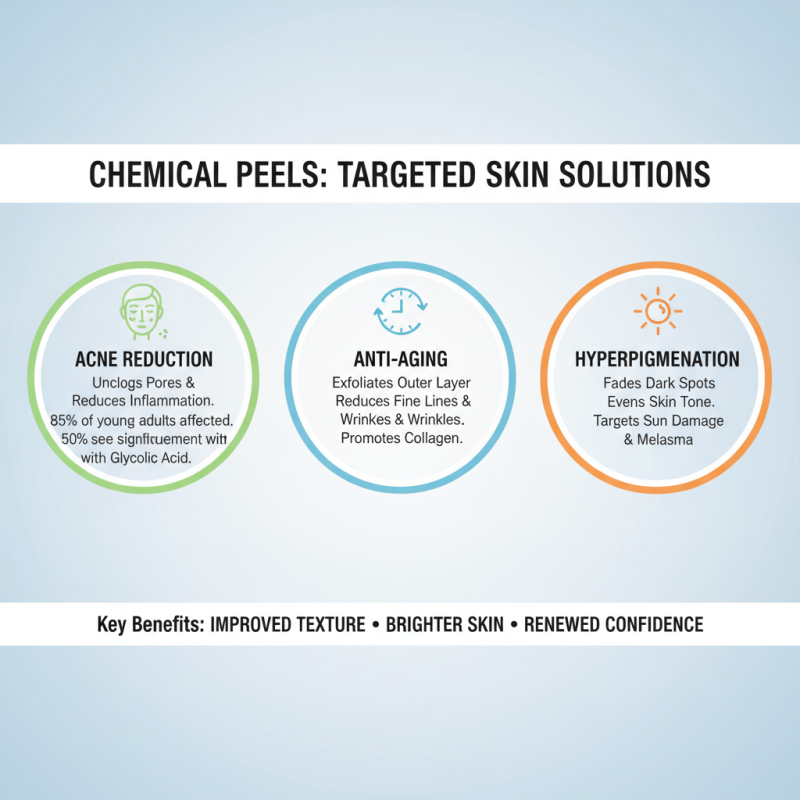
Chemical peels offer targeted solutions for various skin concerns, including acne, aging, and hyperpigmentation. Acne affects about 85% of young adults, making effective treatments essential. Chemical peels can help by exfoliating the outer layer of skin, unclogging pores, and reducing inflammation. Research shows that glycolic acid peels significantly improve acne conditions in 50% of users.
Aging skin often presents challenges like fine lines and wrinkles. Peels containing retinoids can stimulate collagen production, which is crucial for skin elasticity. The Journal of Cosmetic Dermatology reported a 30% reduction in wrinkle appearance after patients underwent a series of chemical peels. However, results can vary greatly. Some individuals experience redness and irritation that can be discouraging.
Hyperpigmentation, affecting up to 20% of the population, can severely impact self-esteem. Chemical peels containing salicylic acid or lactic acid have proven effective for evening skin tone. While many see improvements, about 15% report no noticeable change. Individual skin types and concerns require personal evaluation and sometimes multiple treatments. It is vital to set realistic expectations and to assess skin sensitivity before choosing a peel.
Consultation with Professionals: Importance of Customized Treatment Plans
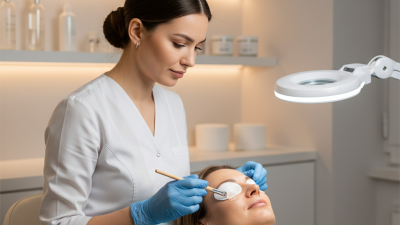
Consultation with professionals is vital for achieving the best chemical peel results. Each person’s skin is unique, and a one-size-fits-all approach does not work. A thorough skin analysis can reveal specific concerns. This can include issues like hyperpigmentation, fine lines, or acne scars. Professionals bring expertise to suggest the right type of peel.
During a consultation, discussions about skin type and history are crucial. Understanding past treatments can help professionals create a tailored plan. A good consultation should feel collaborative. You should feel comfortable asking questions. Sometimes, despite having an idea of what you need, the expert might suggest alternatives. This can be frustrating, but it's important to trust their knowledge.
After the consultation, expectations should be set realistically. Not every treatment will yield perfect results right away. Some peels may have side effects or require a few sessions. This is part of the learning process. Reflecting on feedback and adjustments will help in understanding your skin's needs better. Remember, it’s an ongoing journey towards healthier skin.
 3606 E. Chapman Ave, Orange, CA 92869
 Contact us: 714-743-4914