What is the best skin care for aging skin?
Aging skin requires specialized attention, as it undergoes various changes over time. According to the American Academy of Dermatology, about 85% of people over 50 experience significant skin changes. This can include dryness, loss of elasticity, and increased visibility of fine lines. Effective skin care for aging skin is essential to address these issues and enhance skin vitality.
Hydration is a key component. The skin’s moisture barrier weakens, making it prone to dryness. Incorporating moisturizers that contain hyaluronic acid can help retain moisture. Additionally, antioxidants like vitamin C play a critical role in fighting skin aging. They protect against free radical damage, often exacerbated by environmental factors. Yet, many consumers overlook these essential ingredients in their routines.
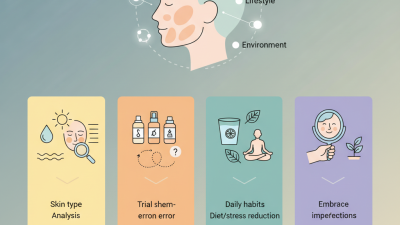
Despite having access to numerous products, the search for effective skin care for aging skin can sometimes be overwhelming. Not all products deliver promised results, leaving many individuals frustrated. It is crucial to assess personal skin needs and preferences before committing to a regimen. The journey to healthier aging skin is ongoing, and self-reflection on what works best is vital.
Understanding the Aging Process: How Skin Changes Over Time
Aging skin undergoes significant transformations. By age 30, collagen production decreases. This leads to fine lines. At 40, loss of elasticity becomes apparent. Skin may sag, and wrinkles deepen. Research shows that by age 50, skin can lose up to 30% of its thickness.
Hydration is critical. Aging skin produces less oil. As a result, dryness increases. According to studies, dry skin can exacerbate the appearance of wrinkles. In fact, 75% of individuals report feeling their skin is less supple as they age. Regular moisturization helps combat this issue. Yet, not all moisturizers work for everyone.
Sun exposure accelerates aging. UV rays can damage skin cells. Over time, this leads to age spots and pigmentation changes. Data indicates that UV-related aging increases by 50% for those who do not use sun protection. People often overlook the importance of sunblock. They might not realize how harmful sun exposure can be. Reflecting on these changes is vital for developing effective skincare routines tailored to aging skin.
Key Ingredients for Aging Skin: Retinoids, Antioxidants, and Peptides
Aging skin requires special care to maintain its vitality. Key ingredients like
retinoids,
antioxidants, and
peptides play vital roles in this journey.
Retinoids are derived from vitamin A and help boost collagen production. They can reduce fine lines
and improve skin texture. However, they may cause irritation. Start with a lower concentration and
gradually increase it over time.
Antioxidants are essential in fighting free radicals. They can protect against environmental damage.
Vitamin C is a popular option;
it brightens skin and evens out skin tone. Incorporating antioxidants into your routine can be beneficial.
Remember, not all antioxidants work the same. Experiment to find what suits your skin best.
Peptides offer another layer of support. These small proteins help repair and rejuvenate skin. They signal
your skin to produce more collagen. A serum with peptides can make a noticeable difference. Note that
results may take time, and consistency is crucial.
Tips: Always patch-test new products. Listen to your skin's feedback.
If you experience irritation, reevaluate your routine. Stay hydrated; it influences skin elasticity.
Regularly wear sunscreen to protect fresh skin.
Daily Skincare Routine: Steps for Maintaining Youthful Skin
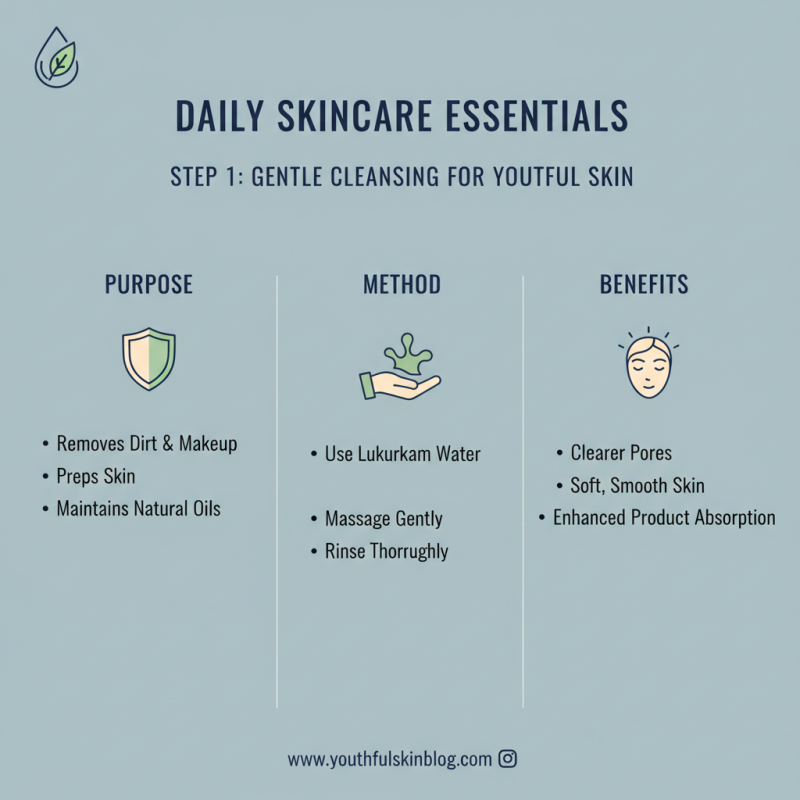
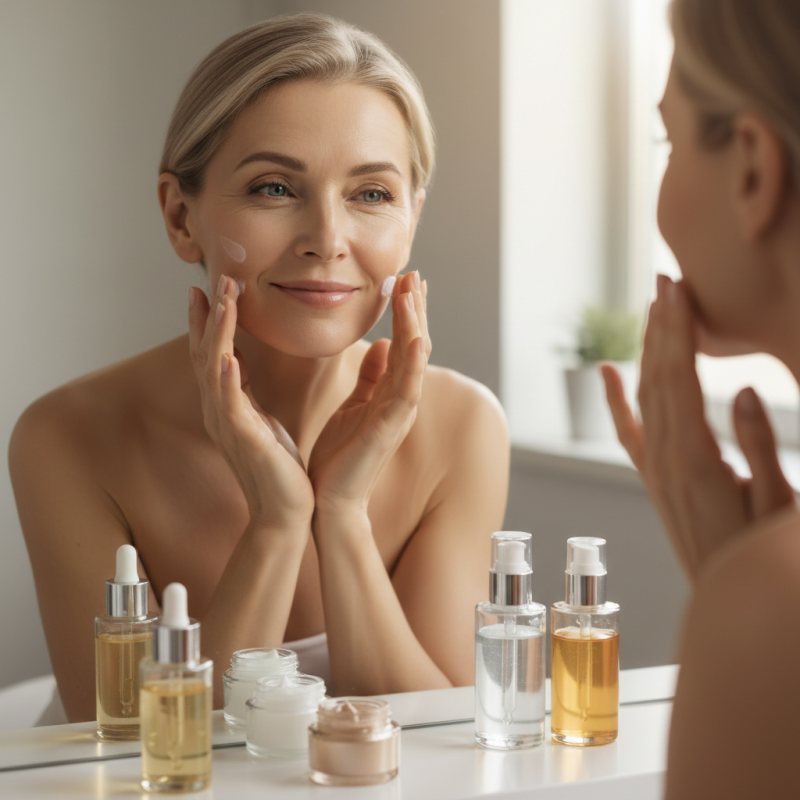
Creating a daily skincare routine is essential for maintaining youthful skin. Start with a gentle cleanser. This helps remove dirt and makeup without stripping your skin of its natural oils. A good cleanse prepares your skin for the next steps. Use lukewarm water; avoid extremes.
After cleansing, apply a toner. It balances the skin’s pH and refreshes your complexion. Choose an alcohol-free toner for dryness, as aging skin can often feel tight. Next, incorporate a serum rich in antioxidants. Look for ingredients like vitamin C or hyaluronic acid. These can brighten the skin and hydrate it effectively.
Finally, finish with a good moisturizer. This locks in hydration and provides a barrier against environmental stressors. Don't forget sunscreen during the day! Even a cloudy day can cause harm over time. It’s easy to forget sunscreen; however, it is vital for preventing premature aging. Stay consistent with these steps, but remember, results take time. Your routine may need adjustments. Reflect on what your skin tells you!
The Role of Sun Protection: Importance of SPF in Anti-Aging
Sun protection plays a vital role in maintaining youthful skin. UV rays can cause premature aging, leading to wrinkles and sunspots. Many people underestimate the power of SPF. Daily application of sunscreen can help mitigate these effects. It acts as a shield against harmful radiation. Finding a broad-spectrum sunscreen is essential. This type protects against both UVA and UVB rays.
Skin that lacks protection becomes vulnerable. It's not just about sunny days; UV rays can penetrate clouds. It's easy to forget on overcast days. Incorporating SPF into your routine can be a simple step. However, consistency is key. Reapplying sunscreen every two hours is necessary, especially during outdoor activities.
Sunscreen alone isn’t enough. Combining it with antioxidants can enhance protection. They help fight free radicals caused by sun exposure. Many people struggle with this combination. It can feel overwhelming at times. Creating a personalized skincare regimen requires trial and error. Remember, the journey to healthy, aging skin takes patience. Your skin deserves care and attention every day.
Hydration and Nutrition: Impact on Skin Health and Appearance
Hydration plays an essential role in maintaining skin health. The skin's moisture content affects its elasticity and appearance. Research indicates that well-hydrated skin looks plumper and more youthful. A study found that increasing water intake can enhance skin hydration by up to 25%. Yet, many people overlook this basic need.
Nutrition also significantly impacts skin health. Diet rich in antioxidants, vitamins, and healthy fats can promote a radiant complexion. For instance, Omega-3 fatty acids can help maintain skin barrier function and reduce dryness. However, many diets lack these crucial elements. The National Institutes of Health reports that deficiencies in vitamins A, C, and E can lead to premature aging signs.
It's worth noting that not all hydration methods are effective. Simply drinking water isn't always enough. Topical moisturizers can help, but they need to contain the right ingredients. Many products claim to provide hydration yet fall short. It’s important to research and choose wisely. Reflecting on personal habits and diet can also unveil areas needing improvement. Subtle changes can make a significant difference in the skin's health and appearance over time.
Hydration and Nutrition Impact on Aging Skin Health
This chart illustrates the correlation between hydration levels and nutritional intake among different age groups. As individuals age, both hydration and nutrition tend to decline, negatively affecting skin health and appearance.
 3606 E. Chapman Ave, Orange, CA 92869
 Contact us: 714-743-4914