China Best Individually Packaged Cotton Swabs for Buyers
Choosing the China Best Individually Packaged Cotton Swabs requires more than comparing prices and photographs. Buyers need evidence from the factory floor. An Individual-Packaged Cotton Swab should have a clean cotton tip, a firm stick, and a sealed pouch that opens without tearing into loose fibers. Packaging quality matters during shipping, storage, and daily use.
Mina Chen, a packaging and hygiene-product quality consultant, says, “A cotton swab is only buyer-ready when the fiber, stick, seal, and record all agree.” Her point is practical. Request material specifications, production samples, seal-integrity checks, and batch traceability before placing a large order. Inspect the pouch edges closely. Weak seals often appear as tiny wrinkles or uneven bonding. Ask whether the cotton is bleached, absorbent, low-lint, or treated for a specific application. Do not accept vague promises.
An Individual-Packaged Cotton Swab may look simple, but consistency is difficult at scale. Different cotton lots can change softness and shedding. A polished sample may not represent every production batch. That assumption needs testing. Buyers should compare samples from several dates, not one carton. They should also confirm labeling, carton strength, and storage guidance with the supplier. Custom branding can improve shelf presentation, though excessive printing may complicate recycling decisions. The process is not perfect. Even experienced buyers can overlook a small seal defect or unclear specification. Careful records, realistic sampling, and direct factory communication create a more reliable purchasing decision.
What Individually Packaged Cotton Swabs Are and Why Buyers Choose Them
China Best Individually Packaged Cotton Swabs for Buyers
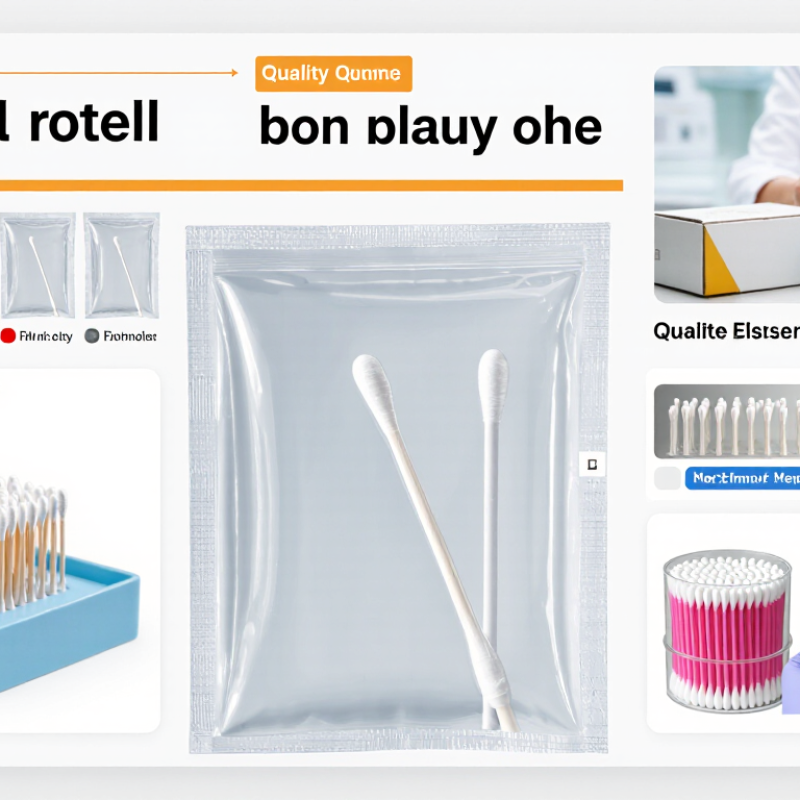
Individually packaged cotton swabs contain one swab inside a sealed paper, film, or paper-plastic sleeve. The package protects the tip before use. Clean handling matters. This format supports clinics, beauty services, travel kits, laboratories, and retail applications requiring controlled dispensing.
Grand View Research estimated the global cotton swabs market at about USD 1.5 billion in 2023. Its forecast also indicates continued growth through 2030. Buyers are therefore comparing more than unit prices. They examine fiber shedding, shaft strength, seal integrity, batch coding, and packaging consistency. The WHO Global Report on Infection Prevention and Control 2024 states that effective infection-prevention programs can reduce healthcare-associated infections by up to 70%. Individually sealed swabs cannot provide that result alone. They can, however, reduce unnecessary handling between storage and application.
Reliable sourcing from China requires practical verification. Request samples from several production lots. Check whether the cotton tip stays attached during light twisting. Confirm whether the product is sterile, clean, or neither. Sterility should be supported by validation records, not attractive wording. This distinction is often overlooked. Packaging can also increase waste and shipping volume, especially for high-volume buyers. That trade-off deserves calculation before purchase. A capable supplier should provide material specifications, inspection records, and clear production traceability. Small details matter.
What Individually Packaged Cotton Swabs Are and Why Buyers Choose Them
Individually packaged cotton swabs are single-use swabs sealed in separate paper or plastic pouches. The chart summarizes common buyer-relevant specifications found across medical, personal-care, and sampling applications. Exact dimensions and shelf life vary by supplier, so buyers should confirm the technical datasheet before ordering.
Key Features of China-Made Individually Packaged Cotton Swabs
China-made individually packaged cotton swabs are designed for clean, convenient, single-use handling. Each swab sits inside a sealed paper or film wrapper. This format helps protect the cotton tip from dust, moisture, and repeated contact during transport. It also suits clinics, beauty counters, travel kits, and first-aid cabinets.
The cotton tip should feel soft but remain firmly attached. Buyers can check absorbency by pressing it lightly against a clean surface. Loose fibers are a warning sign. Stems may use paper, plastic, or other specified materials, depending on the intended application. A smooth stem improves comfort, while consistent length supports automatic packing and easy storage. Pack dimensions matter too. A narrow wrapper fits dispensers, while wider seals are easier to open with gloves.
Quality control should cover wrapper sealing, tip attachment, lint release, dimensions, and lot identification. Ask for production records and test reports that match the actual shipment. Sealed does not always mean sterile. That point deserves attention. Sterility claims require appropriate validation and documented processing. Buyers should also test samples after transport, because heat and compression can weaken seals. China offers strong manufacturing capacity, but specifications still need careful review. One practical improvement is adding a clear opening notch. Some packages remain difficult to tear, especially with damp hands. Reliable sourcing depends on testing, traceability, and honest communication about product limits.
Ordering, Quality Control, and Import Considerations for Buyers
When buyers source individually packaged cotton swabs from China, the sample stage should feel practical, not ceremonial. Ask for cotton material, stick composition, pouch dimensions, and monthly capacity. Clear specifications prevent vague quotations. Request samples from different production lots. One sample can hide variation. Check each seal by rubbing the pouch gently between your fingers. Inspect loose fibers, odor, stick straightness, and cotton attachment. Keep unopened samples for later comparison. Photographs rarely reveal weak sealing. Not every defect appears immediately.
A written quality plan makes factory discussions more reliable. Define sampling levels, defect limits, print tolerance, pouch seal strength, and carton quantity before production. A third-party inspection can verify counts and packaging before shipment. Ask for batch records and material declarations. For medical or cosmetic use, confirm local documentation with a qualified compliance professional. Do not assume one certificate covers every market. That assumption can become expensive. Pre-shipment checks should include carton-drop observations, barcode scans, and random pouch opening. Record photos, lot numbers, and corrective actions.
For import planning, confirm HS classification with a customs broker. Classification may depend on construction and intended use. Review invoices, packing lists, transport documents, origin details, and destination labeling rules. Calculate more than the unit price. Include tooling, inspection, freight, duties, storage, and damaged-carton allowances. Moisture control matters. Ask about lead times around factory holidays, then add a buffer. My planning has sometimes trusted promised dates too much. A written delay procedure would have helped. Keep communication in one approval file with dated revisions and signed specifications.
 3606 E. Chapman Ave, Orange, CA 92869
 Contact us: 714-743-4914