Best Facial Peels for Glowing Skin in 2026?
In the quest for glowing skin, facial peels have emerged as a popular choice for many. These treatments help remove dead skin cells and reveal a fresh complexion. Research indicates that they can boost collagen production and enhance skin texture. However, not all facial peels are created equal.
Many people may choose strong chemical peels, believing they will achieve immediate results. But these can lead to redness and irritation. Finding the right balance is essential. Gentle peels might be more effective for maintaining long-term skin health. It's not just about chasing perfection; it’s about nurturing your skin.
Looking ahead to 2026, the landscape of facial peels is evolving. New ingredients and techniques are on the rise. Consideration of your skin type and needs is crucial. You may need to experiment to find what works best. Embrace the journey to healthy skin, and don't shy away from learning what your skin truly needs.
Best Types of Facial Peels for Glowing Skin in 2026
Facial peels are an effective way to achieve glowing skin. In 2026, several types stand out for their unique benefits. Chemical peels, for instance, use acids to exfoliate the skin. They range from mild to deep, addressing various skin concerns. Gentle options can rejuvenate without the downtime, while stronger treatments require more recovery.
Enzyme peels are another great choice. They rely on natural ingredients that break down dead skin. This type often appeals to sensitive skin types. The results are visible and uplifting. However, these may not work for everyone. Individual skin response varies, and sometimes irritation occurs. Always test on a small area first.
Physical exfoliants, such as scrubs, offer immediate improvement. But overuse can harm the skin barrier. Finding balance is key. Be mindful of your skin's needs. Listen to its reactions. Consider consulting a professional for personalized advice. Each skin journey is unique and requires thoughtful care.
Key Ingredients to Look for in Facial Peels
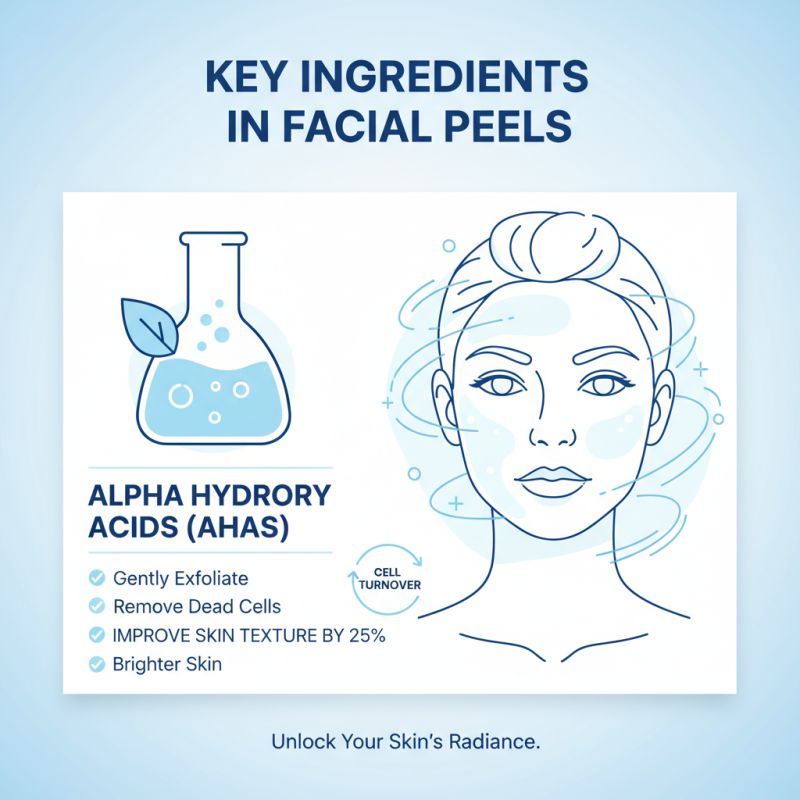
Facial peels can transform your skin's appearance, revealing a luminous glow. When considering options, focus on key ingredients. Alpha hydroxy acids (AHAs) are popular choices. They gently exfoliate the skin, removing dead cells. Studies show that AHAs can improve skin texture by 25%. This makes them an excellent choice for those seeking brighter skin.
Beta hydroxy acids (BHAs), particularly salicylic acid, can target oily skin. They penetrate deep into pores, reducing acne and blackheads. Research indicates that BHAs can decrease oiliness by 50% in just a month. Their effectiveness makes them a staple in many skincare routines.
Tips: Always test a small patch before applying new products. Overusing peels can lead to irritation. Start with lower concentrations and gradually increase. Hydration is essential after peeling; consider applying soothing serums. For best results, combine treatments with sun protection. Harmful UV rays can counteract the benefits of peels. Always reflect on how your skin responds, adjusting your routine as needed.
Safety Tips and Precautions for Facial Peels
Facial peels can enhance skin texture and tone but must be approached with caution.
Proper precautions are essential for safety and effectiveness.
Understanding your skin type helps in choosing the right peel. Peels that are too harsh can lead to irritation or burns.
Always conduct a patch test before full application to avoid unexpected reactions.
Tips: Hydrate your skin well before undergoing a peel. Keep it moisturized.
Avoid sun exposure for at least a week before your treatment.
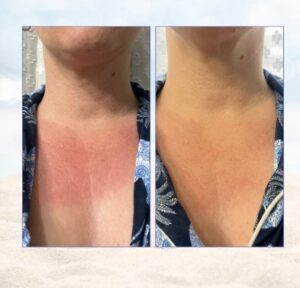
Sunburned skin is more susceptible to damage.
Post-peel, limit activities that cause sweating and avoid harsh products.
Understanding potential side effects is crucial. Redness and peeling can occur.
These effects might last longer than anticipated. Listen to your skin's signals.
If irritation persists, consult a professional. Adjust your skincare routine as needed.
Each experience offers a chance for learning and growth.
How to Choose the Right Facial Peel for Your Skin Type
Choosing the right facial peel for your skin type is crucial. Different peels target different skin concerns. A superficial peel is great for dullness. Meanwhile, deeper peels can help with scars. Understand your skin's needs before selecting.
For oily skin, glycolic acid peels can be beneficial. They remove excess oil and clear pores. If you have sensitive skin, a gentle lactic acid or enzyme peel may be better. These are less irritating and effective at hydrating without redness.
Here are some tips to remember: Always patch-test a new product. Waiting 24 hours before full application can save you from adverse reactions. Consider your skin’s sensitivity before selecting a peel’s strength. Avoid peels after sun exposure or if you’ve had recent treatments. Each skin type is unique, and what works for one may not work for another. Embrace the learning curve.
Best Facial Peels for Glowing Skin in 2026
| Type of Peel |
Best For |
Active Ingredients |
Duration of Effect |
Skin Sensitivity |
| Glycolic Peel |
Dull Skin |
Glycolic Acid |
2-4 Weeks |
Low |
| Lactic Peel |
Dry Skin |
Lactic Acid |
3-6 Weeks |
Low to Moderate |
| Salicylic Peel |
Oily/Acne-Prone Skin |
Salicylic Acid |
2-4 Weeks |
Moderate |
| TCA Peel |
Fine Lines |
Trichloroacetic Acid |
6-12 Weeks |
High |
| Enzyme Peel |
Sensitive Skin |
Papaya or Pumpkin Enzymes |
1-2 Weeks |
Very Low |
Post-Peel Skincare Routine for Optimal Glow
Post-peel skincare is crucial for achieving that coveted glow. After a facial peel, the skin may feel sensitive and appear red. This is normal, but it requires careful handling. According to a 2023 skincare survey, over 70% of users reported improved skin texture and radiance with proper post-peel care. Essential steps include hydration and protection.
Start with a gentle cleanser. Look for hydrating ingredients like hyaluronic acid. Cleansing helps remove dead skin without irritation. Next, apply a nourishing serum. Products rich in vitamins C and E can boost healing. Studies show these vitamins accelerate skin recovery, enhancing brightness. Remember to use a broad-spectrum sunscreen daily. Post-peel skin is more vulnerable to sun damage. In fact, 61% of dermatologists recommend sunscreen as a non-negotiable step.
Many people overlook the importance of moisturizer. Hydration can soothe inflammation and promote healing. A thick layer at night can trap moisture. But, be cautious! Over-applying can lead to breakouts. Everyone's skin reacts differently, so it's vital to listen to your skin’s needs. This routine promotes optimal glow and showcases the true benefits of the peel.
 3606 E. Chapman Ave, Orange, CA 92869
 Contact us: 714-743-4914