What Are the 2026 Top Healthy Skin Care Products?
The 2026 skincare market is moving beyond attractive packaging and dramatic claims. Consumers increasingly want measurable results, tolerable formulas, and evidence they can understand. McKinsey’s The Beauty Market in 2023 projected global beauty growth of about 6% annually through 2027, showing why product choices are becoming more crowded and competitive. NIQ’s State of Beauty research also highlights stronger consumer interest in product efficacy, ingredient transparency, and value.
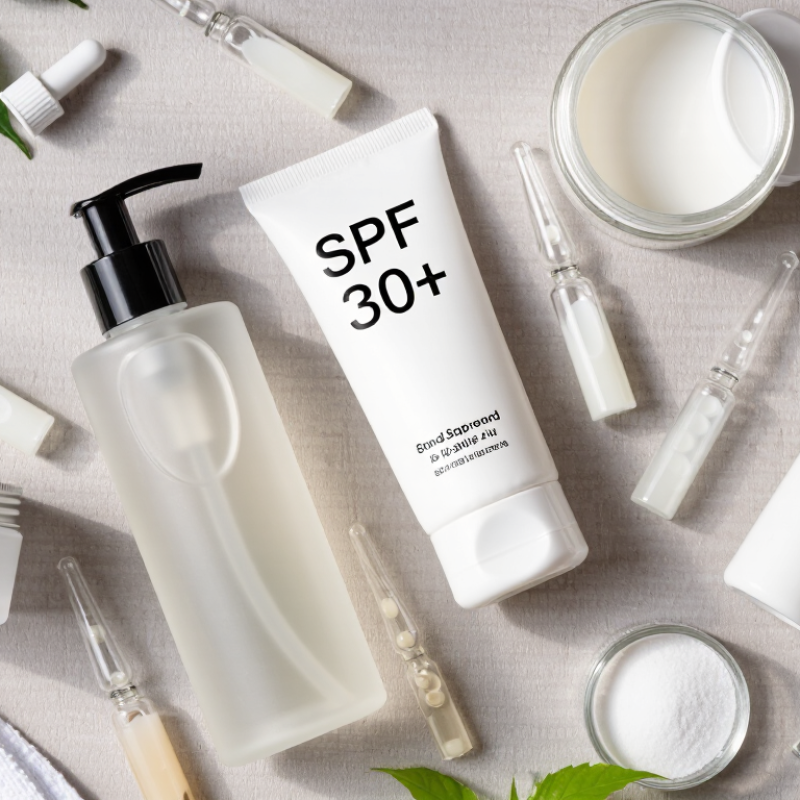
Healthy skin rarely comes from one expensive serum. It usually begins with a gentle cleanser, a barrier-supporting moisturizer, and daily broad-spectrum sunscreen. The American Academy of Dermatology recommends SPF 30 or higher, especially for regular outdoor exposure. That guidance gives sunscreen a stronger foundation than influencer popularity. Look for familiar ingredients, such as ceramides, glycerin, niacinamide, and zinc oxide, while considering personal sensitivity and medical advice.
Circana’s beauty industry reporting continues to track demand for clinically positioned skincare, including products designed for hydration, brightening, and sensitive skin. However, “clinical” does not automatically mean better. Not every viral serum deserves a place. A 2026 top-products guide should examine ingredient evidence, packaging hygiene, testing standards, user experience, and realistic claims. A pump bottle may protect a formula better than an open jar. A fragrance-free lotion may feel less exciting, yet suit reactive skin more comfortably. Results also vary with age, climate, genetics, and consistency. This guide will compare promising products through that practical lens, while acknowledging an uncomfortable truth: even expert recommendations can change when stronger evidence appears.
What Defines a Healthy Skin Care Product in 2026? (AAD, FDA)
What Are the 2026 Top Healthy Skin Care Products?
A healthy skin care product begins with evidence, not attractive packaging. The American Academy of Dermatology states that one in five Americans may develop skin cancer during their lifetime. Therefore, daily broad-spectrum sunscreen remains essential. The FDA requires sunscreen products to meet testing rules for SPF and broad-spectrum protection. Look for SPF 30 or higher, clear directions, and realistic water-resistance claims. “Natural” does not automatically mean safer.
Healthy formulas should support the skin barrier without excessive fragrance, harsh alcohol, or unnecessary exfoliation. A 2024 McKinsey beauty market analysis estimated that skincare represents about 40% of the global beauty market. That growth increases choice, but also creates confusion.
Product labels can sound scientific while offering weak evidence. My practical test is simple: apply a small amount, observe redness or stinging, and stop if discomfort continues. Patch testing feels inconvenient.
The FDA also expects ingredient lists and safety information to be presented accurately, although cosmetic products are not approved like medicines before sale. This difference matters. A product can be legal yet unsuitable for sensitive skin. The AAD recommends gentle cleansing, moisturizing, and sun protection as core habits. In 2026, the healthiest routine may look less impressive: fewer products, consistent use, and claims supported by testing rather than promises.
Evidence-Based Cleansers for Maintaining Skin’s Natural pH (AAD)
What Are the 2026 Top Healthy Skin Care Products?
Evidence-Based Cleansers for Maintaining Skin’s Natural pH
Healthy cleansing begins with restraint, not a stronger foam. The American Academy of Dermatology recommends gentle, non-abrasive cleansers, lukewarm water, and fingertip application. It also advises washing twice daily and after heavy sweating. Overwashing can increase tightness, redness, and irritation, especially for dry or sensitive skin.
A 2023 review in the International Journal of Cosmetic Science places healthy facial skin’s surface pH near 4.5–5.5. This mildly acidic environment supports the barrier and normal microbial balance. A cleanser near that range may reduce disruption, but pH alone does not prove product quality. Surfactant strength, fragrance, preservatives, and rinsing time also matter. That detail is easy to overlook.
In practice, a good cleanser should leave skin comfortable within minutes. Persistent stinging is useful feedback, not something to tolerate. Choose a fragrance-free formula when sensitivity is common, and avoid rough particles or aggressive scrubbing. The AAD notes that moisturizer should follow cleansing, particularly when the skin feels dry. However, personal testing still matters. Even a pH-balanced cleanser can feel unsuitable after exercise, shaving, or cold-weather exposure. A simple two-week routine may reveal more than a crowded bathroom shelf. Industry forecasts often emphasize barrier care, yet marketing language can move faster than clinical evidence. The safer standard remains simple: gentle cleansing, limited friction, and careful observation.
Targeted Actives: Retinoids, Niacinamide, and Vitamin C by Evidence (DermNet)
What Are the 2026 Top Healthy Skin Care Products?
Healthy skin care in 2026 is less about crowded shelves and more about evidence-based active ingredients. DermNet identifies retinoids as important topical treatments for acne, uneven texture, and photoaging. They encourage faster skin renewal. Start with a pea-sized amount at night, two times weekly. Apply it to completely dry skin. Irritation is common at first.
Niacinamide offers a gentler option for many routines. It may support the skin barrier, reduce excess oil, and soften the appearance of redness. A lower concentration can be easier for sensitive skin. Look for dryness, stinging, or new bumps. These signs deserve attention. My practical mistake was adding several actives together. Skin usually prefers patience.
Vitamin C can help protect against oxidative stress and support brighter-looking skin. Its performance depends on the formula, storage, and concentration. Keep it away from heat and strong light. Use sunscreen during the day. Vitamin C is not a substitute for sun protection. Evidence is promising, but results differ between products and skin types.
A simple routine often works best: gentle cleanser, one active, moisturizer, and daytime sunscreen. Introduce only one ingredient at a time. Patch testing remains sensible, although it cannot predict every reaction. Retinoids require extra medical guidance during pregnancy or when planning pregnancy. A dermatologist can adjust treatment for eczema, persistent acne, or severe irritation. Shortcuts rarely improve the evidence.
2026 Healthy Skin Care Actives: Evidence-Aligned Focus Areas
This chart summarizes skin-care roles described in dermatology references for topical retinoids, niacinamide, and vitamin C.
A value of 1 indicates that the active is commonly discussed for that focus area; 0 indicates that the focus is not a primary established use in this comparison.
The chart is not a head-to-head efficacy ranking.
Reference: DermNet dermatology topics on topical retinoids, niacinamide, and vitamin C. Individual results depend on formulation, concentration, skin type, and consistent sunscreen use.
 3606 E. Chapman Ave, Orange, CA 92869
 Contact us: 714-743-4914